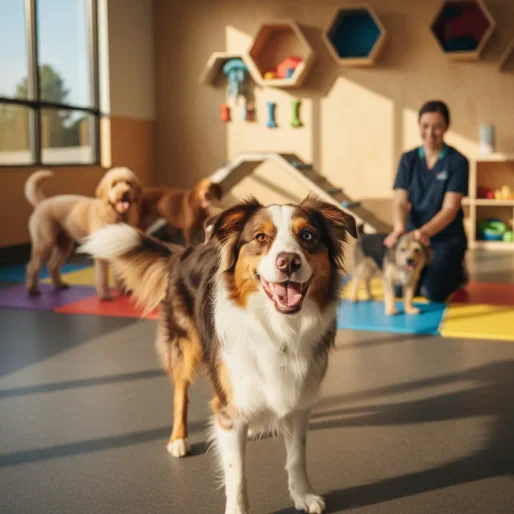
A complete checklist covering temperament assessment, trial sessions, vaccination requirements, and what to pack for your dog's first daycare visit. Follow these steps to set your dog up for a safe, stress free experience.
Key Takeaways
- Most reputable daycares require proof of core vaccinations (rabies, distemper, bordetella) plus a negative fecal test before enrollment.
- A temperament assessment typically takes 30 to 60 minutes and evaluates how your dog responds to other dogs, handlers, and new environments.
- Trial or half day sessions help dogs acclimate gradually and reduce the risk of separation anxiety or overstimulation.
- Packing the right essentials (medication, familiar comfort items, emergency contacts) prevents common first day problems.
- Seasonal considerations, especially parasite prevention and heat safety, affect daycare readiness year round.
Why Daycare Preparation Matters
Doggy daycare can be a wonderful source of socialization, mental stimulation, and physical exercise. However, placing an unprepared dog in a group setting can trigger stress responses, fear based reactivity, or even illness if vaccination protocols have not been followed. Professional consensus emphasizes that thorough preparation is the single most important factor in a successful daycare experience. The checklist below walks through every stage, from initial health checks to what goes in the bag on day one.
Step 1: Confirm Vaccination Requirements
Core Vaccines
The American Veterinary Medical Association (AVMA) classifies certain vaccines as core, meaning they are recommended for all dogs regardless of lifestyle. Most daycare facilities require documentation of the following before a dog can attend:
- Rabies: Required by law in most jurisdictions. Proof of current vaccination (1 year or 3 year, depending on the product) is almost universally mandatory.
- Distemper/Parvovirus (DHPP or DA2PP): This combination vaccine protects against highly contagious and potentially fatal diseases. Puppies typically complete their series by 16 weeks of age, with boosters as recommended by a veterinarian.
- Bordetella (kennel cough): While sometimes classified as non core, the vast majority of daycares treat this as mandatory because of how easily the bacterium spreads in group settings. Many facilities require vaccination at least 5 to 7 days before enrollment to allow immunity to develop.
Additional Requirements
Some facilities also require:
- Canine influenza (H3N2 and H3N8): Increasingly requested, especially in regions where outbreaks have occurred.
- Leptospirosis: More common in areas with standing water or wildlife exposure.
- Negative fecal test: Typically within the last 6 to 12 months, confirming the dog is free of intestinal parasites.
Owners should request the specific vaccination policy from their chosen daycare well in advance. Veterinary records usually need to be sent directly from the clinic or uploaded to the facility's system. For broader parasite protection guidance, see Spring Parasite Prevention: What New Pet Owners Get Wrong.
Step 2: Assess Your Dog's Temperament at Home
Before scheduling a formal daycare evaluation, it helps to honestly assess a dog's social readiness. Not every dog is suited to a daycare environment, and recognizing this early can prevent stressful experiences.
Signs a Dog May Thrive at Daycare
- Approaches unfamiliar dogs with relaxed body language (soft eyes, loose tail wag, play bows).
- Recovers quickly from startling noises or new situations.
- Enjoys interactive play and does not guard resources (toys, food, resting spots) aggressively.
- Has a baseline of basic obedience: responding to name, basic recall, and leash manners.
Signs That Suggest Caution
- Excessive barking, lunging, or stiffening around other dogs.
- History of fear based aggression or bite incidents.
- Severe separation anxiety that worsens in unfamiliar environments.
- Recent adoption (professionals typically recommend waiting at least 2 to 4 weeks for a new dog to decompress before introducing group settings).
Dogs that struggle with reactivity or fear may benefit from structured activities and confidence building before attempting group daycare. Exercises that build body awareness and coordination can be particularly helpful; see Canine Proprioception Exercises for Balance and Safety for ideas.
Step 3: The Facility Temperament Assessment
Reputable daycares conduct their own behavioral evaluations before accepting a new dog. This is a positive sign of a well managed facility. Here is what to expect:
What Happens During an Assessment
- Solo exploration (5 to 10 minutes): The dog is allowed to explore the play area without other dogs present. Staff observe confidence levels, stress signals, and willingness to engage with handlers.
- Introduction to a calm dog (10 to 15 minutes): A well socialized, neutral temperament dog is introduced. Staff watch for appropriate greeting behaviors, play style, and any signs of fear or aggression.
- Small group introduction (10 to 20 minutes): If the one on one introduction goes well, the dog may be introduced to a small group. Staff evaluate group dynamics and how the new dog navigates social pressure.
- Handler interaction: Staff test the dog's comfort with being touched, guided, and separated from play. This is important because handlers need to be able to intervene safely throughout the day.
Red Flags in a Facility
Be cautious if a daycare does not require any form of temperament screening. Other warning signs include overcrowded play areas, staff who seem unfamiliar with canine body language, and a reluctance to let owners tour the facility beforehand.
Step 4: Schedule Trial Sessions
Even after a successful temperament assessment, jumping straight into a full day can overwhelm many dogs. A graduated approach is recommended.
Suggested Trial Schedule
- Session 1 (half day, 3 to 4 hours): Drop off in the morning when energy levels are highest. This allows the dog to experience the busiest part of the day in a shorter window.
- Session 2 (half day, 4 to 5 hours): Extend slightly. Ask staff for a report on nap patterns, eating, and social interactions.
- Session 3 (full day): If the first two sessions go well, try a full day. Monitor the dog's behavior at home afterward: excessive fatigue, digestive upset, or behavioral changes may indicate the dog needs more gradual adjustment.
What to Ask After Each Trial
- Did the dog eat and drink normally?
- Did the dog rest or nap during quiet time?
- How did the dog interact with other dogs and staff?
- Were there any incidents of resource guarding, excessive mounting, or fearful hiding?
Facilities that provide daily report cards (written or digital) tend to offer better transparency and communication.
Step 5: What to Pack for Day One
Arriving well prepared reduces stress for both the dog and the daycare staff. Use this packing checklist:
Essential Items
- Vaccination records: A printed or digital copy, even if already submitted. Backup copies prevent delays at check in.
- Completed enrollment forms: Emergency contacts, veterinarian details, and authorization for emergency treatment.
- Current medications: In original packaging with written dosage instructions. Most daycares require a veterinary authorization form to administer medications.
- Collar with ID tag: Even in an enclosed facility, proper identification is a safety essential. For added security, consider a GPS tracker on the collar.
- Leash: For safe transitions between car, lobby, and play area.
Recommended (Check Facility Policy)
- Familiar comfort item: A small blanket or worn t shirt with the owner's scent can help anxious dogs settle. Avoid items the dog guards aggressively.
- Food and treats: If the dog will be there during mealtime, pre portion food in a labeled bag. Note any allergies clearly. For warm weather nutrition guidance, Feeding Dogs in Extreme Heat: A Nutrition Guide offers helpful advice.
- Special harness or anxiety wrap: If the dog uses one, label it with the dog's name.
What NOT to Pack
- Retractable leashes (safety hazard in group settings).
- Rawhide chews or small toys that could become choking hazards.
- Prong collars, choke chains, or shock collars (most daycares prohibit these).
- Valuable or irreplaceable items.
Seasonal Considerations for Daycare Readiness
Spring and Summer
- Flea, tick, and heartworm prevention: Must be current. Daycares with outdoor play areas may have additional requirements during peak parasite season.
- Heat safety: Ask the facility about their heat protocol: when outdoor play is restricted, access to shade and water, and signs of heat stress they monitor for.
- Allergies: Seasonal pollen can exacerbate skin conditions. Inform staff if a dog is on allergy medication or has known environmental triggers.
Autumn and Winter
- Shorter daylight hours: Dogs who attend daycare after a schedule change may arrive or depart in darkness. Reflective gear on collars or harnesses adds visibility.
- Cold weather protocols: Facilities in colder climates should have indoor alternatives when temperatures drop. Short coated, small, or senior dogs may need a jacket for outdoor transitions.
- Holiday closures: Plan ahead for changes in daycare schedules during holiday periods.
Emergency Preparedness Checklist
Ensure the daycare has the following information on file, and keep your own copy readily accessible:
- Primary veterinarian: Name, clinic address, phone number.
- Emergency veterinary clinic: The nearest 24 hour facility, in case an incident occurs outside regular vet hours.
- ASPCA Animal Poison Control Center: (888) 426 4435. There is typically a consultation fee, but this is the most recognized poison hotline for animals in the United States.
- Pet Poison Helpline: (855) 764 7661. An alternative 24/7 resource.
- Owner emergency contacts: At least two phone numbers where someone can be reached during daycare hours.
- Known medical conditions: Seizure disorders, diabetes, severe allergies, or orthopedic limitations should be documented in writing.
For owners who also use pet sitting services, understanding What Pet Sitting Insurance Should Cover provides additional peace of mind.
After Daycare: What to Watch For
The first few daycare sessions can be physically and mentally tiring. The following are normal in the first week or two:
- Increased sleeping at home.
- Mild loose stool from excitement or stress.
- Temporary increase in water consumption.
When to Consult a Veterinarian
- Persistent vomiting or diarrhea lasting more than 24 hours.
- Coughing, nasal discharge, or lethargy (possible kennel cough or canine influenza, even in vaccinated dogs).
- Limping, swelling, or visible wounds.
- Significant behavioral changes: aggression, extreme fearfulness, or refusal to eat.
A post daycare cool down routine can help dogs transition back to home life. Gentle massage techniques are one option; learn more at The Science Behind Canine Massage Therapy.
Printable Summary: First Day at Daycare Checklist
- ☐ Vaccination records confirmed and submitted.
- ☐ Bordetella vaccine given at least 5 to 7 days before start date.
- ☐ Fecal test current (within last 6 to 12 months).
- ☐ Parasite prevention up to date.
- ☐ Home temperament self assessment completed.
- ☐ Facility tour and temperament evaluation scheduled.
- ☐ Trial half day session booked.
- ☐ Enrollment forms and emergency contacts submitted.
- ☐ Medications packed with written instructions.
- ☐ Collar with ID tag (and optional GPS tracker) secured.
- ☐ Pre portioned food in labeled bag (if needed).
- ☐ Comfort item packed (facility permitting).
- ☐ Retractable leash and prohibited items left at home.
- ☐ Emergency vet clinic phone number saved in phone.
- ☐ Post daycare monitoring plan in place.
Frequently Asked Questions
What vaccinations does my dog need for daycare? ↓
How long does a daycare temperament assessment take? ↓
What should I pack for my dog's first day at daycare? ↓
How do I know if my dog is not suited for daycare? ↓
What should I watch for after my dog's first daycare session? ↓

Tom Ashford
Pet Safety & Home Consultant
Pet safety and home-proofing specialist — systematic hazard prevention and emergency preparedness for pet owners.
Content Disclosure
This article was created using state-of-the-art AI models with human editorial oversight. It is intended for informational and entertainment purposes only and does not constitute veterinary medical advice. Always consult a licensed veterinarian for your pet's specific health needs. Learn more about our process.