A veterinary science breakdown of AI pet health screening tools in 2026, from photo diagnosis apps to wearable monitors and telehealth platforms. Each category is evaluated for accuracy, veterinary endorsement, and real world reliability.
Key Takeaways
- AI pet health tools fall into four main categories: photo based diagnosis, symptom checkers, wearable monitors, and telehealth platforms.
- No AI tool in veterinary medicine currently undergoes premarket regulatory screening comparable to FDA oversight for human medical devices.
- Wearable monitors with continuous data collection have shown the strongest clinical validation so far, with some products backed by over a decade of peer reviewed study.
- Photo based diagnosis tools are useful for early screening but carry meaningful risks of false positives and false negatives.
- Telehealth platforms staffed by licensed veterinarians offer the highest reliability for remote consultations, but cannot replace hands on exams for many conditions.
- Professional consensus strongly recommends using AI tools as a supplement to, never a substitute for, in person veterinary care.
How AI Pet Health Screening Actually Works
Artificial intelligence tools for pet health rely on machine learning models trained on datasets of clinical images, symptom logs, vital sign recordings, and veterinary medical records. These models identify patterns, for example correlating a photograph of a skin lesion with a database of dermatological conditions, or flagging a drop in a dog's resting respiratory rate as a potential early warning sign of cardiac compromise.
The critical difference between these tools and a veterinary examination is context. A licensed veterinarian integrates visual findings with palpation, auscultation, patient history, bloodwork, and imaging. AI tools, by contrast, work with a narrower slice of information. That distinction matters enormously when evaluating accuracy claims.
According to the American Veterinary Medical Association (AVMA), no premarket screening of AI tools is currently required in veterinary medicine, unlike the regulatory frameworks governing human medical devices. The American College of Veterinary Radiology's AI committee has not yet endorsed any AI radiographic software and has urged vendors to make outputs explainable and editable.
Category 1: Photo Based Diagnosis Tools
What They Do
These apps allow owners to photograph a skin condition, eye abnormality, wound, lump, stool sample, or urine patch. The image is processed by a convolutional neural network trained on veterinary dermatology, ophthalmology, or clinical pathology datasets. Within seconds, the app returns a list of possible conditions ranked by probability.
Notable Platforms in 2026
Several platforms are active in this space. TTcare uses real time image analysis to detect clinical abnormalities and provide condition specific insights. DogMD offers photo analysis for skin issues, lumps, and wounds alongside breed specific health guidance. Petvise and LitterLens (from SiiPet) focus on detecting early signs of skin conditions, eye problems, and urinary abnormalities through image analysis.
Accuracy and Limitations
Photo based tools are strongest when evaluating well lit, clearly framed images of common dermatological presentations. However, reliability drops significantly with poor image quality, unusual lighting, dark coated animals, or conditions that look similar on the surface but differ histologically.
Veterinary professionals have raised concerns about both false positives (leading to unnecessary anxiety and potentially unneeded procedures) and false negatives (providing false reassurance when a condition genuinely requires attention). In surveys of veterinary professionals, roughly 70% cite reliability and accuracy as their top concern regarding AI diagnostic tools.
Veterinary endorsement level: Low to moderate. These tools are best viewed as screening aids, not diagnostic instruments. They can prompt an owner to seek veterinary attention sooner, which is their primary value.
Category 2: AI Symptom Checkers
What They Do
Symptom checkers use decision tree logic or natural language processing to guide owners through a series of questions about their pet's clinical signs: appetite changes, lethargy, vomiting frequency, stool consistency, breathing rate, and more. The output is typically a triage recommendation ranging from "monitor at home" to "seek emergency care."
Notable Platforms in 2026
Petriage combines asynchronous and live chat with a symptom analysis triage tool, allowing clients to provide images, text, and video clips to a veterinarian. HealiPet offers a free AI powered symptom checker for dogs and cats. The Furbo AI Health Checker assists with symptoms related to injuries, stool abnormalities, vomiting, and general concerns, including guidance on when a veterinary visit is warranted.
Accuracy and Limitations
Symptom checkers perform best when the presenting signs are straightforward and well documented: acute vomiting with a known dietary indiscretion, for instance. They struggle with vague or overlapping presentations, multi system disease, and conditions where physical examination findings (heart murmur grade, abdominal pain on palpation, lymph node size) are essential for differentiation.
A key advantage is triage. Owners frequently underestimate the urgency of signs like laboured breathing in cats or pale gum colour in dogs. A well designed symptom checker can flag these as emergencies and potentially save lives by reducing delay to treatment. For non urgent concerns, these tools can help owners collect and organize observations before a veterinary appointment, improving the quality of the clinical history provided to the veterinarian.
Veterinary endorsement level: Moderate. The triage function is genuinely useful. However, the absence of physical examination data means these tools cannot reliably differentiate between conditions that share similar owner reported signs.
Category 3: Wearable Health Monitors
What They Do
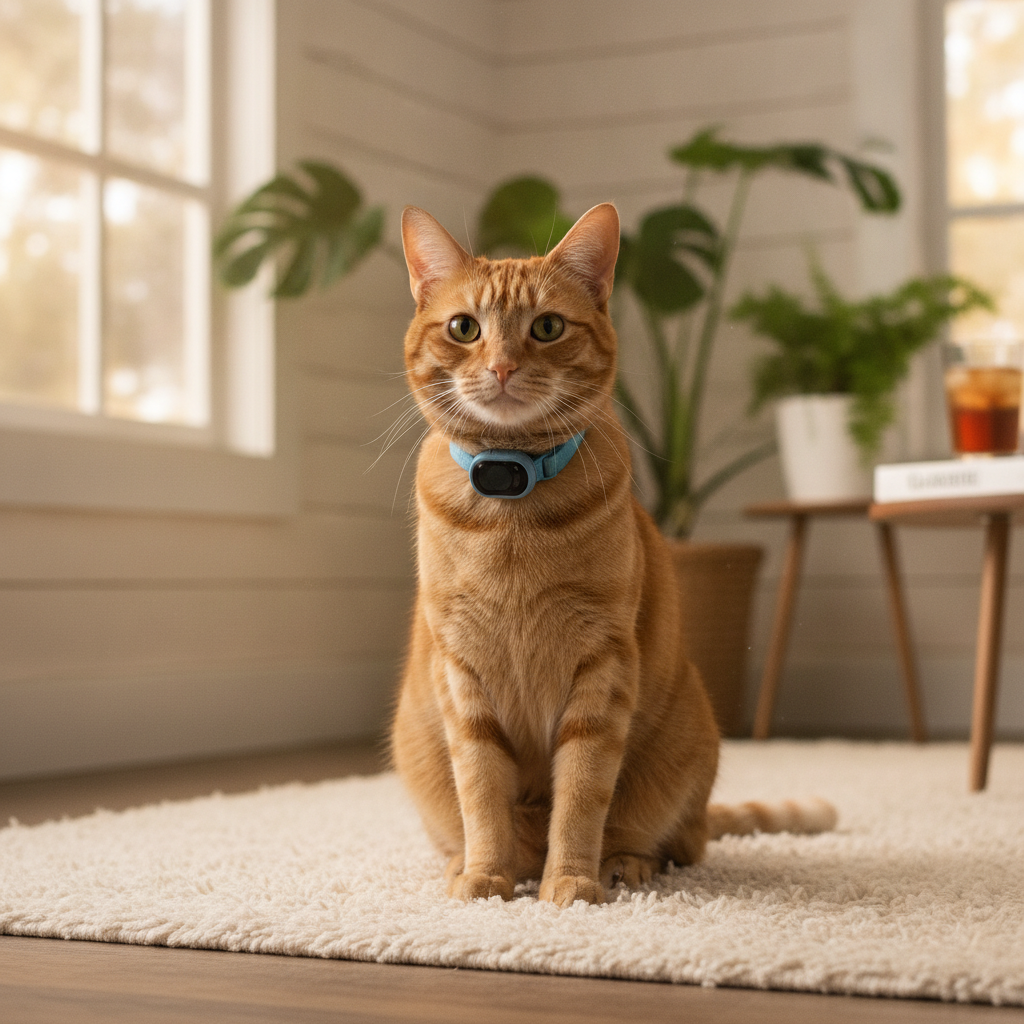
Smart collars and clip on devices continuously track biometric data: resting respiratory rate, heart rate variability, temperature, activity levels, sleep quality, caloric expenditure, and posture. Algorithms detect deviations from the individual animal's baseline and alert the owner or veterinarian when changes exceed preset thresholds.
Notable Platforms in 2026
PetPace (currently on V3.0) offers continuous clinical grade vital sign monitoring for dogs and cats, with direct data sharing to licensed veterinarians. The product is backed by over a decade of clinical research at multiple veterinary institutions. Maven provides 24/7 health tracking with sensitivity to micro shifts in activity, sleep, and vital signs, with the ability to flag potential urinary or digestive issues days before clinical signs become obvious to owners.
In the specialized monitoring space, the GluCurve Pet Continuous Glucose Monitor (set for relaunch in 2026) has shown accuracy comparable to the blood glucose meters most commonly used in veterinary practice, potentially transforming diabetes management in cats and dogs.
Accuracy and Clinical Validation
Wearable monitors represent the most clinically validated category of AI pet health tools. The continuous data collection model means algorithms can learn each animal's individual baseline, making deviation detection more reliable than snapshot assessments. Published research has demonstrated that devices like the PetPace collar show moderate to strong correlation with established clinical monitors for activity measurement, and pilot studies have explored their utility in detecting conditions such as osteoarthritis.
The primary limitation is that wearable data, while valuable, still requires interpretation. A drop in activity could indicate pain, illness, depression, or simply a change in household routine. Veterinary expertise remains essential for contextualizing the data.
For owners interested in other technology for pet safety and tracking, the principles of data reliability also apply to GPS pet trackers, where coverage and battery life affect real world usefulness.
Veterinary endorsement level: Moderate to high. This is the category with the strongest evidence base, particularly for chronic disease monitoring and post surgical recovery tracking.
Category 4: Veterinary Telehealth Platforms
What They Do
Telehealth platforms connect pet owners with licensed veterinarians via video call, chat, or asynchronous messaging. Some platforms employ AI triage tools as a front end, routing cases to the appropriate level of care. Others focus purely on connecting owners with veterinary professionals for consultation, follow up care, or prescription management.
Notable Platforms in 2026
Dutch offers subscription based online veterinary care with unlimited video calls and messaging for up to five pets. Pawp provides 24/7 access through a membership model supporting up to six pets. TelaVets operates on a pay per consultation model for owners who need occasional guidance. On the practice integration side, Balto (by ANI.ML) provides rapid remote access to board certified veterinary specialists across multiple disciplines.
Accuracy and Reliability
Telehealth platforms staffed by licensed veterinarians are fundamentally different from the other three categories because the diagnostic reasoning comes from a trained professional, not solely from an algorithm. This makes them the most reliable option for remote consultations, particularly for:
- Behavioural concerns and training related queries
- Dietary and nutritional guidance (relevant for owners navigating topics like senior cat nutrition or guinea pig dietary needs)
- Medication management and refill consultations
- Post operative follow up when physical examination is not strictly necessary
- Triage of acute concerns to determine whether emergency care is needed
The veterinary telemedicine market reached approximately USD 282 million in 2025 and is projected to approach USD 673 million by 2030, reflecting rapid adoption by both pet owners and veterinary practices.
Veterinary endorsement level: High, with important caveats. Telehealth cannot replace physical examination, diagnostic imaging, or laboratory testing. Regulations around the veterinarian client patient relationship (VCPR) vary by jurisdiction, and some regions still require an in person examination before a telehealth relationship can be established.
Ranking Summary: Accuracy, Endorsement, and Reliability
| Category | Accuracy | Vet Endorsement | Reliability |
|---|---|---|---|
| Wearable Monitors | Moderate to High | Moderate to High | High |
| Telehealth Platforms | High (human driven) | High | High |
| Symptom Checkers | Low to Moderate | Moderate | Moderate |
| Photo Diagnosis | Low to Moderate | Low to Moderate | Variable |
When AI Is Helpful and When It Falls Short
Best Use Cases for AI Pet Health Tools
- Early detection prompts: Noticing a skin change, limping pattern, or appetite shift earlier than might otherwise occur
- Chronic disease monitoring: Tracking respiratory rate trends in heart disease patients, glucose curves in diabetic animals, or activity levels in arthritic pets
- Triage support: Helping owners determine whether a situation is a true emergency or can wait for a scheduled appointment
- Data collection for veterinary visits: Providing veterinarians with objective trends rather than subjective recollections
Where AI Tools Should Not Be Trusted Alone
- Acute emergencies: Bloat (GDV), toxin ingestion, urinary obstruction, and severe trauma require immediate hands on veterinary care, not app consultation
- Complex multi system disease: Conditions involving kidney, liver, endocrine, or cardiac interplay need bloodwork, imaging, and clinical expertise
- Behavioural emergencies: Sudden aggression, seizure clusters, or acute collapse need professional assessment
- Species with limited AI training data: Birds, reptiles, and exotic mammals are poorly represented in most AI training datasets, making tool outputs for these species significantly less reliable
Pet sitters and shelter volunteers managing animals in their care should be especially cautious about relying on AI triage alone. A thorough understanding of baseline health, as outlined in resources like the spring hazard briefing for pet sitters, remains more valuable than any app based assessment for animals not well known to the caregiver.
What to Ask Your Veterinarian About AI Tools
Veterinary professionals are increasingly open to integrating data from wearable monitors and health apps into clinical decision making. Owners who use these tools can improve the value of their veterinary visits by:
- Sharing wearable data trends (activity, respiratory rate, sleep patterns) at appointments
- Asking whether the veterinary practice uses or recommends specific monitoring platforms
- Discussing which health parameters are most relevant to track for their pet's specific conditions
- Clarifying what symptoms should always bypass the app and go straight to the clinic
For owners managing conditions that benefit from ongoing monitoring, such as cruciate ligament recovery in dogs or seasonal allergies in cats, wearable data can provide a continuous picture that spot check appointments may miss.
The Bottom Line
AI pet health tools in 2026 represent a genuine advance in accessible pet care, but they remain tools, not replacements for veterinary expertise. Wearable monitors and telehealth platforms staffed by licensed professionals currently offer the highest combination of accuracy and reliability. Photo based diagnosis and symptom checkers serve a useful screening function but should always be treated as a starting point for further investigation, never as a final answer.
The AVMA's ongoing work to build a framework for responsible AI in veterinary medicine reflects the profession's recognition that these tools are here to stay. The goal for pet owners is the same as it has always been: use the best available information to make timely, well informed decisions about their animal's health, and never hesitate to seek professional care when something does not seem right.
Frequently Asked Questions
Are AI pet health photo diagnosis apps accurate enough to replace a vet visit? ↓
Which type of AI pet health tool has the strongest clinical evidence? ↓
Can veterinary telehealth platforms prescribe medication for my pet? ↓
Are AI pet health tools reliable for exotic pets like birds or reptiles? ↓
How can wearable pet health data improve my veterinary visits? ↓

Dr. James Harrington
Veterinarian & Pet Health Writer
Veterinarian and health writer — translating complex medical topics into clear, actionable guidance for pet owners.
Content Disclosure
This article was created using state-of-the-art AI models with human editorial oversight. It is intended for informational and entertainment purposes only and does not constitute veterinary medical advice. Always consult a licensed veterinarian for your pet's specific health needs. Learn more about our process.