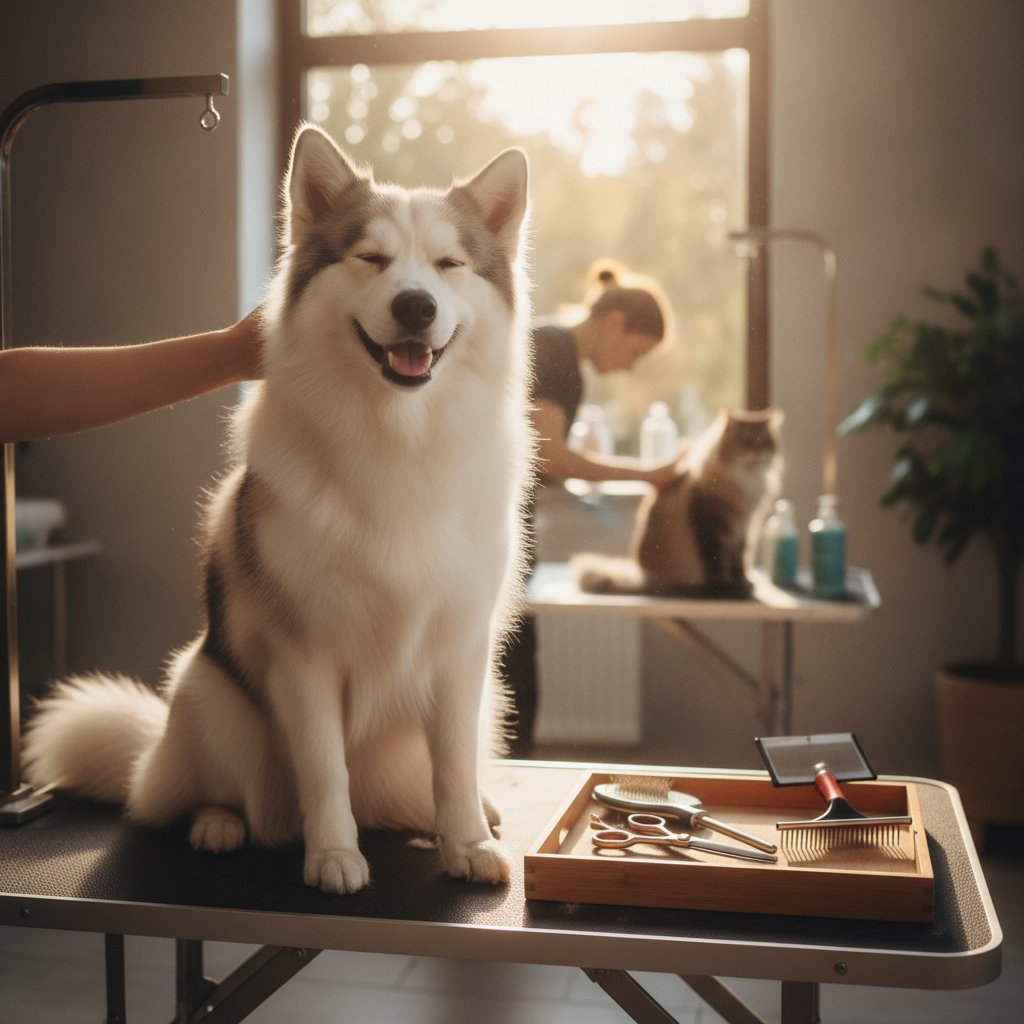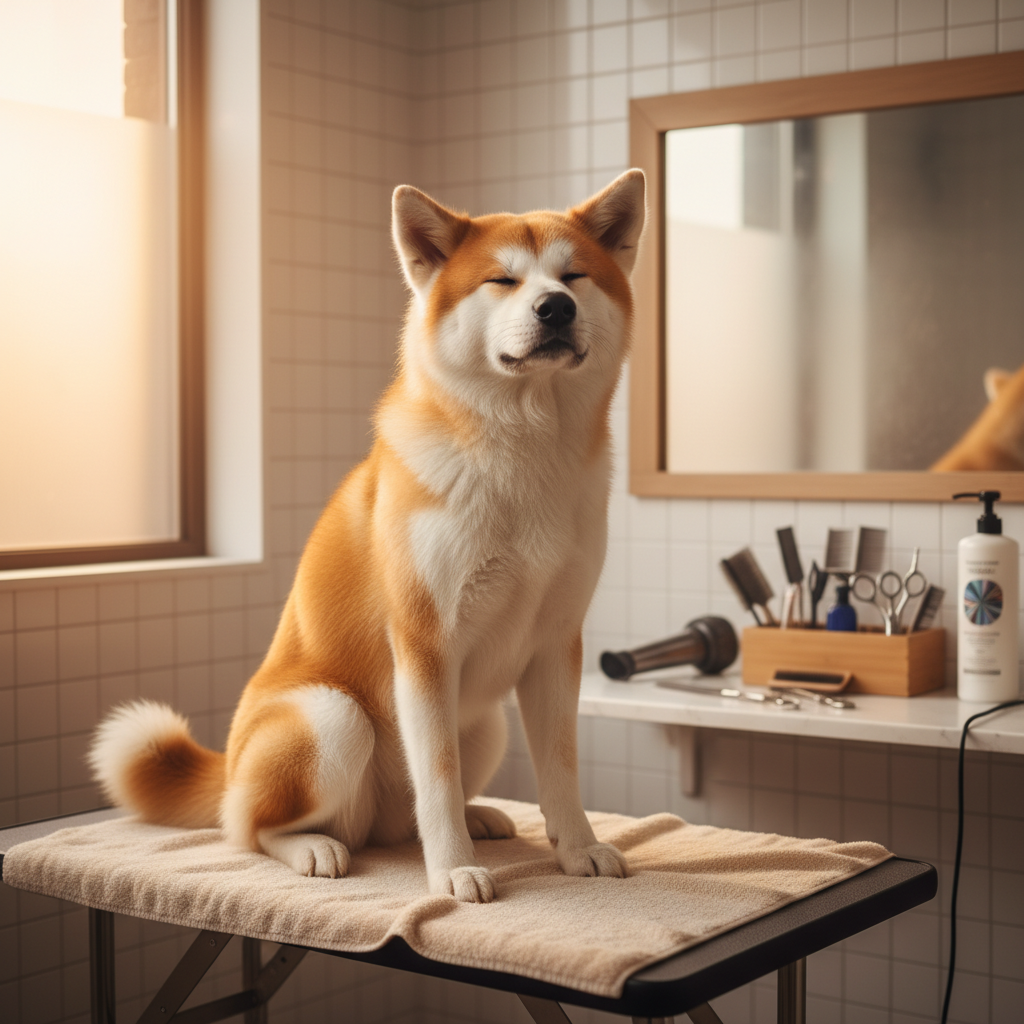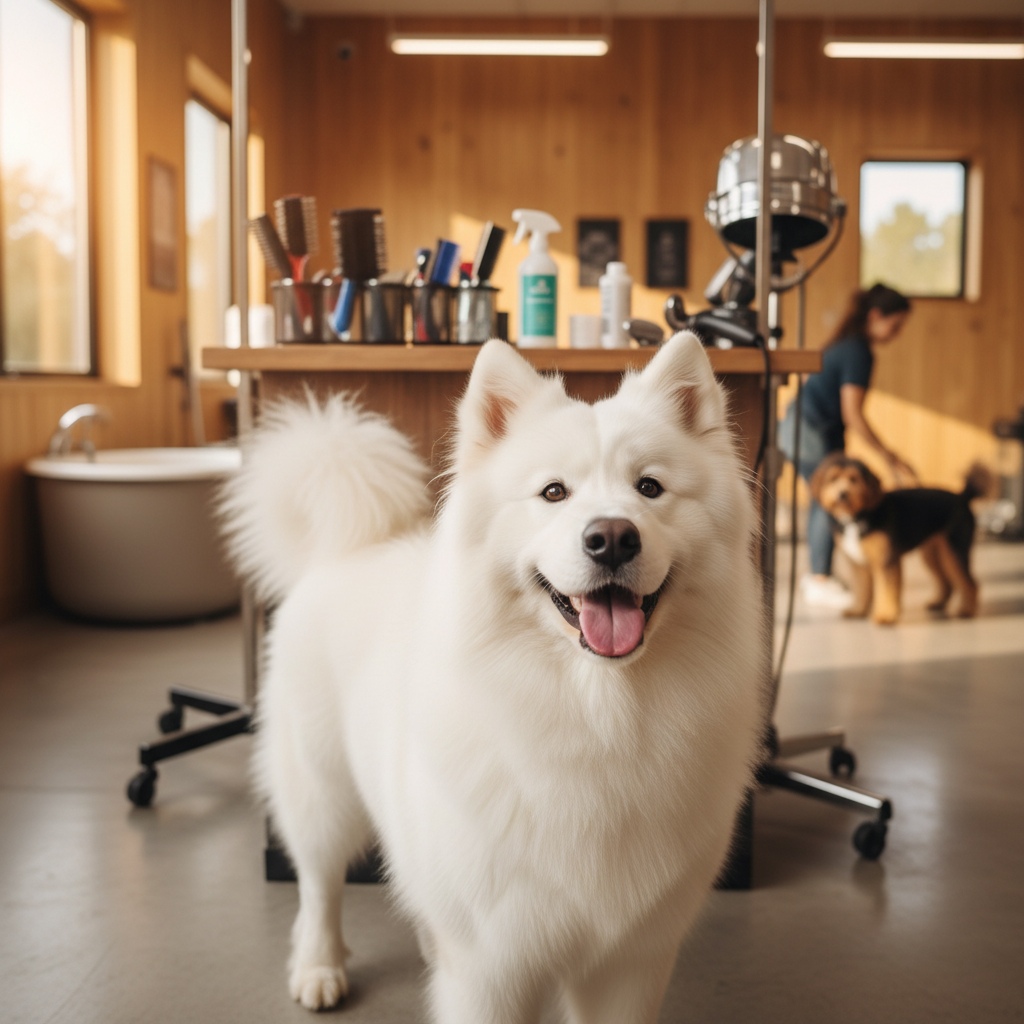
Persian and Himalayan cats face unique grooming challenges in the Philippine tropical climate. Learn daily coat care techniques adapted for year-round heat and humidity.
Key Takeaways
- The Philippines' year-round tropical humidity (often above 80%) makes daily grooming non-negotiable for Persian and Himalayan cats to prevent matting, fungal skin infections, and heat distress.
- Thinning shears used on the belly and undercarriage reduce coat bulk without exposing skin, which is critical given the intense Philippine sun even indoors near windows.
- Sanitary clip maintenance every two weeks is recommended during the wet season (June to November) when bacterial and fungal risks escalate.
- Cooling sprays must be alcohol free, fragrance free, and confirmed safe for feline use. Products with tea tree oil or citrus extracts are toxic to cats.
- A professional lion cut, performed by an experienced cat groomer, may be the most humane option for Persians and Himalayans that suffer chronic matting in Philippine conditions.
Why Philippine Climate Demands Daily Persian Cat Grooming
The Philippines maintains average temperatures between 25°C and 34°C throughout the year, with humidity levels routinely exceeding 80% during the wet season. Unlike temperate countries where hot weather grooming is seasonal, Philippine cat owners must treat intensive coat maintenance as a year-round commitment. Persian and Himalayan cats carry extremely dense double coats with fine, cottony undercoats that trap moisture from the ambient humidity. In Philippine conditions, this creates a persistently warm, damp microclimate against the skin that accelerates matting, promotes bacterial growth, and can trigger fungal dermatitis.
The Philippine Veterinary Medical Association (PVMA) and veterinary dermatology practitioners emphasise that longhaired breeds in tropical environments require significantly more intensive home care than their counterparts in cooler climates. Without daily intervention, pelt mats can form within 24 hours during peak humidity months. These mats restrict airflow to the skin, cause pain, and can mask serious conditions including flea allergy dermatitis and ringworm, both of which thrive in warm, humid environments.
Owners who notice signs of heat distress during grooming, such as open-mouth breathing, excessive drooling, or lethargy, should stop immediately and move the cat to an air-conditioned space. If symptoms persist beyond 10 to 15 minutes, veterinary attention is necessary.
Emergency Veterinary Clinic
Contact your nearest emergency veterinary clinic or call your vet immediately.
Metro Manila has several 24-hour veterinary clinics. In provincial areas, contact the municipal veterinarian.
Tools and Products for Philippine Conditions
Brushes and Combs
- Wide-tooth steel comb: The most essential tool. Teeth should be at least 3 cm long to reach through the dense Persian undercoat. Stainless steel resists rust in humid Philippine environments better than chrome-plated alternatives.
- Soft-pad slicker brush: For surface fluffing after thorough combing. Avoid hard slickers that cause brush burn on thin feline skin.
- Undercoat rake: Critical during months of heavy undercoat shedding. The dead undercoat absorbs humidity like a sponge, worsening heat retention.
Thinning Shears
- Select thinning shears with 40 to 46 teeth designed for feline grooming. Fewer teeth remove too much coat per cut and leave visible lines.
- Store shears in a dry environment or silica-lined case, as Philippine humidity can accelerate rust and dull blades. Dull shears pull fur and cause micro-trauma to the skin.
- Expect to invest approximately ₱1,500 to ₱4,000 for a quality pair suitable for home use.
Sanitary Clipping Equipment
- A quiet, low-vibration cordless clipper with a number 10 blade is standard for feline sanitary clips. Cordless models (typically ₱2,500 to ₱6,000) reduce stress for noise-sensitive cats.
- Blunt-tipped grooming scissors serve as backup for sensitive areas where clippers cause anxiety.
Cooling Sprays and Skin Protectants
- Choose products explicitly labelled safe for cats. Never use dog-only formulations, many of which contain essential oils toxic to felines.
- Key criteria: alcohol free, fragrance free, pH balanced for feline skin (around 6.0 to 7.0).
- Aloe vera-based mists and colloidal oatmeal sprays are commonly used by professional groomers, provided the formulation confirms feline safety on the label.
- Pet supply stores in Metro Manila, Cebu, and other major cities typically stock feline-safe grooming sprays ranging from ₱350 to ₱1,200 per bottle.
Step-by-Step Daily Grooming Routine for Philippine Homes
Step 1: Environment Preparation
Groom in an air-conditioned room whenever possible. If air conditioning is unavailable, use a well-ventilated area with a fan providing gentle airflow directed near (but not directly at) the grooming area. Avoid grooming during the hottest part of the day, typically between 11:00 AM and 3:00 PM. During brownouts (power interruptions common during summer months of March to May), postpone grooming sessions if the indoor temperature exceeds 32°C. Place a non-slip mat on a stable table at comfortable working height.
Step 2: Full Body Comb-Out (10 to 15 Minutes)
Begin with the wide-tooth steel comb, working in sections. Start behind the ears (a high mat zone in humid conditions), move to the ruff and chest, then sides, back, and finally the belly and inner legs.
- Comb in the direction of hair growth first, then gently work through tangles by holding hair at the base near the skin to prevent pulling.
- In Philippine humidity, mats form within 24 to 48 hours in friction areas: behind ears, under front legs, between hind legs, and along the belly.
- For small tangles, isolate with fingers and tease apart from the outer edge inward. Never pull a mat away from the skin.
Step 3: Undercoat Carding
After combing, use the undercoat rake to card out loose undercoat using short, light strokes. Dead undercoat absorbs Philippine ambient moisture and holds heat against the skin. Two to three passes per section is sufficient. Over-carding irritates feline skin, which is thinner than canine skin.
Step 4: Thinning Shear Work on the Belly
The belly carries the densest, most mat-prone fur. Thinning shears reduce bulk without creating blunt cut lines or exposing skin to potential sunburn.
- Positioning: With the cat gently on its side or cradled by a helper, lift the front leg to expose the belly. Some cats tolerate this better when lightly swaddled with only the belly exposed.
- Technique: Hold thinning shears at a 45-degree angle to the skin surface. Close once, comb through, then repeat if needed. The goal is reducing volume by roughly 30 to 40 percent.
- Frequency: Every two to three weeks during peak heat (March to May) and every three to four weeks during the wet season, with daily combing maintaining results between sessions.
Step 5: Sanitary Clip Maintenance
A sanitary clip removes fur around the anus, genitals, and inner thigh to prevent soiling. In Philippine heat and humidity, soiled fur becomes a breeding ground for bacteria within hours and can attract flies, creating a risk of myiasis (fly strike). This risk increases in areas near open drainage or during the wet season.
- Using a clipper with a number 10 blade, clip approximately 2 to 3 cm around the anus and inner thigh, following hair growth direction.
- Reassess every two weeks during wet season and every three weeks during dry season.
- For cats that cannot tolerate clippers, blunt-tipped scissors work as an alternative.
Step 6: Cooling Spray Application
After grooming, apply a light mist of cat-safe cooling spray from 15 to 20 cm away, avoiding the face and ears. Focus on the belly, inner legs, and paw pads. Do not saturate the coat, as excess moisture trapped in a dense coat worsens the problem. Never use sprays containing eucalyptus, peppermint, citrus, or tea tree oil on cats.
Step 7: Final Inspection
Use the soft slicker brush to lightly fluff the coat while inspecting the skin for redness, flaking, lumps, or parasites. Fleas are active year-round in the Philippines due to the consistent warm temperatures, making vigilant parasite prevention essential. Fungal conditions including ringworm are also more prevalent in tropical humidity. Any persistent skin abnormality warrants veterinary consultation.
Wet Season Considerations (June to November)
The Philippine wet season introduces additional challenges for Persian and Himalayan cat owners:
- Flooding and leptospirosis risk: Cats that have any outdoor access during floods face exposure to contaminated water. Keep cats strictly indoors during typhoons and flooding events. If a cat's coat becomes wet from floodwater, bathe immediately with a veterinarian-approved antiseptic shampoo and consult a veterinarian.
- Increased fungal risk: Ambient humidity above 85% during the wet season dramatically increases the likelihood of fungal dermatitis. Daily grooming with thorough drying of any damp areas becomes critical.
- Power interruptions: Extended brownouts during typhoons may leave homes without air conditioning for hours or days. Keep battery-operated fans available and monitor cats for heat distress during these periods.
When a Professional Lion Cut Is the Best Choice
The lion cut involves clipping the body coat short while leaving the head, mane, lower legs, and tail tip at full length. For Persian and Himalayan cats in the Philippines, this option deserves serious consideration in the following situations:
- Chronic matting despite daily care: Some Persian coat types are too fine and cottony to maintain at full length in tropical humidity, regardless of grooming frequency.
- Persistent heat intolerance: Cats that constantly seek cool tile floors, show reduced appetite during hot months, or display lethargy may benefit significantly.
- Skin conditions requiring topical treatment: A shorter coat allows better medication access.
- Senior cats with reduced mobility: Older Persians that can no longer self-groom effectively benefit from reduced maintenance needs.
Professional cat grooming services in the Philippines typically charge between ₱1,500 and ₱4,500 for a full lion cut, depending on location and coat condition. Always confirm the groomer has specific experience with cats, as feline grooming requires different handling techniques than canine grooming. Some veterinary clinics in Metro Manila and major cities offer grooming services with the option of light sedation for extremely stressed cats.
Maintaining Coat Health Between Sessions
- Climate control: Air conditioning or consistent ventilation significantly reduces humidity-related coat problems. Even a few hours daily in an air-conditioned room helps.
- Hydration: Fresh water should always be available. Pet water fountains (₱500 to ₱3,000) encourage drinking, which supports skin health.
- Nutrition: Diets adequate in omega-3 and omega-6 fatty acids support coat quality and skin barrier function. Consult a veterinarian before adding supplements.
- Year-round parasite prevention: Philippine climate supports flea populations throughout the year, unlike temperate countries where winter provides a break. Maintain consistent prevention as prescribed by the cat's veterinarian.
When to Seek Veterinary Help
Professional veterinary consultation is necessary when grooming reveals pelt matting (continuous sheets of matted fur close to skin), red or oozing skin, heavy dandruff or flaking, or when a cat suddenly resists previously tolerated grooming. The Philippine Animal Welfare Act (Republic Act 8485, as amended by RA 10631) establishes standards of care for companion animals, and maintaining a cat's coat health in tropical conditions falls within responsible ownership obligations under this law.
Grooming a Persian or Himalayan cat in Philippine conditions is a health-critical daily practice, not a cosmetic exercise. The combination of year-round heat, high humidity, and active parasite populations means these breeds require significantly more intensive care than in temperate climates. Owners who find they cannot maintain the necessary daily routine should consider a professional lion cut as a humane, practical alternative to allowing coat deterioration.
Frequently Asked Questions
How often should I groom my Persian cat in the Philippines? ↓
How much does a professional lion cut for a Persian cat cost in the Philippines? ↓
Is it safe to use cooling sprays on my Persian cat in Philippine heat? ↓
What additional precautions should I take during the Philippine wet season? ↓

Sophie Bianchi
Certified Master Pet Groomer
Certified master pet groomer — breed-standard techniques, skin health awareness, and at-home grooming guidance.
Content Disclosure
This article was created using state-of-the-art AI models with human editorial oversight. It is intended for informational and entertainment purposes only and does not constitute veterinary medical advice. Always consult a licensed veterinarian for your pet's specific health needs. Learn more about our process.