A practical breed selection guide for Filipino families navigating tropical heat, humidity, and typhoon season. Learn why Aspins and long muzzled breeds thrive while flat faced dogs struggle in our climate.
Key Takeaways
- Muzzle length is the single biggest filter. Brachycephalic (flat faced) breeds carry the highest heatstroke risk in Philippine humidity and are widely discouraged by veterinary professionals.
- Aspins (Asong Pinoy) are climate adapted. Locally born mixed breeds from PAWS, CARA Welfare Philippines, and barangay rescues often cope with tropical heat better than any imported pedigree.
- Humidity, not just temperature, is the danger. Manila, Cebu, and Davao routinely sit at 28 to 34 degrees Celsius with humidity above 80 percent, which cripples a dog's ability to cool through panting.
- Air conditioning, fans, and tiled flooring are welfare basics for any thicker coated breed kept in Philippine homes.
- Compliance with the Anti-Rabies Act of 2007 and barangay registration is mandatory regardless of breed choice.
Why Heat Tolerance Is the First Filter in Philippine Homes
Choosing a dog in the Philippines is not the same as choosing a dog in a temperate country. Daytime temperatures across Luzon, Visayas, and Mindanao regularly reach 32 to 36 degrees Celsius, and the heat index issued by PAGASA frequently climbs above 40 degrees Celsius during the tag init months of March to May. The wet season then brings sustained humidity, typhoons, and flood related disease pressure including Leptospirosis, which the Department of Health monitors closely each year.
For dogs, this combination matters because panting becomes inefficient once ambient humidity is high. A breed that copes in Baguio's cooler climate may struggle in Quezon City or Iloilo. Veterinary guidelines from the Philippine Animal Hospital Association and consensus positions from the World Small Animal Veterinary Association (WSAVA) consistently flag three structural factors that drive canine heat risk: muzzle length, coat type, and adult body size. Picking a breed is therefore not only a lifestyle question, it is an animal welfare question under Republic Act 8485, the Animal Welfare Act of 1998 (as amended).
The Three Structural Factors That Determine Heat Risk
1. Muzzle Length
Brachycephalic breeds (French Bulldogs, English Bulldogs, Pugs, Shih Tzus, Pekingese, Boston Terriers, Boxers, and Cavalier King Charles Spaniels) have compressed airways that struggle to dissipate heat through panting. In Philippine humidity, even a short walk along a concrete sidewalk in Makati or a brief brownout at home can become medically dangerous. Brachycephalic Obstructive Airway Syndrome (BOAS) is a recognised welfare issue, and several Filipino veterinary clinics now refuse to prescribe air travel sedation for snub nosed breeds for this reason.
Mesocephalic (medium muzzled) breeds such as Labrador Retrievers, and dolichocephalic (long muzzled) breeds such as Greyhounds or many Aspins, cool far more efficiently. For Filipino households, muzzle length is the most important breed filter.
2. Coat Type
Coat behaviour is more nuanced than the common belief that short means cool. A heavy double coat with a dense undercoat (Siberian Huskies, Alaskan Malamutes, Bernese Mountain Dogs, Chow Chows, and Golden Retrievers to a lesser degree) traps heat and is poorly suited to tropical living. Light single coats or sparse coats (most Aspins, Whippets, Greyhounds, Basenjis, and Pinscher types) handle local humidity much better.
Veterinarians and certified groomers generally discourage shaving double coated dogs to the skin, because the undercoat actually helps regulate temperature and protects against UV damage during sunny pamamasyal sessions. Dark coats also absorb more radiant heat, which raises paw burn risk on midday tarmac and on rooftop terraces common in condominium living.
3. Body Size
Larger dogs have a less favourable surface area to volume ratio for heat dissipation. Giant breeds (Great Danes, Saint Bernards, Newfoundlands) overheat quickly and need substantially more indoor space during the hot months, which is rarely practical in Metro Manila condos. Small to medium adult dogs in the 8 to 25 kg range generally adapt well to apartment and townhouse living, provided the breed is not brachycephalic and air conditioning is reliable.
Breeds Best Suited to Philippine Conditions
The following profiles are commonly recommended by veterinary and welfare professionals in the country:
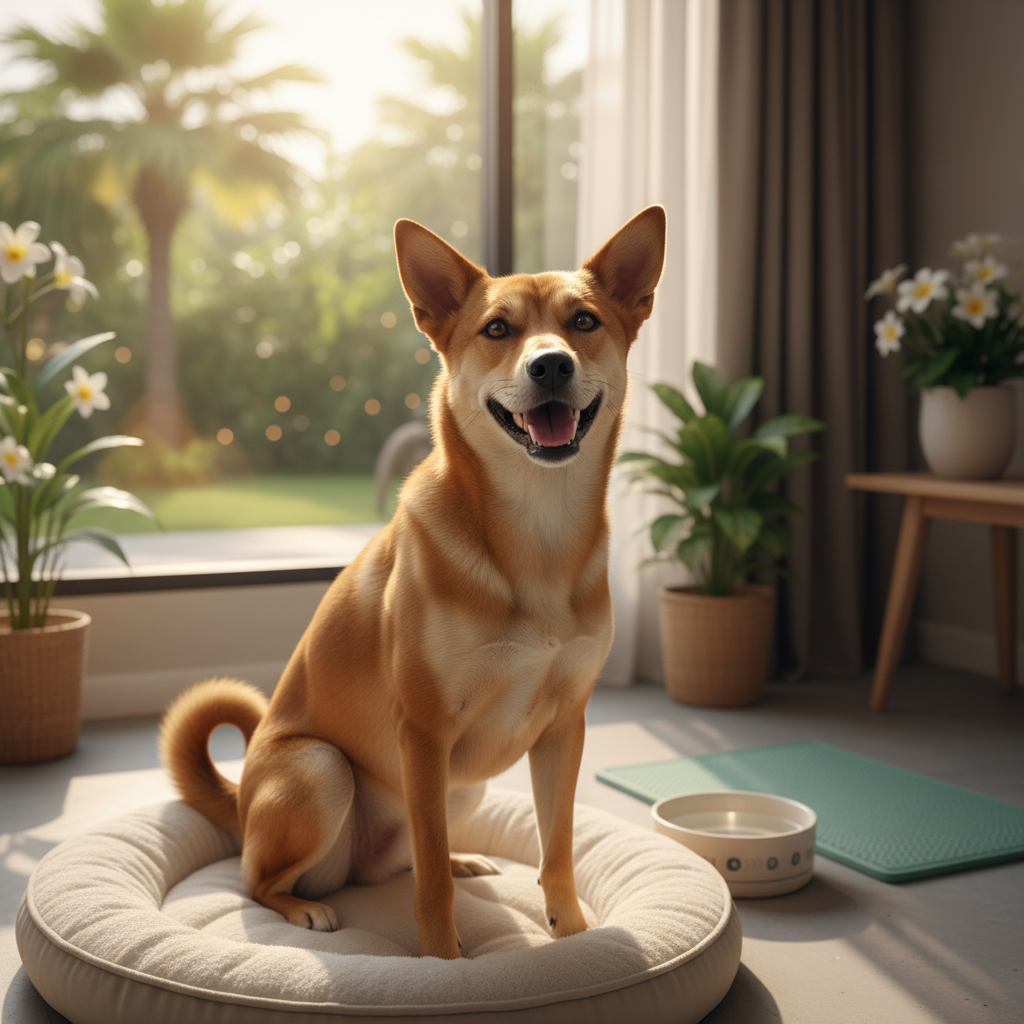
- Aspin (Asong Pinoy): The native Filipino mixed breed. Generally medium muzzled, short coated, and naturally heat adapted. Often the healthiest and most affordable choice, with adoption fees from PAWS or CARA typically ranging from ₱500 to ₱2,500 inclusive of initial vaccinations and deworming.
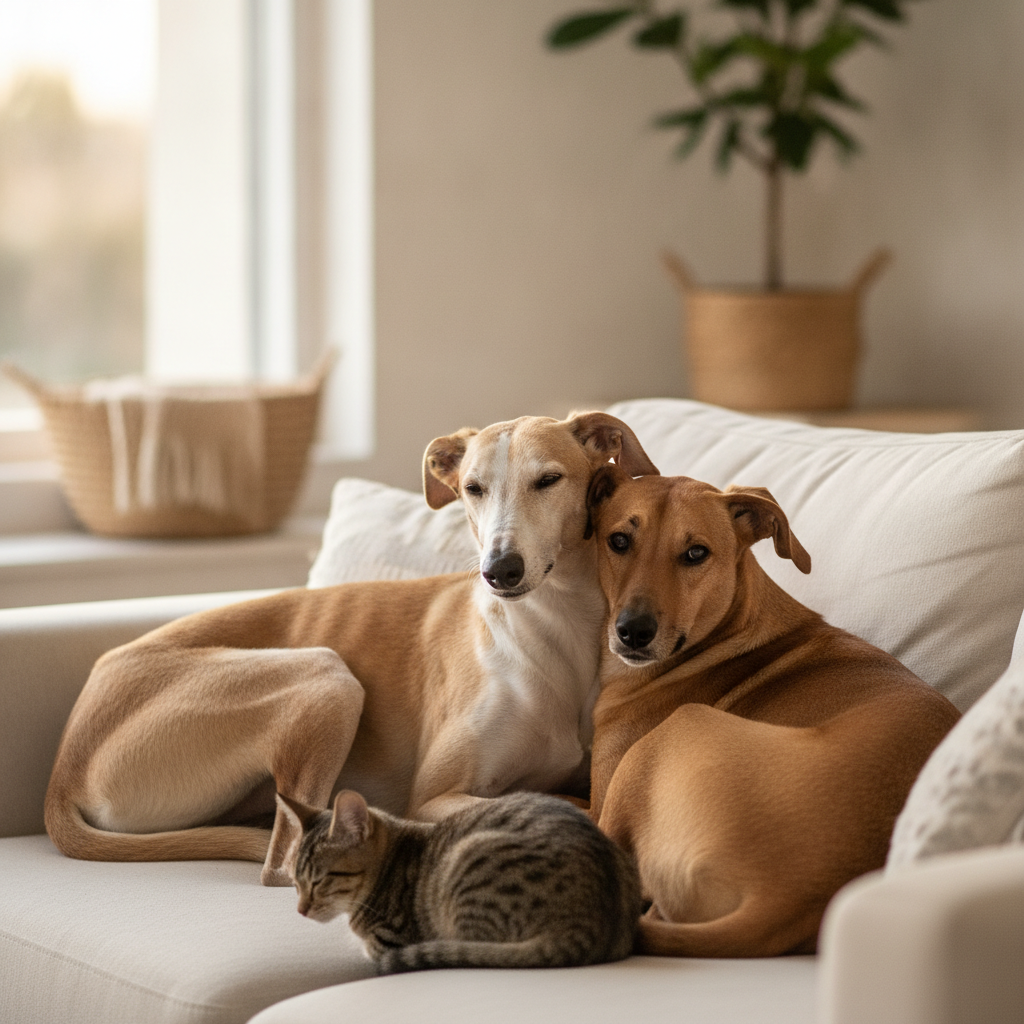
- Greyhound and Whippet: Calm indoors, low energy when resting, and well suited to air conditioned condos in Bonifacio Global City or Cebu IT Park.
- Standard or Miniature Poodle: Low shedding curly single coat, intelligent, and adaptable. Requires regular professional grooming, which is widely available in Manila, Cebu, and Davao.
- Basenji: Quiet, short coated, athletic during cooler hours, and African in origin so naturally heat tolerant.
- Dalmatian: Short single coat and long muzzle; cope well if exercise is scheduled around the heat.
- Labrador Retriever: Workable with strict heat management, hydration, and morning or evening walks only.
Breeds That Struggle in the Philippines
Despite their popularity on Filipino social media, the following breeds frequently appear in veterinary case loads for heat exhaustion, skin disease, and chronic respiratory issues:
- French Bulldog, English Bulldog, Pug, Shih Tzu, Pekingese, Boston Terrier, Boxer.
- Siberian Husky and Alaskan Malamute, which require near constant air conditioning and remain prone to heat stress.
- Saint Bernard, Newfoundland, and other heavy coated giants.
- Chow Chow and other dense double coated breeds.
Side by Side Comparison
| Breed | Muzzle | Coat | Adult Size | PH Heat Suitability | Condo Living |
|---|---|---|---|---|---|
| Aspin (Asong Pinoy) | Medium to Long | Short, single | Small to Medium | Excellent | Very good |
| Greyhound | Long | Short, single | Medium to Large | Very good | Excellent |
| Whippet | Long | Short, single | Small to Medium | Very good | Excellent |
| Standard Poodle | Long | Curly single | Medium to Large | Good | Very good |
| Basenji | Medium | Short, single | Small | Very good | Very good |
| Labrador | Medium | Dense double | Large | Moderate | Good with activity |
| Shih Tzu | Short | Long, double | Small | Poor | Risky even indoors |
| French Bulldog | Short | Short | Small | Poor (avoid) | Risky even indoors |
| Husky | Medium | Heavy double | Medium to Large | Poor (avoid) | Demanding |
Climate Specific Health Risks Filipino Owners Must Plan For
Beyond heatstroke, the tropical climate brings additional welfare considerations that influence breed choice and care planning:
- Leptospirosis: Spread through contaminated floodwater, particularly during habagat and typhoon season. The Department of Health issues regular advisories, and vaccination is widely recommended by Filipino veterinarians. Short legged and long coated dogs that wade through flooded streets face higher exposure.
- Heartworm: Endemic in many parts of the Philippines due to year round mosquito activity. Monthly prophylaxis typically costs between ₱350 and ₱900 depending on the dog's weight and the brand.
- Tick borne diseases (Ehrlichiosis, Babesiosis): Common across all regions. Tick and flea prevention is essential, with collars and spot on treatments ranging from ₱600 to ₱1,800 per application.
- Skin and ear infections: Humidity favours yeast and bacterial overgrowth, especially in floppy eared and skin folded breeds.
Legal and Local Requirements
Filipino dog owners must comply with the following regardless of breed:
- Anti-Rabies Act of 2007 (RA 9482): Mandatory annual rabies vaccination for all dogs aged three months and older. Free or subsidised rabies clinics are often organised by the Bureau of Animal Industry, City Veterinary Offices, and local government units.
- Barangay registration: Most LGUs require dog registration, often with a small annual fee ranging from ₱50 to ₱500.
- Animal Welfare Act (RA 8485, as amended by RA 10631): Sets minimum standards for housing, feeding, and humane treatment. Tethering dogs in direct sun without water can constitute a violation.
- Leash and waste rules: Cities such as Quezon City and Makati enforce leash and clean up ordinances in public parks.
For any sudden collapse, persistent panting that does not resolve in air conditioning, or suspected heatstroke, contact emergency veterinary services immediately at
Emergency Veterinary Clinic
Contact your nearest emergency veterinary clinic or call your vet immediately.
Metro Manila has several 24-hour veterinary clinics. In provincial areas, contact the municipal veterinarian.
Realistic Costs in Philippine Pesos
Budget planning prevents surrender and rehoming, which Filipino shelters report as a leading cause of intake. Typical first year cost ranges include:
- Adoption fee from a registered shelter: ₱500 to ₱2,500.
- Pedigree puppy from a reputable breeder: ₱15,000 to ₱80,000 depending on breed.
- Core vaccination series (5 in 1 or 6 in 1, plus rabies): ₱2,500 to ₱5,000.
- Spay or neuter (clinic dependent): ₱3,000 to ₱12,000.
- Monthly heartworm and parasite prevention: ₱500 to ₱1,500.
- Quality dog food per month for a medium dog: ₱2,000 to ₱5,000.
- Electricity uplift for continuous air conditioning during tag init: ₱1,500 to ₱4,000 additional per month.
- Boarding during Holy Week or Christmas travel: ₱500 to ₱1,200 per day.
Lifestyle Match Guide
Condominium, Working Couple
Best fits: Whippet, retired racing Greyhound, small Aspin, Miniature Poodle. A reliable dog walker or daycare service for pre dawn and post sunset walks is essential during summer months.
Townhouse or Provincial Home With Shaded Yard
Best fits: Standard Poodle, Labrador (with strict heat management), Dalmatian, medium Aspin. Always check ground temperature with the back of the hand for seven seconds before walking on concrete or asphalt.
Family With Young Children
Best fits: Labrador, Standard Poodle, calm adult Aspin vetted by shelter behaviour staff. Supervise all interactions regardless of breed reputation.
Senior Owners
Best fits: Retired Greyhound, adult Whippet, calm mature shelter Aspin. Quieter dogs that suit slower routines and small condos.
Adoption and Sourcing in the Philippines
The Philippine Animal Welfare Society (PAWS), CARA Welfare Philippines, Pawssion Project, Save Animals of Love and Light (SALL), and many provincial shelters consistently have climate adapted Aspins available for adoption. Reputable shelters carry out behaviour assessment, vaccinate, deworm, and spay or neuter before release.
If choosing a breeder, look for membership in the Philippine Canine Club Inc. (PCCI), verifiable health testing of parents, and a willingness to host a facility visit. Avoid tiangge puppies, online sellers who refuse home visits, and breeders marketing brachycephalic puppies as gifts during Christmas or Valentine's season.
Decision Checklist
- Our home has reliable air conditioning or strong cross ventilation, with a backup plan for brownouts.
- We can walk the dog before 6 am and after 6 pm during tag init and habagat months.
- We have budgeted for rabies vaccination, Leptospirosis prevention, heartworm prophylaxis, and barangay registration.
- We have ruled out brachycephalic breeds for this climate.
- We have seriously considered adopting an Aspin from a registered shelter.
- We have a boarding or sitter plan for Holy Week, Christmas, and typhoon evacuations.
- All household members agree on the choice and on responsibilities for a 10 to 15 year commitment.
Final Word
The Philippine climate is not going to change for the dog, so the dog must be chosen to fit the climate. Long muzzled, single coated, small to medium dogs, and especially the many wonderful Aspins waiting in shelters across the country, almost always represent the kindest and most sustainable choice. Brachycephalic breeds, however cute on TikTok or Instagram, are widely considered unsuitable for year round Philippine heat and humidity. Families who plan thoroughly, comply with the Anti-Rabies Act and Animal Welfare Act, and commit to heat aware routines tend to enjoy long, healthy relationships with dogs that are genuinely thriving, not merely surviving.
Frequently Asked Questions
Are Aspins really better suited to the Philippine climate than pedigree dogs? ↓
Why do veterinarians discourage Huskies and Pugs in the Philippines? ↓
What vaccinations are legally required for dogs in the Philippines? ↓
How much should I budget for a medium sized dog in the Philippines each month? ↓
Do I need to register my dog with the barangay? ↓

Priya Nair
Dog Breed Advisor & Adoption Counsellor
Dog breed advisor and adoption counsellor — honest breed comparisons and lifestyle matching for prospective owners.
Content Disclosure
This article was created using state-of-the-art AI models with human editorial oversight. It is intended for informational and entertainment purposes only and does not constitute veterinary medical advice. Always consult a licensed veterinarian for your pet's specific health needs. Learn more about our process.