Pet ownership generates a surprisingly large volume of single-use plastic waste, from food pouches and packaging to disposable grooming items and conventional waste bags. This room-by-room guide outlines practical, vet-informed swaps that meaningfully reduce environmental impact without compromising your pet's health or comfort.
Key Takeaways
- Pet ownership is a significant source of household plastic waste, driven by food pouches, dry food bags, grooming product bottles, single-use pee pads, and conventional waste bags.
- A room-by-room audit is the most effective starting point for identifying where single-use plastics concentrate in your pet care routine.
- Reusable and low-waste alternatives exist for virtually every plastic-heavy category of pet care, including feeding, grooming, play, walking, and waste management.
- Gradual transitions are safer for pets, particularly when changing food format or litter substrate, as abrupt changes can cause gastrointestinal upset or litter box avoidance.
- Accidental plastic ingestion is a genuine veterinary risk: any suspected ingestion warrants prompt professional assessment.
- Prioritising high-volume items first (food packaging and waste bags) delivers the greatest reduction in overall plastic output before moving to lower-volume categories.
Why Pet Plastic Waste Deserves Attention
The environmental footprint of pet ownership is frequently underestimated. A typical household with one or two dogs or cats generates a considerable volume of plastic waste each week: wet food pouches, treat wrappers, toy packaging, grooming product bottles, single-use pee pads, and standard plastic waste bags. Across millions of pet-owning households globally, the cumulative volume entering landfill and ocean systems is substantial.
Unlike many areas of household consumption where low-waste alternatives have become mainstream, pet care has historically lagged behind. However, the market for sustainable pet products has expanded considerably in recent years, and practical, vet-safe alternatives now exist for almost every plastic-heavy aspect of daily care. For a broader look at the environmental implications of what pets eat, The Carbon Pawprint: A Veterinary Analysis of Wet vs. Dry Pet Food provides a detailed breakdown of food-related sustainability considerations.
This guide takes a room-by-room approach, helping owners identify the highest-impact areas in their home and make informed swaps at a pace that works for their pet, their budget, and their lifestyle.
Step One: The Plastic Audit
Before making any changes, a brief audit of current habits is worthwhile. Sustainability professionals commonly recommend a simple waste stream inventory as the most effective starting point for meaningful reduction. For pet owners, this means spending one week collecting and categorising all pet-related plastic waste before disposal.
Common findings typically include:
- Wet food pouches and tins (tins are significantly more recyclable)
- Dry food bags with mixed-material laminates that are incompatible with most recycling streams
- Treat packets and chew wrappers
- Disposable grooming wipes and single-use applicator sachets
- Conventional plastic waste bags
- Single-use pee pads with plastic backing layers
- Toy and accessory packaging (blister packs, cable ties, plastic tags)
- Shampoo, conditioner, and ear cleaner bottles
- Plastic litter liners and scoop bags
Categorising waste by room or activity immediately clarifies where the greatest gains are achievable and makes the process feel manageable rather than overwhelming.
The Kitchen and Feeding Station
The feeding area is typically the largest single source of pet-related plastic waste in any household, driven primarily by food and treat packaging.
Food Packaging
Wet food pouches are among the most problematic pet-related plastics because their multi-layer laminate construction makes them incompatible with standard recycling streams in most regions. Veterinary nutritionists generally agree that wet food plays a valuable role in hydration for cats and certain dogs, so switching to dry food purely for packaging reasons is not always appropriate. Practical alternatives include:
- Tinned wet food: Steel tins are widely recyclable in most municipal systems. Transitioning from pouches to equivalent tinned formulations can dramatically reduce landfill-bound plastic with no change to nutritional content. For guidance on comparing nutritional profiles when switching, Decoding Pet Food Labels: Understanding Nutritional Guarantees and Ingredients provides a clear framework.
- Bulk dry food: Many specialist pet food retailers and farm supply stores offer dry food in paper-based sacks or allow owners to bring reusable containers for refill purchasing. Paper-based outer packaging is substantially more compostable and recyclable than plastic film.
- Direct-from-producer brands: Some manufacturers now ship in compostable or cardboard-based outer packaging, and researching packaging credentials before committing to a brand is increasingly rewarded as labelling becomes more transparent.
Food Storage and Equipment
Storing opened dry food in the original bag (often a plastic-lined sack) is standard practice but contributes to ongoing plastic handling. Stainless steel or glass airtight canisters are durable, hygienic, and eliminate the need for the original bag once it has been emptied. Silicone lids and reusable covers replace single-use cling film for wet food portions stored in the refrigerator.
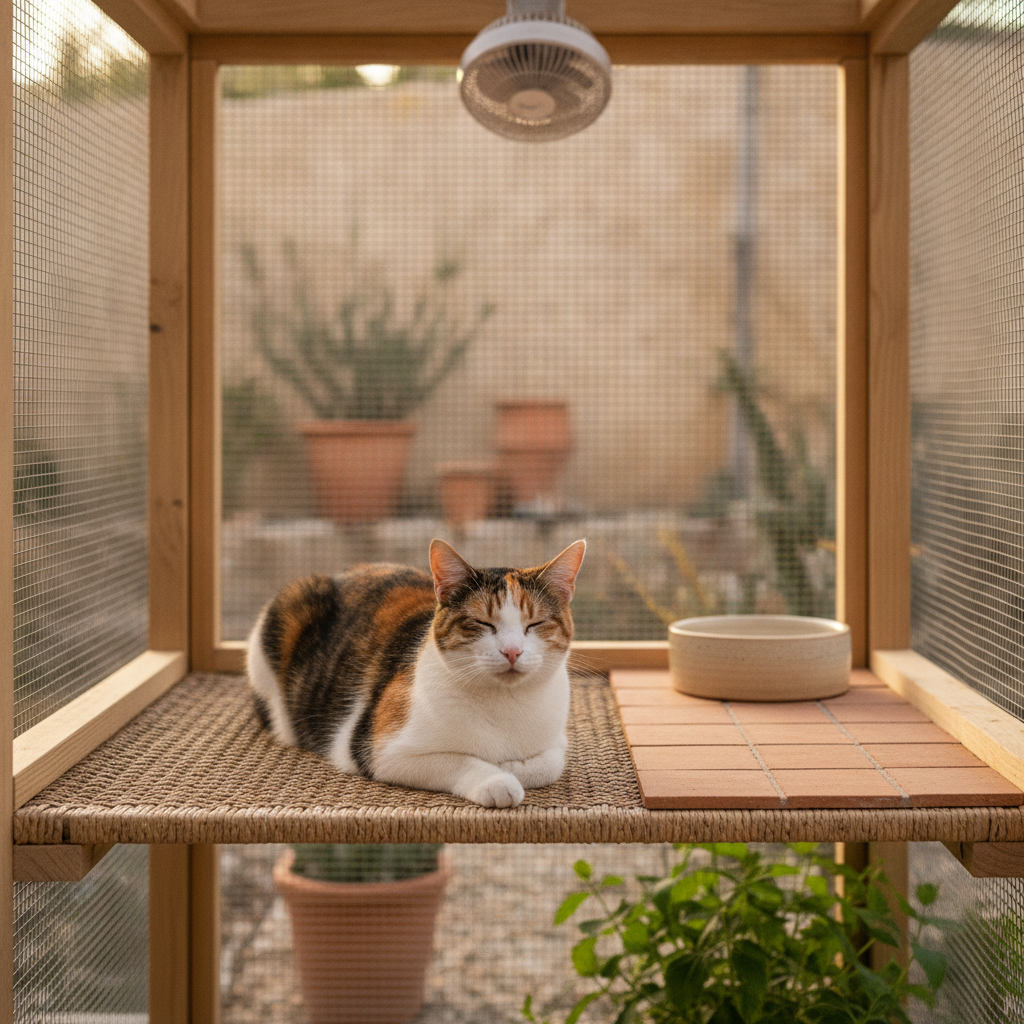
Many standard pet bowls are made from polypropylene or other plastics. Stainless steel and glazed ceramic bowls are widely recommended by veterinary professionals as more hygienic alternatives because they do not develop the micro-abrasions that accumulate in plastic bowls over time. These micro-abrasions can harbour bacteria associated with feline chin acne and general hygiene concerns. Making a one-time investment in quality stainless steel or ceramic feeding equipment eliminates both an ongoing source of plastic waste and a potential hygiene issue. Slow feeder bowls, puzzle feeders, and lick mats are now readily available in food-grade silicone and stainless steel, replacing plastic equivalents without any compromise in enrichment value.
The Bathroom and Grooming Station
Grooming produces a steady stream of single-use plastic containers: shampoo bottles, conditioner dispensers, ear cleaning solution bottles, medicated wipe sachets, and disposable applicators.
Shampoos and Topical Grooming Products
Concentrated shampoo bars and solid grooming products formulated specifically for animals eliminate the need for plastic bottles entirely. Note that human shampoo bars are not appropriate for pets due to differences in skin pH between species. Many grooming brands now also offer concentrated refill pouches or larger bulk formats that significantly reduce the packaging-to-use ratio compared to standard single-use bottles. For a comprehensive look at sustainable grooming options, materials, and certifications, Eco-Friendly Grooming: A Professional Guide to Natural Brushes and Biodegradable Shampoos covers what to look for on product labels.
Brushes, Combs, and Grooming Tools
Conventional pet brushes typically combine plastic handles with nylon bristles. Sustainable alternatives include brushes with bamboo or FSC-certified wood handles and natural boar bristle or plant-fibre pads. These are durable, biodegradable at end of life, and perform comparably for most coat types. High-quality metal deshedding tools with sustainably sourced wooden handles outlast plastic counterparts substantially, reducing replacement frequency and overall waste.
Dental and Ear Care
Ear cleaning solutions commonly arrive in single-use plastic bottles. Opting for larger-format refill bottles or veterinary-dispensed solutions reduces packaging frequency. For dental hygiene, toothbrushes with bamboo handles and biodegradable bristle pads are now available for pets, directly replacing the standard plastic equivalent without any change to technique or effectiveness.
The Living Room and Play Zone
The living room accumulates plastic through toys, enrichment items, and their packaging. Pet toy packaging is almost universally plastic-heavy, often including blister packs, cable ties, and plastic hang-tags that serve no ongoing function once unpacked.
Toy Materials and Sourcing
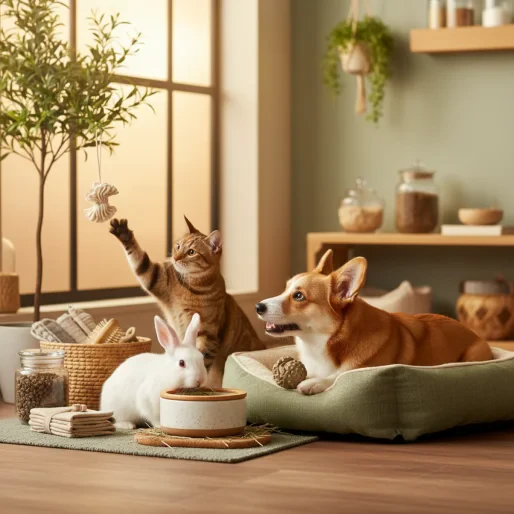
Natural rubber toys (look specifically for FSC-certified natural rubber rather than synthetic rubber, which is petroleum-derived) are a well-established alternative to plastic fetch toys and chews. Hemp rope toys, wool felt toys, and products made from recycled materials provide enrichment without virgin plastic. Reputable manufacturers will specify materials clearly on their packaging or website. Buying second-hand or participating in toy-swap communities, now active on many pet owner forums and social media groups, extends the usable life of existing toys. The guide DIY Enrichment Economics: Upcycling Linens into Braided Tugs and Snuffle Mats demonstrates how household textiles can be repurposed into effective enrichment items, eliminating plastic entirely.
Beds and Resting Areas
Conventional pet beds often use polyester filling derived from virgin petroleum-based plastics. Alternatives include beds filled with recycled polyester (recovered from post-consumer plastic bottles), natural wool, or organic cotton. Some manufacturers use GOTS-certified organic fabric covers for their outer shells. While not zero-plastic, choosing recycled-content products reduces demand for virgin plastic production and diverts existing waste from landfill.
The Walk and the Great Outdoors
Walking gear and waste management are the most visible areas of outdoor plastic use for dog owners.
Waste Bags
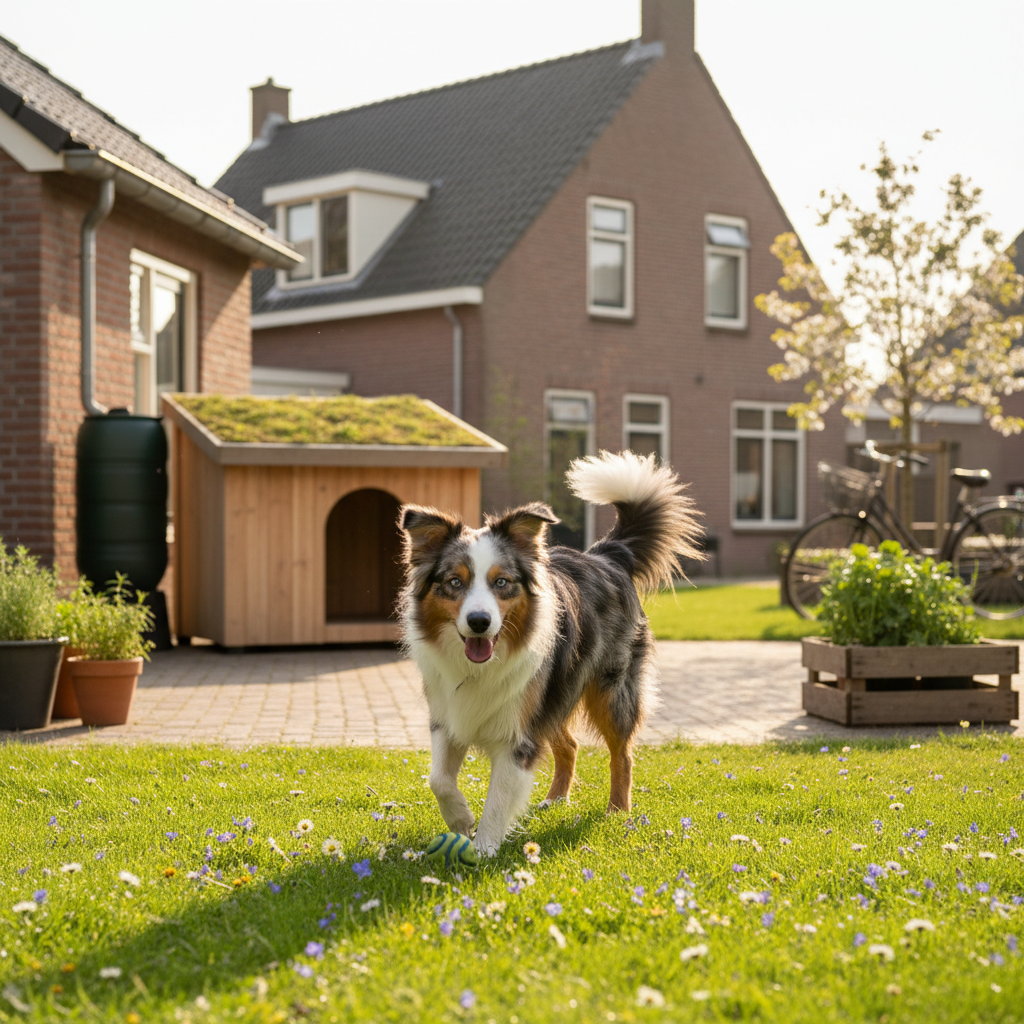
Certified compostable waste bags are now widely available and represent a straightforward swap from conventional plastic. When evaluating products, look for certification to recognised standards such as EN 13432 (European) or ASTM D6400 (North American), which confirm genuine compostability under defined conditions. General "biodegradable" claims without third-party certification are less reliable. For owners with established composting setups, Vermicomposting Pet Waste: The Science of Safe Disposal explores scientifically grounded at-home waste processing methods.
Leads, Harnesses, and Collars
The growing market for sustainable walking gear includes leads and harnesses made from recycled PET (recovered from plastic bottles), organic hemp, and natural leather. Hemp leads and collars are biodegradable at end of life and are notably durable under regular use. The comprehensive guide Sustainable Dog Walking Gear: How to Choose Recycled Leads, Compostable Waste Bags, and Low-Impact Harnesses covers certifications, material comparisons, and fit considerations in detail.
Water on the Go
Single-use plastic water bottles purchased during walks are a straightforward area for elimination. Collapsible silicone water bowls and stainless steel travel bottles with integrated pour spouts are compact, reusable, and eliminate the need for disposable options on the vast majority of outings.
The Litter and Waste Station
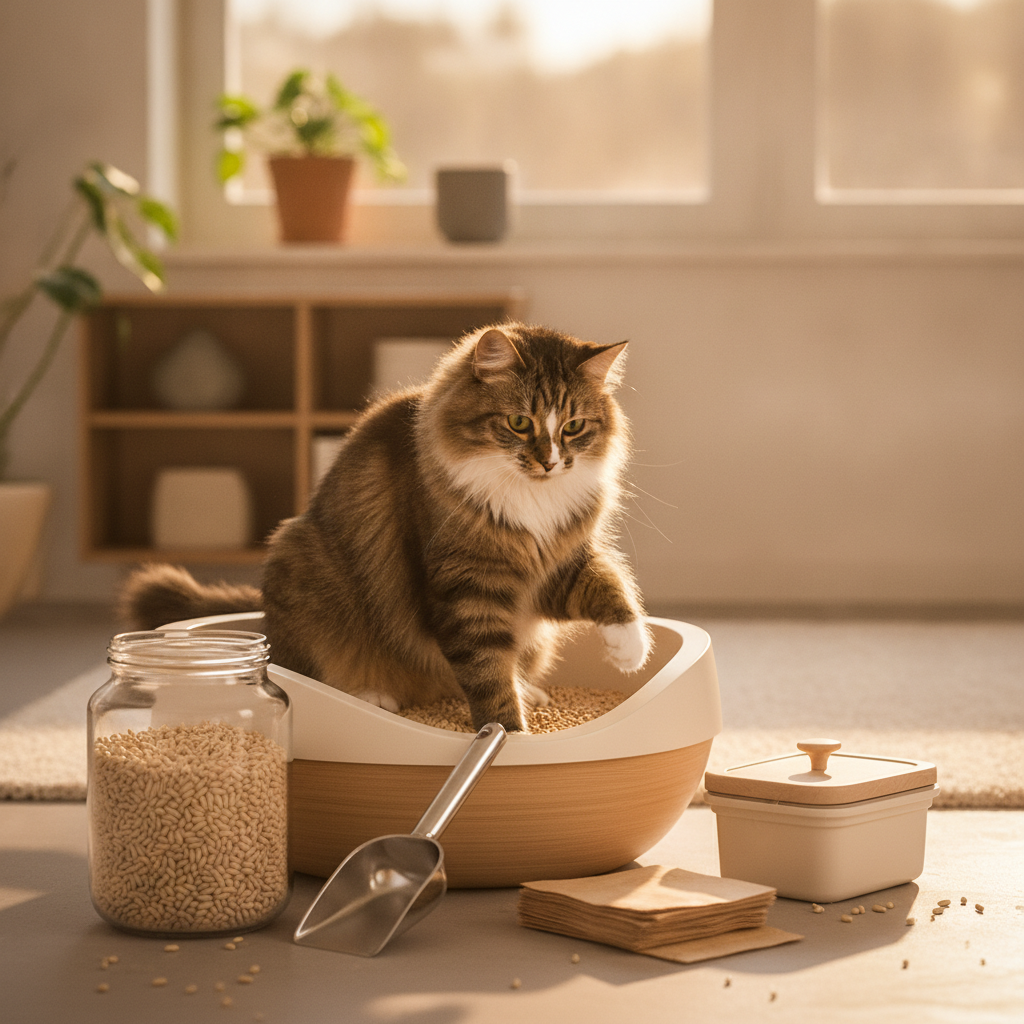
For cat owners, the litter station is a significant source of plastic: conventional clay litters in plastic sacks, litter box liners, and plastic scoop bags each contribute consistently to weekly waste volumes.
Litter Choice and Transition
Switching to a biodegradable litter substrate (wood pellets, recycled paper, wheat-based, or corn-based options) addresses both the litter material itself and often its packaging, as many eco-litters are sold in paper-based sacks. The detailed guide Eco-Friendly Cat Litter: A Professional Guide to Sustainable Substrates covers performance, hygiene, and transition considerations for each substrate type. A gradual blend-in approach over two to four weeks is recommended to prevent litter box avoidance, which is a common cause of inappropriate elimination and a frequent reason for owner distress.
Litter Boxes and Accessories
Litter box liners add significant plastic volume over time yet are considered optional by most veterinary behaviourists. Well-designed boxes with smooth, non-porous surfaces can be cleaned directly without liners. Stainless steel litter scoops eliminate the need for plastic scoop replacements and are more hygienic due to their non-porous surface, which does not retain odours or bacterial contamination in the same way as aged plastic.
Small Animals, Birds, and Aquatics
Owners of rabbits, guinea pigs, birds, and fish also generate substantial plastic waste through habitat maintenance, bedding packaging, and accessories, yet this is rarely addressed in sustainability discussions.
Small Animals and Rabbits
Bedding for small animals is commonly sold in large plastic bags. Paper-based bedding (compressed paper pellets or paper crinkle bedding) is widely available, performs comparably for odour control and absorbency, and is often sold in recyclable or minimal outer packaging. Fresh food also plays a role here: incorporating seasonal, low-packaging produce supports a lower-waste diet overall. Safe Spring Vegetables and Herbs for Pet Rabbits and Guinea Pigs provides a practical fresh food guide with toxicity guidance included.
Birds and Parrots
Bird food is frequently sold in plastic packaging. Buying from avian specialist suppliers in larger bulk formats reduces the packaging-to-food ratio significantly. Natural wood perches and foraging toys made from untreated hardwoods, cork, palm leaf, and sisal replace plastic cage accessories and provide superior enrichment for psittacines. Fresh dietary additions are also practical here: Fresh Greens for Parrots: Safe vs. Toxic Lists guides owners on incorporating fresh, minimally packaged food safely.
Aquatics
Aquarium maintenance generates plastic through water conditioner bottles, test kit packaging, and filter media wrappers. Buying water conditioners in concentrated large-format bottles reduces plastic per litre of water treated considerably. Reusable liquid test kits, rather than single-use strip-based tests, provide more accurate water chemistry readings while generating substantially less disposable waste.
A Safety Note: Plastic Ingestion Risk
Reducing plastic in your pet's environment carries an important secondary benefit: it lowers the risk of accidental ingestion. Packaging fragments, cable ties from toy packaging, cellophane wrappers, and loose plastic bag pieces are documented causes of gastrointestinal obstruction in dogs and cats. Veterinary emergency specialists consistently cite foreign body ingestion as one of the most common indications for surgical intervention in companion animals.
If a pet is observed ingesting any plastic material, regardless of the apparent quantity, owners should contact a veterinarian or emergency animal hospital without delay. Signs suggesting gastrointestinal obstruction include:
- Repeated vomiting or retching, particularly after eating
- Loss of appetite or complete food refusal
- Lethargy or visible abdominal pain when the belly is touched
- Straining to defecate or absence of normal bowel movements
- A distended or tense abdomen
Inducing vomiting at home without direct veterinary instruction is not recommended, as this can cause additional harm depending on what was ingested and how much time has elapsed. Always seek professional guidance first.
Making the Transition: A Practical Framework
Transitioning to a lower-plastic pet care routine need not happen all at once. A phased approach produces better outcomes for budgets and pets alike.
The Use-Up-and-Replace Principle
Rather than discarding current plastic items to buy sustainable replacements immediately, using items until the end of their usable life and then replacing with low-waste alternatives avoids creating waste in the pursuit of sustainability. The exception is feeding bowls showing significant scratching or degradation, which should be replaced promptly on hygiene grounds.
Prioritise High-Volume Categories First
Food packaging and waste bags generate the greatest volume of plastic in most pet households. Addressing these two categories first yields the most meaningful reduction in overall plastic output before moving to lower-volume items such as toy packaging or grooming accessories.
Budget for Upfront Investment
Many reusable alternatives carry a higher upfront cost but prove more economical over time. Quality stainless steel bowls, natural grooming tools, and refillable shampoo systems typically outlast multiple cycles of their disposable equivalents. For households managing pet care costs carefully, The Real Cost of Dog Ownership in 2026: A Practice Manager's Breakdown provides a useful framework for prioritising spending across all aspects of care.
Consult Your Vet Before Changing Diet Format or Litter
Any change to food format or litter substrate should be made gradually and, where a pet has existing health conditions, in consultation with a veterinarian. Eco-Friendly Spring Cleaning: A Non-Toxic Checklist for Pet Homes offers parallel guidance on making the wider home environment safer and more sustainable for companion animals across seasonal transitions.
Room-by-Room Summary: Highest-Impact Swaps
- Kitchen: Tinned food over pouches, bulk dry food in paper sacks, stainless steel or ceramic bowls, glass or steel airtight food storage
- Bathroom: Solid or concentrated shampoo formats, bamboo-handled brushes, larger-format ear and dental care solutions
- Living Room: Natural rubber or hemp toys, recycled-content beds, second-hand enrichment items, DIY textile toys from repurposed household fabrics
- Outdoors: Certified compostable waste bags, hemp or recycled-material leads and harnesses, reusable stainless steel travel water systems
- Litter Station: Paper or wood-based litter in paper sacks, liner-free smooth-surface litter boxes, stainless steel scoops
- Small Animals and Birds: Paper-based bedding, bulk food purchasing, natural wood and plant-fibre cage accessories
- Aquatics: Concentrated large-format water conditioners, reusable liquid test kits, bulk filter media purchasing
Each individual swap compounds over time. Across a pet's lifetime, the collective reduction in single-use plastics from even moderate changes to a household's routine represents a meaningful contribution to reducing the broader environmental impact of companion animal ownership.
Frequently Asked Questions
Are compostable dog waste bags genuinely better for the environment than conventional plastic bags? ↓
How do I switch my cat's litter to a biodegradable option without causing litter box problems? ↓
Is it safe to use stainless steel bowls for all pets, including cats prone to acne? ↓
What should I do if my dog or cat swallows a piece of plastic packaging? ↓
Do natural rubber dog toys last as long as plastic ones for heavy chewers? ↓

TrustMyPets Editorial Team
Global Pet Care Experts
Multi-disciplinary editorial team — evidence-based pet care guidance across health, behaviour, and welfare.
Content Disclosure
This article was created using state-of-the-art AI models with human editorial oversight. It is intended for informational and entertainment purposes only and does not constitute veterinary medical advice. Always consult a licensed veterinarian for your pet's specific health needs. Learn more about our process.