High humidity and frequent brownouts make fishkeeping in the Philippines uniquely challenging. This guide covers species selection, cooling strategies, typhoon preparedness, and a seasonal maintenance calendar tailored to Philippine conditions.
Key Takeaways
- Philippine indoor temperatures regularly exceed 32 °C from March through May, pushing tank water into dangerous ranges for many freshwater fish.
- Humidity averaging 75 to 85 percent across most of the archipelago makes clip-on fan cooling far less effective than in drier climates; a chiller is often the safer investment.
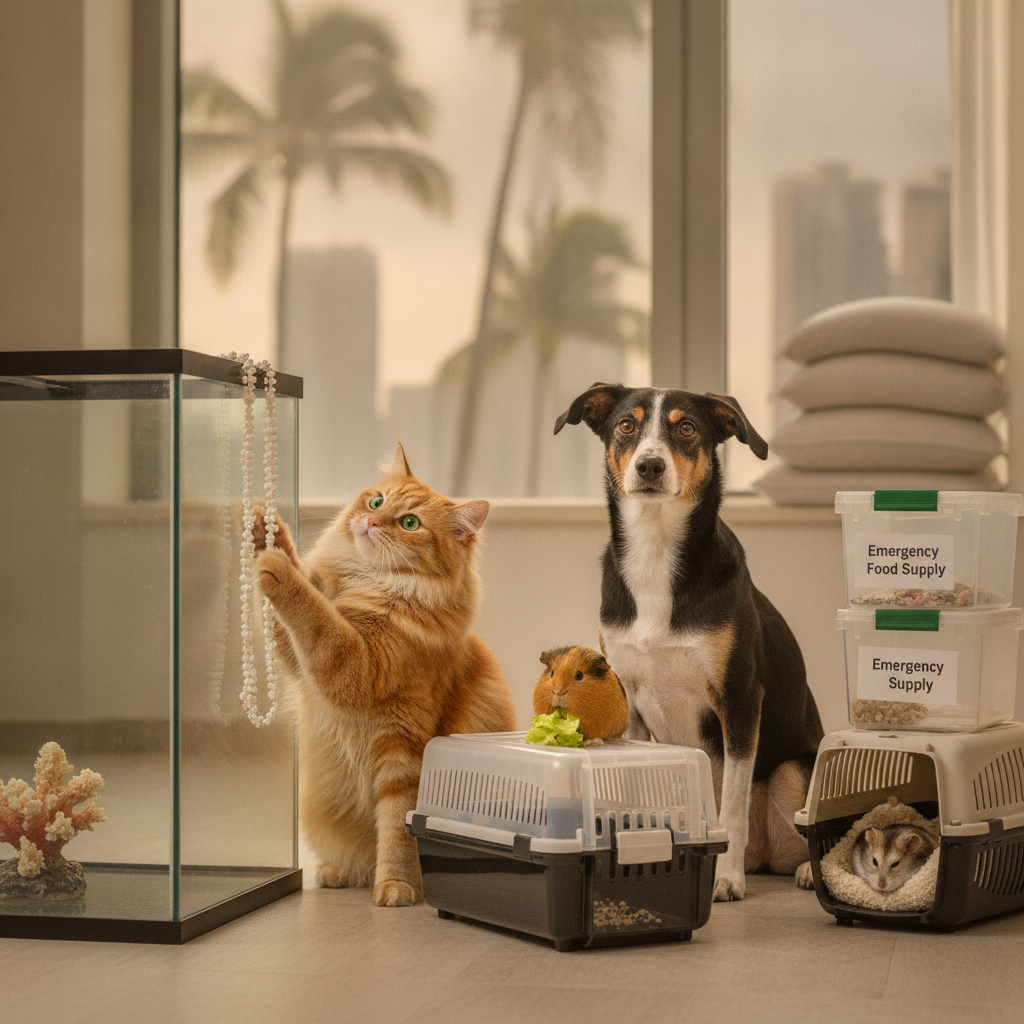
- Typhoon season (June through November) brings prolonged blackouts, so a dedicated outage kit with battery air pumps is not optional.
- Evaporation combined with mineral-rich Philippine tap water can cause rapid TDS creep, requiring consistent top-off and testing routines.
- Several heat-tolerant species, including guppies, gouramis, and kuhli loaches, are readily available at Philippine pet markets and thrive in local water conditions.
Why Philippine Conditions Require a Tailored Approach
Most tropical aquarium guides assume an ambient room temperature of 20 to 25 °C. In many Philippine homes, especially those without air conditioning, indoor temperatures can hover between 30 and 36 °C from March through May (locally called "tag-init"). Combined with the country's persistently high humidity, the challenges go beyond simple overheating: dissolved oxygen drops faster, beneficial filter bacteria consume oxygen at higher rates, and evaporation patterns behave differently than in drier tropical regions.
Brownouts (rotational power interruptions) remain common in parts of Metro Manila and across provincial areas. During typhoon season, outages lasting several hours to multiple days are a real possibility. Planning around these realities is essential for keeping fish alive and healthy.
Choosing the Right Room and Placement
Location Checklist
- Interior wall placement. Position the tank away from windows and exterior walls that absorb afternoon sun. Many Philippine homes have west-facing walls that radiate heat well into the evening.
- Flood risk awareness. In flood-prone barangays, avoid placing tanks on the ground floor near entry points. Even a minor flood can contaminate a tank with sewage or floodwater, introducing harmful bacteria including Leptospira.
- Floor load. A filled 200-litre tank weighs roughly 230 kg. Verify that your floor, whether concrete or elevated wooden construction common in provincial homes, can handle the load.
- Electrical safety. Use a surge protector and keep all power strips elevated above potential flood lines. In areas prone to voltage fluctuations, an automatic voltage regulator (AVR) rated for aquarium equipment (typically ₱1,500 to ₱3,500) protects against damage to filters and heaters.
- Air conditioning considerations. If the tank is in an air-conditioned room, the AC itself may provide enough cooling. However, ensure the unit does not blow directly onto the water surface, which causes uneven evaporation. Be aware that when the AC cycles off overnight, tank temperature can spike by 3 to 5 °C within a few hours.
Heat-Tolerant Species Available in the Philippines
Selecting fish that naturally thrive at 28 to 32 °C reduces or eliminates the need for mechanical cooling. Many of the best options are Southeast Asian natives, widely bred locally and available at pet markets across Metro Manila (such as Cartimar in Pasay and Tiendesitas in Pasig) and in provincial pet shops.
Comfortable at 28 to 30 °C
- Endler's Livebearer (Poecilia wingei): Locally bred in outdoor ponds across Luzon, these colourful livebearers handle Philippine ambient temperatures with ease. Often available for ₱30 to ₱80 each.
- Bristlenose Pleco (Ancistrus sp.): An effective algae cleaner comfortable up to 30 °C, provided dissolved oxygen is maintained. Typically priced at ₱150 to ₱400.
- Cherry Barb (Puntius titteya): Peaceful schooling fish suited to 26 to 30 °C, widely stocked at local fish shops.
- Kuhli Loach (Pangio kuhlii): Native to Southeast Asia, comfortable up to 30 °C. A popular bottom dweller in Filipino community tanks.
Comfortable at 30 to 32 °C
- German Blue Ram (Mikrogeophagus ramirezi): One of the few cichlids that genuinely prefers warmer water, thriving at 28 to 32 °C.
- Pearl Gourami (Trichopodus leerii): A labyrinth breather that takes atmospheric oxygen directly, which reduces stress when dissolved oxygen dips in warm water.
- Guppy (Poecilia reticulata): The most popular aquarium fish in the Philippines, locally bred in enormous variety. Hardy up to 31 °C and widely available for ₱20 to ₱200 depending on strain.
- Rummy Nose Tetra (Hemigrammus rhodostomus): Does well up to 31 °C in schools of six or more.
Species to Avoid in Uncooled Philippine Tanks
- White Cloud Mountain Minnow (prefers 16 to 22 °C)
- Goldfish and fancy goldfish varieties (prefer 18 to 24 °C, despite their popularity in the Philippines)
- Axolotls (require water below 22 °C; unsuitable for Philippine ambient conditions without dedicated chilling)
Cooling Solutions: Fans vs Chillers in Philippine Humidity
This is where Philippine conditions diverge sharply from advice written for arid or semi-arid hot climates. Evaporative cooling (fans blowing across the water surface) depends on low ambient humidity to work. In the Philippines, where relative humidity commonly exceeds 75 percent, fans provide minimal temperature reduction, often less than 1 to 2 °C.
Clip-On Fans
- Cost: Around ₱500 to ₱1,500 for aquarium-specific models.
- Effectiveness: Limited in Philippine humidity. May help during the slightly drier months of March and April, but nearly useless during the wet season.
- Best for: Supplementary cooling in air-conditioned rooms where the fan helps during brief AC-off periods.
Aquarium Chillers
- Cost: Approximately ₱10,000 to ₱30,000 for freshwater-sized inline units.
- Effectiveness: Precise temperature control regardless of humidity. The recommended investment for serious fishkeepers in non-air-conditioned Philippine homes.
- Consideration: Chillers generate waste heat. In a small room, this can raise ambient temperature, partially defeating the purpose. Ensure adequate room ventilation or place the chiller where heat can dissipate.
Quick Decision Guide for Philippine Fishkeepers
- Air-conditioned room set to 25 °C or below with heat-tolerant species: no additional cooling needed in most cases.
- Non-AC room, heat-tolerant species only: a chiller is strongly recommended from March through May.
- Any setup with temperature-sensitive species (discus, crystal shrimp): a chiller is essential year-round.
Evaporation and Water Quality Management
Even though Philippine humidity slows evaporation compared to desert climates, fan-assisted tanks and open-top setups still lose significant water volume. Combined with the mineral content of Philippine tap water (which varies considerably between Metro Manila providers like Manila Water and Maynilad, and provincial waterworks), mineral concentration creep is a real concern.
- Top off only with dechlorinated freshwater. Philippine tap water is typically treated with chloramine, which requires a dechlorinator that neutralises both chlorine and chloramine. Budget around ₱150 to ₱400 for a bottle that treats several hundred litres.
- Mark the water line. Use a small piece of tape on the glass. Top off when the level drops 1 to 2 cm below the mark.
- Use a tight-fitting lid. A glass or acrylic cover reduces evaporation by roughly 50 percent and prevents jumping fish (a common problem with guppies and loaches).
- Test TDS regularly. An inexpensive TDS meter (around ₱300 to ₱600) helps track mineral buildup between water changes.
Typhoon and Brownout Preparedness
Power outages during typhoons can last from a few hours to several days. This section is arguably the most important part of fishkeeping preparation in the Philippines.
Emergency Kit
- Battery-powered air pump: The single most critical item. Without surface agitation, oxygen can plummet within hours in warm water. Available for ₱300 to ₱800 at most pet shops. Keep fresh batteries stocked.
- Frozen water bottles: Keep two or three sealed bottles in the freezer. If temperature climbs above 33 °C during a prolonged outage, float a bottle (wrapped in thin cloth) in the tank. Monitor with a thermometer.
- Insulated panels: Styrofoam sheets taped around the tank slow heat gain from the room.
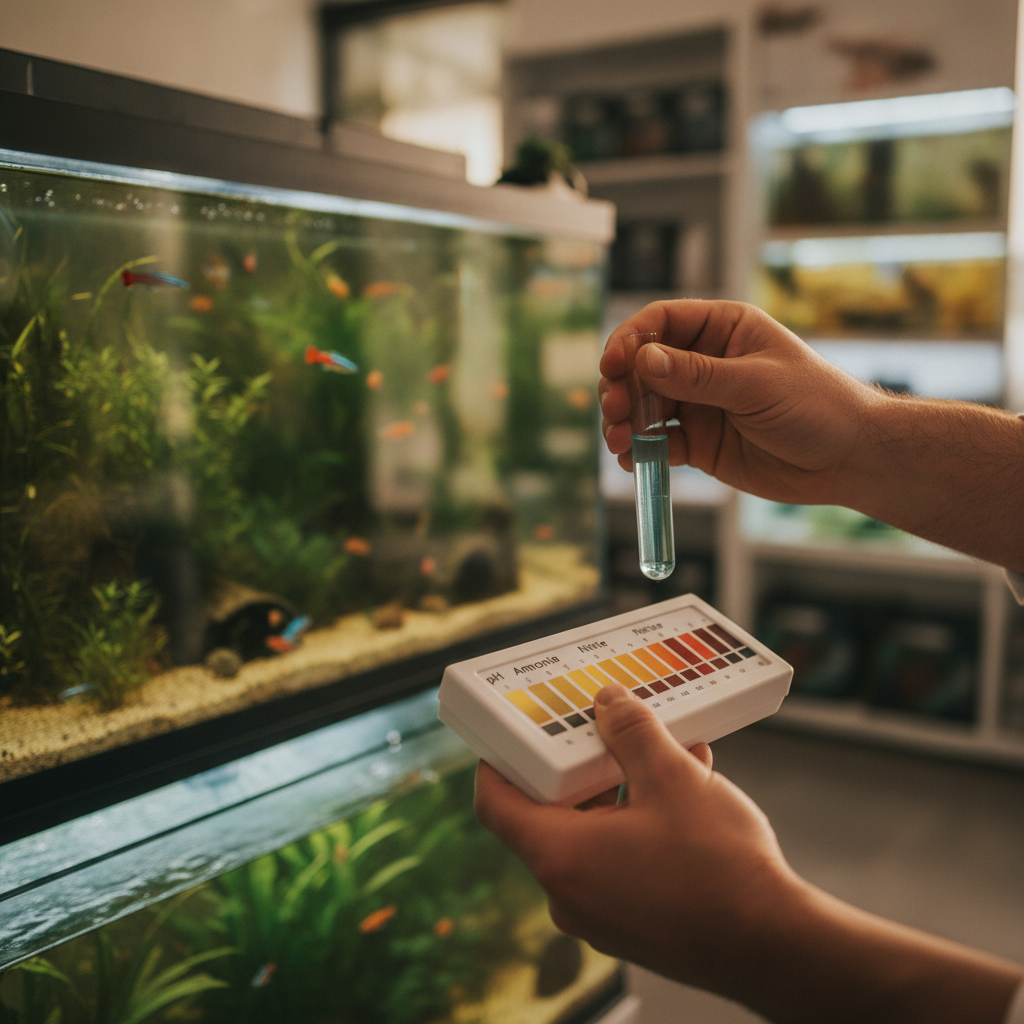
- Liquid ammonia and nitrite test kit: After a filter shutdown exceeding two hours, the biological filter may partially crash. Test daily for 72 hours after power returns. Test kits cost around ₱400 to ₱1,200.
- Dechlorinator: For emergency water changes using tap water.
- UPS (uninterruptible power supply): A small UPS (₱2,000 to ₱5,000) can keep a hang-on-back filter running for 30 to 60 minutes during brief brownouts.
Step-by-Step Outage Response
- Switch off lights, auto feeders, and any non-essential equipment.
- Activate the battery air pump immediately.
- Reduce feeding to once daily at half the normal portion. Less food means less ammonia.
- If the outage exceeds four hours and water temperature passes 33 °C, float a frozen bottle wrapped in cloth.
- When power returns, restart the filter first. Keep lights off for at least an hour to reduce fish stress.
- Test ammonia and nitrite daily for three days after any outage lasting more than two hours.
Seasonal Maintenance Calendar for the Philippines
The Philippine climate calendar differs from the Northern Hemisphere template used in most guides. The key periods are: tag-init (dry, hot: March to May), tag-ulan (wet, typhoon: June to November), and tag-lamig (cool, dry: December to February).
March to May: Peak Heat Season
- Record baseline water parameters (ammonia, nitrite, nitrate, pH, TDS, temperature) during the first week of March.
- Install and test the cooling solution. Confirm it maintains target temperature during the hottest part of the afternoon (typically 1:00 to 4:00 PM).
- Inspect electrical connections and replace frayed cables before the heat intensifies.
- Perform 20 to 25 percent water changes weekly or biweekly. Increase frequency if TDS climbs more than 20 percent above baseline.
- Reduce the lighting period to six hours daily to limit heat from the fixture and slow algae growth.
June to November: Wet and Typhoon Season
- Test the emergency kit at the start of June: run the battery air pump for ten minutes, check battery supply, confirm frozen bottles are in the freezer.
- Inspect the tank room for potential flood entry points. Elevate power strips and cables.
- Continue 20 to 25 percent water changes every one to two weeks.
- Increase surface agitation by angling the filter outflow upward or adding a secondary airstone. Warm, humid conditions reduce dissolved oxygen.
- After any typhoon-related outage, follow the step-by-step outage response above and test water parameters daily for 72 hours.
December to February: Cooler Months
- In many Philippine locations, overnight temperatures can dip to 22 to 25 °C during January and February, especially in elevated areas like Baguio or Tagaytay. Ensure the heater thermostat is set to the species' minimum comfort temperature (typically 26 to 28 °C).
- Gradually extend the lighting period back to eight hours if it was reduced during tag-init.
- Perform a deep clean: siphon the substrate, clean the filter impeller, and scrub algae from glass panels.
- Review and restock the emergency kit for the coming year.
Regulations and Responsible Fishkeeping
The Bureau of Fisheries and Aquatic Resources (BFAR) regulates the import and trade of certain aquatic species in the Philippines. While most common freshwater aquarium fish are legal to keep, some species (particularly certain plecos and snakeheads) may have import restrictions. Always purchase from reputable dealers who can confirm legal sourcing. The Philippine Animal Welfare Act (Republic Act No. 8485, as amended by RA 10631) applies to all animals in captivity, including fish, and requires that they be kept in conditions that meet their basic needs.
Emergency Contact Information
If fish display acute distress (mass gasping at the surface, erratic swimming, or sudden deaths), take these immediate steps:
- Perform a 25 percent water change with temperature-matched, dechlorinated water.
- Maximise surface agitation using an airstone or by lowering the water level slightly below the filter outflow.
- Contact a local aquatics specialist or reach out to established Filipino fishkeeping communities on social media for species-specific guidance.
[LOCAL_VET_EMERGENCY_en-ph]
For further reading on managing aquarium costs and sustainability, see Cut Your Aquarium's Energy and Water Waste in 2026.
Frequently Asked Questions
Do clip-on fans work for aquarium cooling in the Philippines? ↓
What fish species can survive without a chiller in Philippine weather? ↓
How do I protect my fish tank during a typhoon or brownout? ↓
Is it legal to keep aquarium fish in the Philippines? ↓
How often should I change aquarium water during Philippine summer? ↓

Tom Ashford
Pet Safety & Home Consultant
Pet safety and home-proofing specialist — systematic hazard prevention and emergency preparedness for pet owners.
Content Disclosure
This article was created using state-of-the-art AI models with human editorial oversight. It is intended for informational and entertainment purposes only and does not constitute veterinary medical advice. Always consult a licensed veterinarian for your pet's specific health needs. Learn more about our process.