Shaving a double-coated dog can cause permanent coat damage, increase sunburn risk, and actually make your dog hotter. Learn the science behind thermoregulation and safer cooling alternatives.
Key Takeaways
- A double coat acts as insulation against both heat and cold; shaving removes this natural temperature regulation system.
- Shaved double coats may never regrow correctly, leading to a condition sometimes called "post-clipping alopecia."
- Shaving exposes pale, thin skin to UV radiation, significantly increasing sunburn and skin cancer risk.
- Regular brushing, proper hydration, shade access, and cooling mats are safer, more effective alternatives.
- If a dog is overheating despite a full coat, veterinary evaluation is recommended to rule out underlying conditions.
The Double Coat: What It Is and Why It Matters
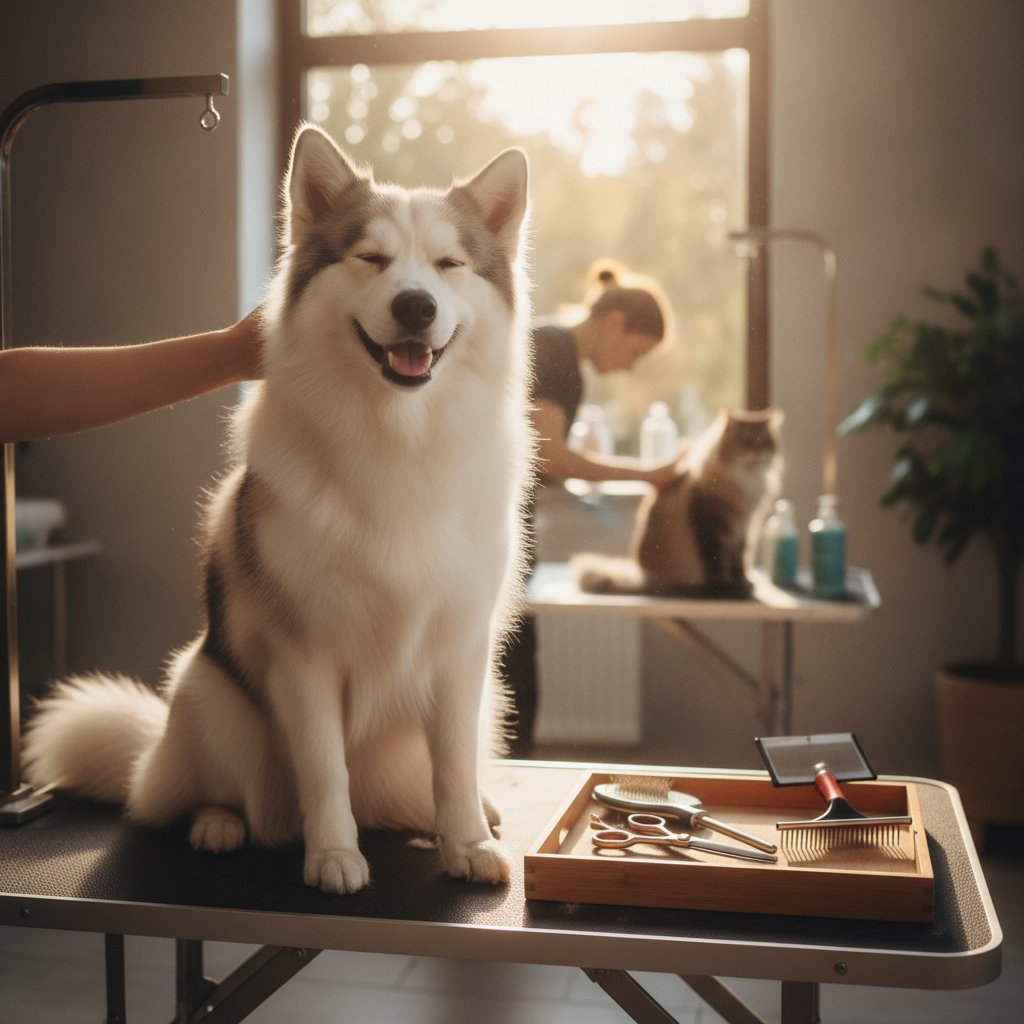
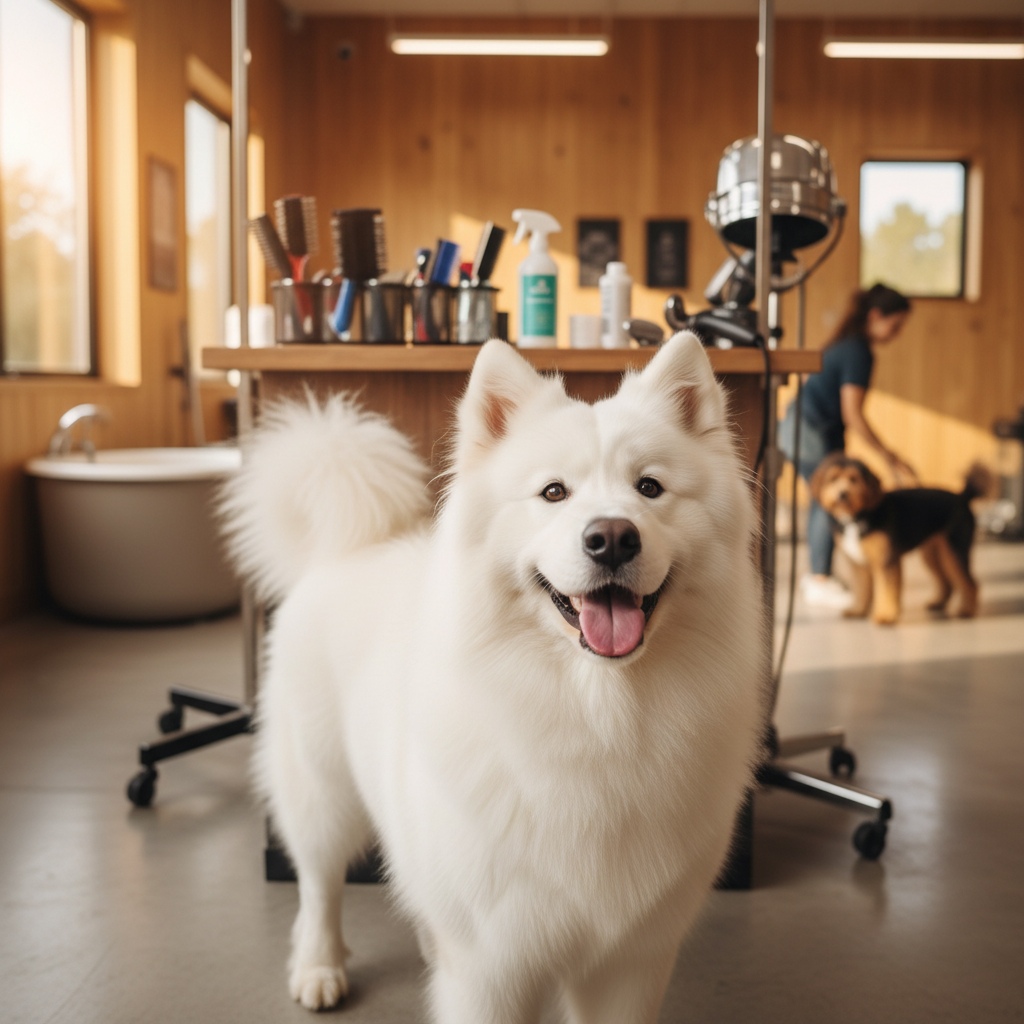
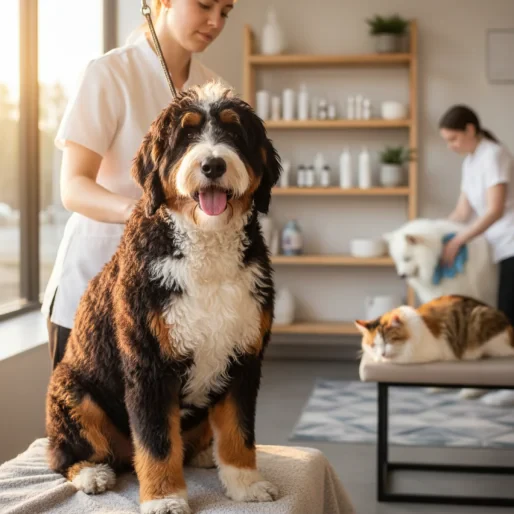
Breeds like Golden Retrievers, Huskies, German Shepherds, Australian Shepherds, Samoyeds, Bernese Mountain Dogs, and Pomeranians all share a common trait: a double coat. This coat structure consists of two distinct layers, each serving a specific function.
The undercoat is a dense, soft, fluffy layer that sits close to the skin. It traps air against the body, creating a layer of insulation. In winter, this trapped air retains body heat. In summer, it works in the opposite direction, buffering the dog from external heat and helping to maintain a stable core temperature.
The topcoat (also called guard hairs) is made of longer, coarser hairs that repel water, block UV radiation, and protect against physical irritants such as insects, thorns, and debris. Together, these two layers form a remarkably efficient thermoregulation system.
How Canine Thermoregulation Actually Works
Understanding why shaving is counterproductive requires a basic grasp of how dogs manage body temperature. Unlike humans, dogs do not cool themselves primarily through sweating across their skin surface. Dogs have very few eccrine (sweat-producing) glands, and those are limited mostly to the paw pads.
Instead, dogs rely on three main cooling mechanisms:
- Panting: Evaporative cooling through the mouth and respiratory tract is the primary method. As a dog pants, moisture on the tongue and airways evaporates, drawing heat away from the body.
- Vasodilation: Blood vessels near the skin surface dilate, allowing warm blood to release heat through radiation, particularly in areas with less fur (ears, belly).
- Conduction: Dogs lie on cool surfaces to transfer body heat directly to the ground.
The double coat supports these mechanisms by preventing external heat from reaching the skin. Think of it like the insulation in a home: the same material that keeps heat inside during winter keeps heat outside during summer. Removing this insulation (shaving) allows ambient heat to reach the skin directly, forcing the dog's body to work harder to cool down.
The Air Layer Principle
The undercoat creates a microclimate of still air between the skin and the outer environment. This air layer acts as a thermal buffer. According to principles well established in veterinary dermatology, this trapped air significantly reduces the rate of heat transfer from the environment to the skin. When the coat is shaved, this air layer is destroyed, and the skin is exposed to direct solar radiation and ambient heat.
What Happens When You Shave a Double Coat
Disrupted Hair Growth Cycles
Double-coated breeds have a complex hair growth cycle. The undercoat and topcoat grow at different rates and have independent growth phases (anagen, catagen, telogen). When a double coat is shaved, both layers are cut to the same length simultaneously, disrupting their natural growth pattern.
In many cases, the undercoat (which grows faster) returns first and dominates, while the guard hairs grow back slowly, unevenly, or sometimes not at all. This results in a coat that is:
- Patchy and uneven in texture
- Softer and more "cottony" than the original coat
- Less effective at repelling water and blocking UV rays
- More prone to matting, which further complicates grooming
Post-Clipping Alopecia
Veterinary dermatologists recognise a condition known as post-clipping alopecia, in which hair fails to regrow normally after clipping or shaving. While the exact mechanism is not fully understood, it is observed most frequently in certain breeds, particularly Nordic and Arctic types like Huskies, Malamutes, and Samoyeds. The condition can persist for months or, in some documented cases, years. Some dogs never fully recover their original coat texture.
This is not merely a cosmetic issue. A permanently altered coat provides less protection from both temperature extremes and UV radiation for the remainder of the dog's life.
Increased Sunburn and Skin Cancer Risk
The topcoat blocks a significant portion of ultraviolet radiation. Shaving removes this protection entirely, exposing the pale, thin skin underneath to direct sunlight. Dogs with light or pink skin are especially vulnerable.
Canine sunburn (solar dermatitis) presents as reddened, inflamed skin that may blister or peel. Chronic UV exposure can lead to actinic keratosis (precancerous skin changes) and, in severe cases, squamous cell carcinoma, a form of skin cancer. The nose, ear tips, and dorsal trunk are particularly vulnerable areas. Veterinary oncology guidelines from the AVMA recognise UV exposure as a contributing factor in certain canine skin cancers.
For dogs being transported in warm months, additional skin protection becomes even more critical. Owners planning warm weather travel should also review guidance on air pet relocation in heat to minimise compounding stress factors.
Common Myths About Shaving Double-Coated Dogs
Myth: "Shaving helps dogs stay cooler in summer"
As explained above, the double coat insulates against external heat. Shaving actually removes this barrier and can cause the dog's core temperature to rise faster in hot environments. Professional veterinary consensus, including guidance from the AVMA, does not support shaving as a cooling strategy for double-coated breeds.
Myth: "The coat will just grow back normally"
While some dogs do regrow a relatively normal coat after one shaving, many do not. The risk of permanent texture change, patchiness, or post-clipping alopecia is real and well documented in veterinary dermatology literature. There is currently no reliable way to predict which dogs will recover fully and which will not.
Myth: "Shaving reduces shedding"
Shaving does not reduce shedding. The hair growth cycle continues regardless. The shed hairs are simply shorter, often making them harder to clean because they embed in fabrics and carpets more stubbornly than longer hairs.
Myth: "My dog seems happier after being shaved"
Owners commonly report that their dog appears more comfortable immediately after shaving. However, this initial relief is likely related to the removal of matted, poorly maintained undercoat rather than the shave itself. Regular brushing achieves the same result without the risks.
What to Do Instead: Evidence-Based Cooling Strategies
Keeping a double-coated dog comfortable in summer does not require shaving. The following strategies are supported by veterinary guidelines and practical experience across grooming and veterinary professions.
1. Regular, Thorough Brushing
The single most effective grooming intervention is removing loose undercoat through regular brushing. Dead undercoat traps heat, reduces airflow, and can form mats that pull on the skin. Using an undercoat rake or deshedding tool (following the manufacturer's instructions to avoid damaging the topcoat) restores the coat's natural ability to regulate temperature.
During peak shedding season (typically spring and early summer), daily brushing sessions may be necessary. Professional grooming every 6 to 8 weeks is also beneficial. For dogs with seasonal skin sensitivities that complicate grooming, guidance on managing spring allergy flare-ups may also be helpful.
2. Provide Constant Access to Fresh Water and Shade
Dehydration accelerates overheating. Dogs should have continuous access to clean, cool water, especially during outdoor activity. Shade (natural or provided via a canopy or covered area) reduces direct solar heat exposure significantly.
3. Cooling Mats and Elevated Beds
Cooling mats use gel or pressure-activated technology to draw heat away from the body. Elevated mesh beds promote airflow beneath the dog, enhancing conductive and convective cooling. Both are widely available and recommended by veterinary professionals as safe summer accessories.
4. Limit Exercise During Peak Heat
Veterinary guidelines consistently recommend avoiding strenuous exercise during the hottest hours of the day (typically 10 a.m. to 4 p.m.). Early morning and evening walks are preferable. This applies to all dogs but is especially important for heavy-coated breeds, brachycephalic breeds, senior dogs, and dogs with cardiovascular conditions.
For active dogs who enjoy physical challenges, consider shifting activities like garden agility courses to cooler parts of the day.
5. Offer Swimming Opportunities (With Caution)
Swimming is an excellent low-impact cooling activity for many double-coated breeds. However, the coat must be thoroughly dried afterward to prevent moisture from becoming trapped against the skin, which can lead to bacterial or fungal skin infections ("hot spots"). Dogs recovering from surgery or injury should follow specific rehabilitation protocols; hydrotherapy guidelines offer structured approaches for those cases.
6. Use a Damp (Not Soaking) Towel
Placing a cool, damp towel over the dog's body (particularly the belly and inner thighs where blood vessels are close to the surface) provides short-term evaporative cooling. Avoid ice-cold water, which can cause peripheral blood vessel constriction and paradoxically trap heat in the core.
7. Consider a Professional "Summer Trim" (Not a Shave)
A professional groomer experienced with double-coated breeds can perform a light trim that tidies the coat and improves airflow without cutting into the undercoat. This typically involves neatening the feathering on legs, belly, and tail, and trimming around the paw pads. This is fundamentally different from shaving and does not carry the same risks.
When to See a Veterinarian
Certain situations require professional evaluation rather than home management:
- Signs of heatstroke: Excessive panting, drooling, lethargy, vomiting, staggering, or collapse. This is a medical emergency requiring immediate veterinary care.
- Persistent skin redness or lesions after sun exposure: These may indicate solar dermatitis or early skin cancer and need professional diagnosis.
- Coat that has not regrown months after shaving: A veterinary dermatologist can evaluate for post-clipping alopecia and rule out endocrine conditions such as hypothyroidism or Cushing's disease, which can independently affect coat growth.
- Chronic matting that cannot be resolved with brushing: In rare, extreme matting cases, partial clipping under veterinary or professional grooming supervision may be the most humane option. This should be a last resort, not a routine practice.
When visiting a veterinarian about coat or skin concerns, helpful questions to ask include: "Could an underlying health condition be affecting coat quality?" and "What breed-specific grooming protocol do you recommend for summer?"
Additionally, dogs with allergy-related skin conditions that worsen in warm months may benefit from dietary support. Guidance on feeding dogs with spring allergies covers nutritional strategies that support skin and coat health.
Breeds Most Affected
While this guidance applies broadly to all double-coated breeds, the following are among the most commonly shaved (and most at risk for complications):
- Siberian Husky and Alaskan Malamute
- Golden Retriever and Labrador Retriever
- German Shepherd
- Australian Shepherd
- Samoyed
- Bernese Mountain Dog and Great Pyrenees
- Pomeranian and Keeshond
- Shetland Sheepdog and Rough Collie
- Chow Chow
- Newfoundland
Single-coated breeds (such as Poodles, Maltese, and Yorkshire Terriers) have a different coat structure and can be clipped without the same risks. Understanding which coat type a dog has is essential before making any grooming decisions.
A Note on Professional Grooming Communication
Pet owners should communicate clearly with groomers about their expectations. Requesting a "summer cut" without specifying that the undercoat should not be shaved can sometimes lead to misunderstandings. Using specific language, such as "deshed and trim only, no clipping to the skin," helps ensure the coat is managed safely. Pet-sitting professionals and daycare staff should also be aware of these distinctions when managing grooming schedules for client dogs.
Owners interested in maintaining comprehensive care plans, including those covering grooming and veterinary costs, may want to explore whether employer pet insurance options offer relevant coverage.
Frequently Asked Questions
Will a double coat grow back after shaving? ↓
How do double-coated dogs stay cool without shaving? ↓
Is it ever acceptable to shave a double-coated dog? ↓
What is the difference between a summer trim and a shave for dogs? ↓
Can shaving a dog cause sunburn? ↓
Dr. James Harrington
Veterinarian & Pet Health Writer
Veterinarian and health writer — translating complex medical topics into clear, actionable guidance for pet owners.
Content Disclosure
This article was created using state-of-the-art AI models with human editorial oversight. It is intended for informational and entertainment purposes only and does not constitute veterinary medical advice. Always consult a licensed veterinarian for your pet's specific health needs. Learn more about our process.