Alabama Rot (CRGV) is a concern for dog owners during wet seasons. Learn the specific hygiene routines, paw-check rituals, and walking strategies that minimize risk while keeping your dog active.
The Muddy Walk Dilemma: Balancing Activity with Safety
As a canine fitness practitioner, I spend my life advocating for outdoor activity. Whether it is conditioning on a hillside or a long decompression walk in the woods, movement is medicine. However, the emergence of Cutaneous and Renal Glomerular Vasculopathy (CRGV), commonly known as Alabama Rot, has introduced a layer of anxiety to our winter and spring adventures. It is a rare but serious condition, and the uncertainty surrounding its exact cause makes it all the more frightening for dedicated pet parents.
My approach to CRGV is not one of panic, but of disciplined hygiene and observation. While the veterinary community continues to research the definitive cause, the consensus points toward environmental triggers found in muddy, woodland areas during cooler months. This means we do not have to stop walking, but we do need to upgrade our post-walk routines from a quick towel-dry to a comprehensive wellness protocol.
In this guide, I will walk you through the preventive habits I recommend to all my clients. These are not just about cleanliness; they are about maintaining the integrity of your dog's skin barrier and catching potential issues the moment they arise.
Key Wellness Takeaways
- Wash, Don't Just Wipe: Rinse mud off completely using lukewarm water immediately after woodland walks.
- Daily Paw Patrol: Inspect paws, legs, and bellies for unexplained sores, redness, or lesions.
- Know the Season: CRGV cases peak between November and May; be hyper-vigilant during these months.
- Route Rotation: Consider swapping muddy woodland trails for well-drained surfaces like tarmac or beaches during outbreaks.
- Immediate Action: If you see a skin lesion on an otherwise healthy dog, consult your vet immediately.
Understanding the Risk Environment
To practice prevention, we must understand the environment. CRGV is distinct because it attacks both the skin and the kidneys. The prevailing theory suggests a toxin or bacterium present in the soil enters the dog's system, likely through the skin. This is why the condition is colloquially linked to "muddy walks."
The danger zone is typically defined by:
- Seasonality: Late autumn through early spring (when the ground is wet and cold).
- Terrain: Muddy woodlands are the primary suspect, though cases have occurred elsewhere.
- Stagnant Water: Avoid allowing dogs to drink from or wallow in muddy puddles.
If you live in an area with confirmed cases, your route selection becomes your first line of defense. Just as we discuss in Desert Walking: Maximizing the Last of the Mild Weather with Your Dog, choosing the right terrain is crucial for safety. In this context, it means potentially sacrificing the soft forest floor for the safety of paved paths or sandy beaches during peak risk months.
The "Post-Walk Spa": A Mandatory Ritual
The single most important habit you can form during CRGV season is the post-walk wash. This is not about vanity; it is a decontamination protocol. Many owners make the mistake of letting the mud dry and brushing it off later. From a wellness perspective, this potentially leaves the pathogen in contact with the skin for hours.
1. The Lukewarm Rinse
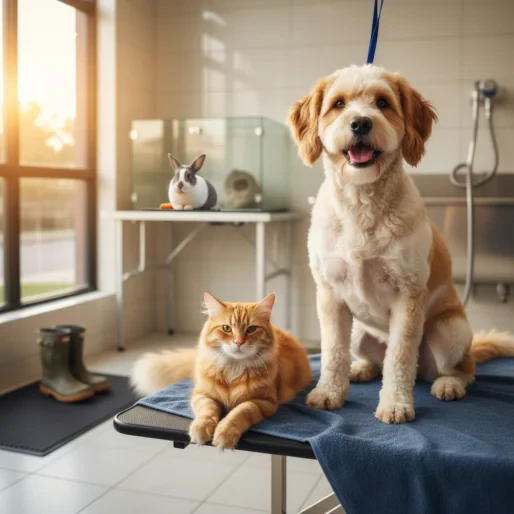
Immediately upon returning home, wash your dog's paws, legs, and underbelly. Use lukewarm water. Cold water can be shocking to a dog that has been exercising, and hot water can strip natural oils, leading to dry skin, a concept I touch on regarding paw health in Paw Care During The Big Thaw: Salt, Ice, and Mud Protection. The goal is to remove every trace of organic matter.
2. Inspecting the Interdigital Spaces
As you wash, you must actively inspect. The "interdigital" spaces (the webbing between the toes) are prime locations for hidden thorns, cuts, or the early lesions of Alabama Rot. Spread the toes gently and flush out any grit. This mechanical cleaning is vital.
3. Drying and Barrier Health
Moisture trapped against the skin creates an environment for bacteria and yeast, as noted in Humidity and Hounds. Thoroughly dry your dog with a clean towel. This is also the perfect moment to check for ticks, which start becoming active in early spring, as detailed in Early Spring Tick Strategies. A dry paw is a healthy paw.
Recognizing the Symptoms: Early Detection
The terrifying aspect of Alabama Rot is the speed at which it can progress from skin sore to kidney failure. As a wellness coach, I train owners to be observant. You are looking for things that "don't belong."
The Skin Lesion
The hallmark sign is a skin lesion, ulcer, or sore that appears without a known injury. These often manifest as:
- Circular areas of red, raw skin.
- Patches that look like a burn or a sting.
- Swelling or hair loss around the lower legs, paws, stomach, or face.
If you spot a sore and you know your dog hasn't cut themselves on a rock or fence, treat it as a medical emergency. Do not wait and see.
Systemic Signs (Kidney Involvement)
If the toxin affects the kidneys, the dog will show signs of renal distress. These include:
- Lethargy: A sudden drop in energy or refusal to walk.
- Vomiting: Often repeated and severe.
- Anorexia: Refusing food, even high-value treats.
- Polyuria/Polydipsia: Excessive drinking and urinating, or conversely, stopping urination entirely.
Similar to the urgent response required for Pine Processionary Caterpillar contact or snakebites, CRGV requires immediate veterinary intervention. The earlier the supportive treatment for kidneys begins, the better the prognosis.
Building a Resilient Dog: Immunity and Skin Health
While we cannot vaccinate against Alabama Rot yet, we can ensure our dogs are in peak condition to handle environmental stressors. A dog with a compromised immune system or cracked, unhealthy skin is naturally more vulnerable to pathogens.
Nutrition and Skin Barrier
Omega-3 fatty acids are essential for maintaining a strong skin barrier. Ensure your dog's diet is rich in quality proteins and appropriate fats. Hydration is equally important; a well-hydrated dog has more elastic, resilient skin.
Vector Awareness
While CRGV is mud-borne, maintaining a broad awareness of environmental vectors is part of holistic prevention. Just as we manage the risks of sandflies in Leishmaniasis Vector Control, we must manage the risk of mud. This mindset of "environmental vigilance" is what separates a casual walker from a proactive pet guardian.
Summary: Action Over Anxiety
Alabama Rot is frightening, but it is also rare. Do not let fear paralyze your fitness routine. Instead, adapt it. Trade the deep woods for the beach or pavement during high-risk weeks. Commit to the post-walk wash as a non-negotiable part of your schedule.
By treating the clean-up as seriously as the exercise itself, you provide your dog with the best possible protection. Stay active, stay muddy (if you must), but above all, stay clean and vigilant.
Frequently Asked Questions
Can washing my dog prevent Alabama Rot? ↓
What does an Alabama Rot sore look like? ↓
Is Alabama Rot only found in woodlands? ↓
Can I still walk my dog in the woods during winter? ↓

Lena Voss
Pet Wellness & Lifestyle Coach
Pet wellness and lifestyle coach — proactive fitness, weight management, and preventive care for healthier, happier pets.
Content Disclosure
This article was created using state-of-the-art AI models with human editorial oversight. It is intended for informational and entertainment purposes only and does not constitute veterinary medical advice. Always consult a licensed veterinarian for your pet's specific health needs. Learn more about our process.