A Singapore specific guide to building calm carrier and car habits in a tropical climate, with HDB friendly steps and AVS aligned care notes. Two weeks of structured desensitisation can transform veterinary trips for resident cats.
Key Takeaways
- Plan a minimum two week window of short, daily sessions to build neutral or positive carrier associations in Singapore's warm, humid indoor environment.
- Leave the carrier out as permanent furniture in your HDB flat or condo unit, not as an object that only appears before vet day.
- Pair every step with high value food and synthetic feline facial pheromone analogues to support a calmer emotional state.
- Pre cool the car, choose early morning or evening appointments, and never leave a cat in a parked vehicle, even for a minute, in Singapore's year round 30 to 33 °C heat.
- Keep AVS paperwork ready: microchip number, licence details under the Cat Management Framework, and vaccination records for any veterinary visit.
- Bring in a certified professional (IAABC CCBC, Fear Free Certified Professional, or a Singapore Veterinary Association member clinic with feline behaviour interest) if the cat shows panic, aggression, or shutdown.
Why Carrier Aversion Is Different in Singapore
Cats are obligate territorial animals whose safety depends on predictable scent, sound, and visual landmarks. A carrier strips these away in seconds. In a Singapore HDB flat or condominium, the cat then travels through a corridor with neighbour scents, a lift, a covered walkway, and finally a hot vehicle interior or a Grab Pet ride. Each of these layers adds sensory load that an indoor only cat rarely meets between vet visits.
Layered onto this is the tropical climate. With ambient outdoor temperatures consistently between 26 and 34 °C and relative humidity often above 80 percent, a cat may already be near its thermal comfort ceiling before any travel begins. Veterinary heat guidance from professional bodies including the World Small Animal Veterinary Association (WSAVA) and the Singapore Veterinary Association (SVA) consistently highlights that brachycephalic cats such as Persians, Exotic Shorthairs, and Scottish Folds are especially vulnerable to heat stress during transit.
Common Stress Signs to Watch For
- Crouched posture, tucked tail, flattened ears
- Excessive vocalisation, hissing, or sudden silence
- Dilated pupils and rapid blinking
- Drooling, panting, or open mouth breathing (always abnormal in cats at rest)
- Urination or defecation inside the carrier
- Refusal to eat treats they normally accept
Local Regulations Worth Knowing Before You Travel
The Animal and Veterinary Service (AVS), a cluster of the National Parks Board, regulates pet ownership in Singapore. Since the Cat Management Framework rollout, cats kept in HDB flats are subject to licensing requirements, with mandatory microchipping and a cap on the number of cats per household. Private property owners follow related AVS rules. Before any clinic visit, confirm that:
- The cat is microchipped and the chip number matches AVS records.
- Core vaccinations (typically feline panleukopenia, calicivirus, and herpesvirus, with rabies usually only required for export) are current.
- The licence is active and the unique identifier is accessible on your phone.
Most clinics, whether independent practices in Tiong Bahru and Bukit Timah or larger group practices across the island, will request these details on intake. Having them ready reduces handling time and lowers the cat's exposure to a crowded waiting room.
Choosing the Right Carrier for a Tropical Climate
A hard sided carrier with a top opening and a front door remains the most widely recommended choice. In Singapore's humidity, ventilation matters even more than in temperate climates. Look for a model with mesh panels on at least two sides, smooth interior surfaces that can be wiped down after a rainy day, and secure latches that will not pop open if you are caught in a sudden Sumatra squall on the way to the carpark.
What to Have Ready
- One hard sided carrier with a non slip liner
- A soft fleece or worn t shirt carrying your scent
- Synthetic feline facial pheromone spray or wipes (apply 15 to 20 minutes before use so the alcohol carrier can evaporate)
- Pea sized, high value treats: lickable purees, freeze dried protein, or a spoon of regular wet food
- A clicker or a consistent verbal marker word
- A printed or digital training log
- A light, breathable towel for partial covering and for absorbing rain on transfer
- A small bottle of cool water for longer journeys
Timing Sessions Around Weather and Routine
Train when the cat is naturally calm and slightly hungry, ideally before a meal. Keep early sessions to two to five minutes in a quiet room with no other pets present. Late morning and mid afternoon are often the warmest periods indoors, especially in west facing HDB units without continuous air conditioning, so aim for sessions in the cooler early morning or evening when natural ventilation is better.
The Two Week Plan, Adapted for Local Living
The plan below applies LIMA principles (Least Intrusive, Minimally Aversive) endorsed by international bodies such as the IAABC and CCPDT. Move forward only when the cat is relaxed at the current stage. If stress signals appear, drop back one step.
Days 1 and 2: Carrier as Furniture
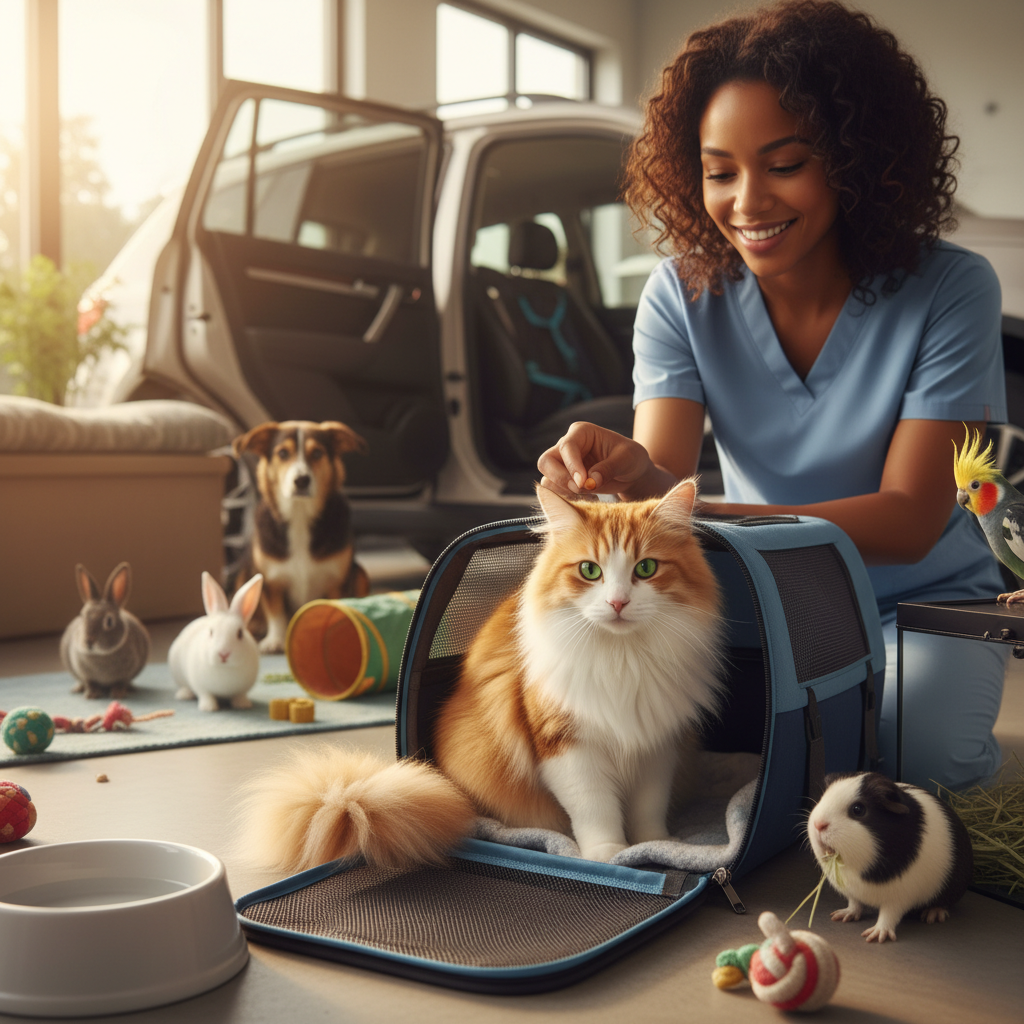
Place the carrier in a frequently used area of the flat, away from the kitchen wok station and the aircon compressor's airflow. Drape a familiar blanket over the back third to create a covered den. Scatter a few treats around and inside the entrance every few hours. Allow voluntary exploration without calling the cat.
Days 3 and 4: Feeding Near and Inside
Move the cat's regular meals progressively closer to, then just inside, the carrier opening. By the end of day 4, the bowl can sit at the back of the carrier. Apply pheromone spray to the bedding once daily. If the cat hesitates, return the bowl to the previous successful position rather than coaxing.
Days 5 and 6: Reattaching the Door
Reattach the door but secure it open so it cannot swing. Add brief reps where a treat is tossed in, the cat enters, and a marker is delivered as it eats. Practise five to eight reps twice daily.
Days 7 and 8: Closing the Door
While the cat eats inside, close the door for one to two seconds, then open it before the cat finishes. Build gradually to 10, then 30 seconds. Deliver lickable treats through the door if needed. If the cat freezes or vocalises, shorten the duration immediately.
Days 9 and 10: Lifting and Carrying
With the door closed, lift the carrier two to five centimetres off the ground for one second. Set it down and open the door. Progress to a slow walk across the room, then through the flat, then a short loop in the corridor outside your unit. Lift access for HDB residents introduces vibration and beeps the cat has rarely heard; one or two lift trips that end back at home help defuse that sound chain.
Days 11 and 12: Car or Grab Pet Without Driving
If you own a vehicle, run the air conditioning for at least 10 minutes before loading the carrier and confirm seat surfaces are not hot to the touch. Secure the carrier with a seatbelt on the rear seat or in a footwell. Sit with the cat for two to five minutes, deliver treats, then return indoors. For households without a car, simulate a Grab Pet pickup by carrying the cat to the void deck or lobby, sitting calmly for a few minutes, then returning upstairs.
Days 13 and 14: Short Drives
Begin with a 60 to 90 second drive around the estate. On day 14, extend to a five minute drive that ends back at home, not at a clinic. The aim is to break the conditioned chain that says car equals vet. Two or three neutral trips before the first real veterinary appointment are widely advised.
Pre Visit Calming for a Tropical Vet Trip
Travel logistics matter as much as training when ambient temperatures sit above 30 °C nearly every day of the year. Heat safety guidance from AVS and SPCA Singapore consistently emphasises that vehicle interiors can exceed dangerous thresholds within minutes, even with windows cracked.
- Book early morning or evening appointments to reduce heat exposure on the journey.
- Pre cool the car for at least 10 minutes before loading the carrier.
- Withhold food for two to three hours before travel to reduce motion sickness risk, unless your veterinarian advises otherwise.
- Cover three sides of the carrier with a light, breathable towel to reduce visual stress while preserving airflow.
- Plan for rain: keep a large umbrella and a plastic carrier cover in the car or by the door, since Singapore showers are intense and short.
- Never leave the cat in a parked vehicle, even for a minute. In local conditions this can be life threatening very quickly.
- Discuss situational anxiolytics with your veterinarian for cats with severe travel fear. Only a licensed Singapore registered veterinarian can prescribe and dose these medications.
For after hours emergencies, save a 24 hour clinic contact in your phone before you need it: [LOCAL_VET_EMERGENCY_en-sg]. Avoid driving to an unfamiliar clinic during a thunderstorm with a panicking cat; route planning during the calm sessions of days 13 and 14 reduces stress for everyone.
A Daily Training Log Template
A written log turns subjective impressions into a usable record. Track these fields each day:
- Date and time of session
- Ambient temperature indoors and in the vehicle, in °C
- Stage of the plan (e.g., Day 7, door closed 10 seconds)
- Cat's body language on entry, during, and on exit
- Treats accepted or refused
- Pheromone applied (yes or no, time of application)
- Duration of session in minutes and seconds
- Notes: vocalisation, elimination, drooling, hiding afterwards
- Next session adjustment: stay, advance, or drop back
Common Mistakes Singapore Owners Make
- Only producing the carrier before vet visits. This rebuilds the negative association faster than training can dismantle it.
- Forcing the cat inside. Flooding usually deepens fear and conflicts with LIMA standards.
- Using low value rewards. Daily kibble rarely competes with fear; reserve special foods for training.
- Skipping stages because progress looks fast. A relaxed posture on day 6 does not mean the cat will tolerate a closed door on day 7.
- Spraying pheromone directly on the cat. Apply only to surfaces and allow drying time.
- Underestimating humidity. A covered carrier in a non air conditioned car can heat up quickly even on an overcast morning.
Troubleshooting Slow Progress
If a cat plateaus, the most common cause is moving too quickly through a previous stage. Return to the last step at which the cat ate willingly and remained loose bodied, then rebuild over three to five sessions before advancing.
When the Cat Will Not Enter at All
Remove the door entirely. Try a different style (some cats prefer soft sided fabric, others a top loading hard shell). Place the carrier on its side so the entrance becomes a flat platform. Feed meals next to it for several more days before reattempting.
When the Cat Tolerates the Carrier but Panics in the Car
Decouple the steps. Spend extra sessions with the engine on but the vehicle stationary, then with reversing out of the parking lot only, then with a single block driven slowly. Persistent drooling or vomiting warrants veterinary review.
Multi Cat HDB Households
Train each cat separately in different rooms. Cats observing a stressed housemate can develop secondary fear through social learning. Use distinct carriers and bedding so scents do not cross over. In compact flats, a bathroom or service yard can serve as a temporary training space.
When to Bring in a Professional
Self directed training works for most cats with mild to moderate carrier aversion. Professional input is warranted when:
- The cat shows panic responses (frantic escape, self injury, loss of bladder control) at early exposure stages.
- Aggression is directed at handlers when the carrier appears.
- Two weeks of consistent work produces no measurable progress.
- The cat has a known condition such as cardiac disease, feline lower urinary tract disease, or chronic kidney disease.
- Veterinary care is urgent and cannot wait for a full programme.
Look for credentials such as IAABC Certified Cat Behavior Consultant, Karen Pryor Academy Certified Training Partner with feline experience, or veterinary behaviour referrals through clinics affiliated with the Singapore Veterinary Association. Fear Free Certified Professionals are trained in low stress handling protocols specifically designed for veterinary visits.
Patience is the single most important variable. A cat that walks calmly into a carrier on its own is the foundation of safer, less traumatic veterinary care for the rest of the animal's life in Singapore's demanding climate.
Frequently Asked Questions
How long should cat carrier training take for a Singapore indoor cat? ↓
Is it safe to use Grab Pet for taking my cat to the vet? ↓
Do I need to register my cat with AVS before a vet visit? ↓
What temperature is too hot for a car trip with my cat in Singapore? ↓
Which breeds in Singapore are most at risk during travel? ↓
Can I give my cat sedatives before a vet visit? ↓

Mark Sullivan
Certified Professional Dog Trainer
Certified professional dog trainer — positive-reinforcement methods for every breed and behavioural challenge.
Content Disclosure
This article was created using state-of-the-art AI models with human editorial oversight. It is intended for informational and entertainment purposes only and does not constitute veterinary medical advice. Always consult a licensed veterinarian for your pet's specific health needs. Learn more about our process.