As the festive season winds down in Singapore, from Christmas to Chinese New Year, discover expert strategies to help your dog transition from the chaos of celebrations back to a balanced, calm routine suitable for HDB and condo living.
Key Takeaways for a Successful Singapore Reset
- Manage the Heat and Routine: Re-align walking and feeding schedules to avoid the midday sun before tackling obedience.
- HDB-Specific Consistency: In high-density living, consistency is vital to prevent nuisance barking complaints during extinction bursts.
- Decompression in the Tropics: Post-festive cortisol spikes are exacerbated by heat. Prioritize air-conditioned rest or cool, shaded spots.
- Strict Management: Use baby gates and closed doors to prevent rehearsal of bad habits, especially important in open-plan flats.
Every year, as the festive marathon from Christmas through to Chinese New Year concludes, local veterinary clinics and trainers in Singapore receive the same distressed calls: "He was so well-behaved before the holidays, and now he is unmanageable."
It is not just you. The prolonged festive season in Singapore is a perfect storm for behavioral regression. Schedules are disrupted by late-night gatherings, rich foods like Bak Kwa are often slipped under the table by doting relatives, and the constant flow of visitors during open houses keeps animals in a state of high arousal. From a learning theory perspective, your dog has spent weeks receiving a variable ratio of reinforcement for behaviors you previously extinguished. They are not being stubborn; they are responding to a drastically changed environment.
As a professional trainer familiar with the unique constraints of Singapore's urban landscape, I approach the post-festive reset not as a punishment, but as a re-introduction to structure. Here is how we apply LIMA (Least Intrusive, Minimally Aversive) principles to get your household back in order, whether you live in a landed property, a condo, or an HDB flat.
1. The Physiology of the Reset: Heat, Humidity, and Cortisol
Before we ask for a "sit-stay," we must address the dog's physiological state. Festivals here are loud, chaotic, and often sleep-deprived events. A dog accustomed to 14-16 hours of sleep might have averaged significantly less due to late-night mahjong sessions or fireworks displays nearby.
Furthermore, Singapore's humidity plays a massive role. When a dog is chronically over-aroused and heat-stressed, their cortisol levels spike and can take up to 72 hours to return to baseline. A dog with elevated cortisol is jumpy, reactive, and incapable of learning effectively.
The Protocol
- Implement a Cool "Nap Schedule": For the first 3-5 days, enforce strict rest periods in a cool, ventilated room or an air-conditioned space. The heat makes recovery harder, so thermal comfort is non-negotiable.
- Reduce Sensory Input: Avoid high-traffic areas like East Coast Park or busy Park Connectors (PCNs) immediately. Opt for quieter void decks during off-peak hours or secluded patches of greenery where the dog can decompress through sniffing rather than interacting with other dogs.
2. Re-Teaching Independence (Separation Distress in High-Density Living)
The most common post-holiday issue we treat is separation anxiety. If you have been on leave and home for weeks, your sudden return to the office or a hybrid work schedule can trigger panic. In Singapore's high-density housing, this is critical because nuisance barking can lead to complaints to the HDB or management councils, and potentially AVS (Animal & Veterinary Service) involvement.
Desensitization Steps
Do not wait until Monday morning to leave the dog alone. Start immediately.
- The False Departure: Pick up your keys, put on your work shoes, and then sit down on the sofa to watch TV. Do this 10 times a day until the dog stops reacting to these cues.
- Micro-Absences: Step out into the corridor or lift lobby for 30 seconds. Return only when the dog is quiet. If they whine, you have pushed too far; reduce the time. In HDBs, ensure your neighbors are aware you are training to mitigate complaints.
- Safe Zones: Re-establish the value of their playpen or crate. A frozen Kong filled with pet-safe treats should only be available when you are not directly engaging with them.
3. The Begging Reset: Handling the Bak Kwa Hangover
Did a relative slip your dog a piece of Bak Kwa or a pineapple tart crust? Now you likely have a dog that wines or paws at you during dinner. In operant conditioning, we know that if a behavior (begging) was reinforced even once (getting a high-value treat), the dog will try much harder to get that result again.
When you stop feeding them from the table, expect an extinction burst. The behavior will get worse before it gets better. They will bark louder and paw harder. This is the critical moment: if you give in during a burst, you have effectively trained the dog that "persistence pays off."
Management Strategy
- Antecedent Arrangement: Prevent the behavior from happening by changing the environment. Use a baby gate to keep the dog out of the dining area or kitchen.
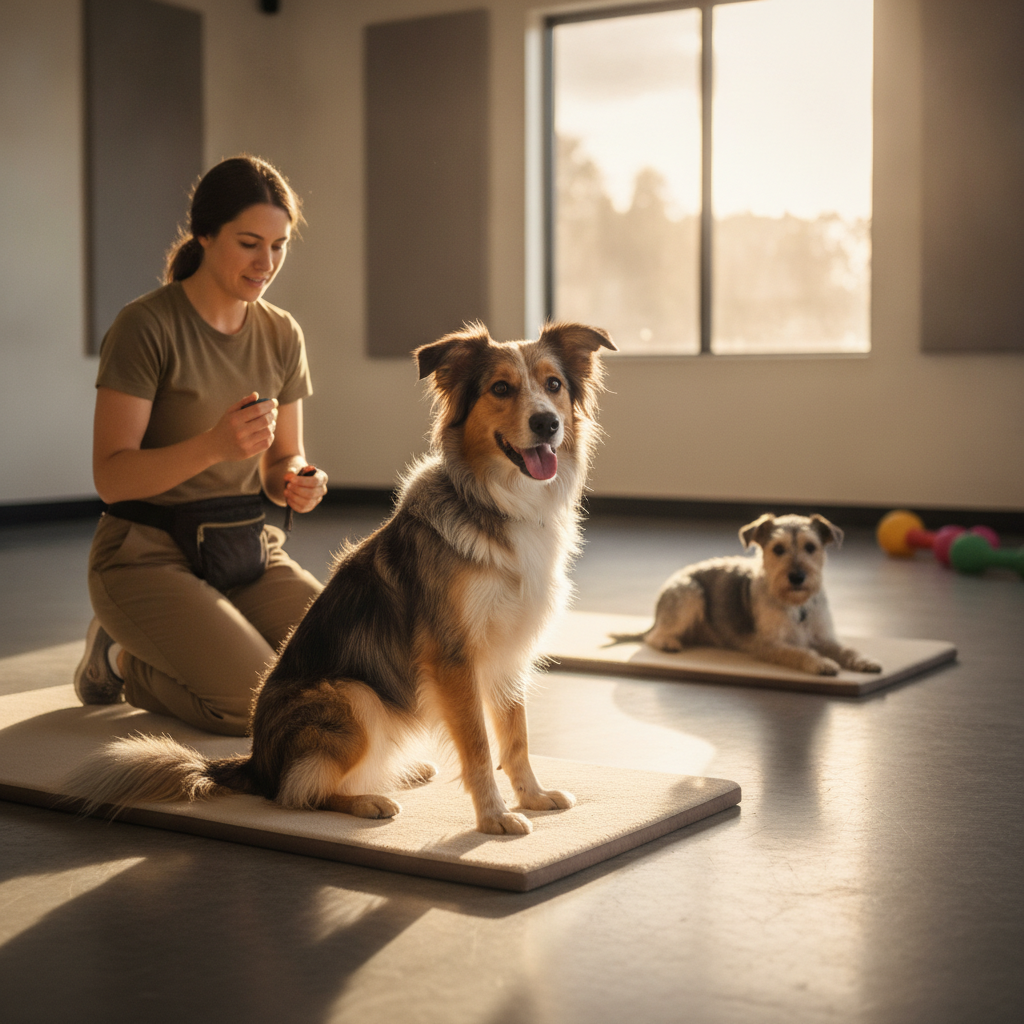
- The "Place" Cue: If the dog is in the room, reward them heavily for staying on their bed or a cooling mat. Initially, reward every 30 seconds to compete with the smell of local hawker delights or home-cooked meals.
4. Leash Manners and Wet Weather Walking
The festive season often coincides with the Northeast Monsoon, meaning shorter walks due to heavy rain. When regular walks resume, leash pulling is common. However, do not assume bad behavior is just "naughtiness." It is often discomfort or lack of conditioning.
Before demanding a perfect heel, check the environment. Singapore's pavement can reach scorching temperatures quickly after the rain stops. Always use the "five-second rule", place the back of your hand on the pavement; if you cannot hold it there for five seconds, it is too hot for your dog's paws.
The "Stop-Wait" Method on PCNs
If your dog pulls on the Park Connector, stop immediately. Do not yank the leash. Wait. The moment the leash tension slackens, mark it and move forward. You are teaching the dog that a loose leash is the only mechanism that unlocks forward motion. Be mindful of cyclists and PMDs; keeping your dog close is a safety necessity here, not just obedience.
5. Biological Needs: Diet and Tropical Health Checks
Sometimes behavior is a symptom of physical distress. The rich, fatty foods common during CNY (like Bak Kwa, which is extremely high in sugar and fat) can cause pancreatitis, a serious and painful condition that manifests as vomiting, lethargy, or irritability.
If your house-trained dog suddenly begins urinating indoors, a veterinary check is the first step to rule out UTIs or crystals. Once cleared medically, treat the issue like a puppy refresher course: take them out to their designated potty spot (grass patch or drain grate) every 2 hours and reward heavily.
Be mindful of the tropical environment. As you return to outdoor routines, remember that ticks and mosquitoes are a year-round threat in Singapore. Review your preventative care for heartworm and tick-borne fever. If your reset involves more nature walks in places like Coney Island or The Green Corridor, vigilance against heatstroke is paramount.
Call the Animal Recovery Centre (ARC) or your nearest 24-hour veterinary clinic.
Several clinics in Singapore offer 24-hour emergency services. The AVS (Animal & Veterinary Service) website lists all licensed clinics.
6. Mental Stimulation: The Rainy Day Backup
Physical exercise is great, but in our climate, mental work is the key to a calm dog, especially when the afternoon thunderstorms hit. A 15-minute training session indoors can be as tiring as a 45-minute walk in the humidity.
Use the "Work to Eat" protocol. Ditch the food bowl for two weeks. Feed all meals via:
- Puzzle toys (available at most local pet stores)
- Snuffle mats
- Training sessions (practicing sit, down, stay, place)
- Hide-and-seek games within the flat
This taps into the dog's seeking system, releasing dopamine and burning off the anxious energy accumulated during the chaotic holiday period without exposing them to heat stress.
When to Call a Professional
While most post-festive regression can be fixed with two weeks of strict routine, some behaviors require professional intervention. If you notice signs of true aggression, severe separation anxiety (self-injury, destruction of door frames), or obsessive-compulsive behaviors, please contact an AVS-accredited dog trainer or a veterinary behaviorist.
Remember, the goal is not a robot dog. The goal is a happy, confident companion who fits seamlessly into our dense urban society. Be patient, be consistent, and your dog will find their rhythm again.
Frequently Asked Questions
How do I stop my dog from barking when I return to work in an HDB? ↓
My dog ate Bak Kwa during CNY and is now vomiting, what should I do? ↓
Is it safe to walk my dog at noon in Singapore to tire them out? ↓
What is the AVS rule on dog training? ↓

Mark Sullivan
Certified Professional Dog Trainer
Certified professional dog trainer — positive-reinforcement methods for every breed and behavioural challenge.
Content Disclosure
This article was created using state-of-the-art AI models with human editorial oversight. It is intended for informational and entertainment purposes only and does not constitute veterinary medical advice. Always consult a licensed veterinarian for your pet's specific health needs. Learn more about our process.