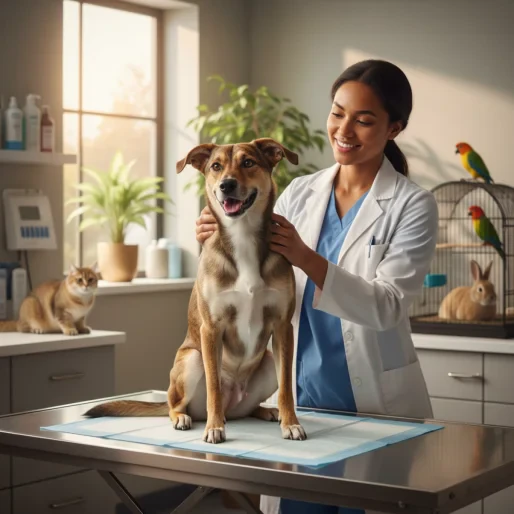
Dr. James Harrington explains the biological mechanisms behind canine atopic dermatitis and seasonal pollen allergies. Learn why your dog itches, how to distinguish atopy from other conditions, and the latest evidence-based treatments for long-term relief.
Understanding Canine Atopic Dermatitis: More Than Just an Itch
In my 15 years of clinical practice, few conditions cause as much frustration for both pet owners and their companions as seasonal allergies. Medically known as atopic dermatitis (or simply 'atopy'), this is not merely a nuisance; it is a complex, chronic inflammatory skin disease involving a genetic predisposition to develop allergic symptoms to environmental substances. Unlike humans, who often react to pollen with sneezing and runny eyes (hay fever), dogs react primarily through their skin.
The mechanism is fascinating and frustrating. In a healthy dog, the skin acts as a robust barrier, think of a brick wall where the skin cells are bricks and the lipid layers are the mortar. In atopic dogs, this barrier is genetically defective. The 'mortar' is often lacking essential lipids like ceramides, making the wall porous. This allows microscopic allergens, pollens from grasses, trees, and weeds, to penetrate the skin layers. Once inside, the immune system mistakes these harmless proteins for dangerous invaders and launches a massive inflammatory response, releasing histamines and cytokines that trigger the sensation of itching (pruritus).
The Diagnostic Puzzle: Is it Atopy, Parasites, or Food?
One of the most common misconceptions I encounter in the exam room is the belief that a dog seeking relief is automatically suffering from a food allergy. While food allergies do exist, environmental atopy is significantly more common. The key differentiator is often seasonality.
The Pollen Calendar and Symptoms
If your dog starts scratching in March or April, we look at tree pollens. If the itching peaks in June and July, grasses are the likely culprit. Late summer and autumn often bring weed pollens like ragweed. However, because many dogs are allergic to dust mites or storage mites (which are present year-round), the lines can blur.
Clinical signs of atopy typically present in a specific distribution pattern:
- Pododermatitis: Chewing or licking the paws (often staining the fur rust-red from saliva).
- Otitis Externa: Recurrent ear infections are sometimes the only sign of an underlying allergy.
- Face Rubbing: Rubbing the muzzle on carpets or furniture.
- Ventrum: Redness and itching on the belly, groin, and armpits (axillae).
Before we can diagnose atopy, we must rigorously rule out other causes of itch. This includes a strict protocol to eliminate fleas and mites. I often refer clients to our guide on Early Spring Tick Strategies because the presence of even a single flea on a hypersensitive dog can mimic the signs of severe pollen allergy. Only once parasites are excluded can we confidently investigate environmental triggers.
The 'Itch Threshold' Concept
I explain atopy to my clients using the concept of the 'Itch Threshold.' Imagine a bucket. Every dog has a certain tolerance for irritation. A healthy dog's bucket is huge; it takes a lot to make them itch. An atopic dog has a tiny bucket.
Factors that fill the bucket include:
- Primary Allergy: The pollen or environmental trigger.
- Secondary Infection: Bacterial (Staph) or Yeast (Malassezia) overgrowth.
- Dry Skin/Barrier Defect: Poor coat health.
- Parasites: Fleas or mites.
- Stress/Anxiety: Can lower the threshold further.
When the bucket overflows, the dog scratches. Our goal in veterinary medicine isn't always to cure the allergy (which is a lifelong genetic condition) but to lower the water level in the bucket so the dog stays below their itch threshold. This often involves treating secondary infections first. For example, warm, moist weather can exacerbate yeast growth on the skin, a topic discussed in depth in our article on Humidity and Hounds. Treating the yeast often reduces the itch significantly, even if the pollen allergy remains.
Evidence-Based Treatments: Moving Beyond Antihistamines
A decade ago, our toolbox was limited. We relied heavily on corticosteroids (like prednisone), which are effective but carry significant long-term side effects, or antihistamines. It is important to note that, unlike in humans, histamine is not the primary driver of itch in dogs. Consequently, over-the-counter antihistamines often provide disappointing results for canine atopy.
Today, we have targeted therapies that address the specific cytokines (signaling molecules) involved in the itch cycle:
1. Monoclonal Antibodies (Lokivetmab)
This is a biological therapy that targets a specific protein (IL-31) responsible for sending the itch signal to the brain. It functions like a key that fits into a lock, blocking the signal. It is highly specific, safe for dogs of all ages, and does not interact with other medications.
2. JAK Inhibitors (Oclacitinib)
These medications block the receptor involved in the itch and inflammation pathway. They are incredibly effective at stopping the itch quickly, allowing the skin to heal.
3. Allergen-Specific Immunotherapy (ASIT)
This is the only disease-modifying treatment available. By identifying the specific allergens via intradermal skin testing or serology (blood tests), we can formulate a vaccine containing small amounts of those pollens. Over time, this 'reprograms' the immune system to tolerate them. It requires patience, often taking 6 to 12 months to see results, but it is the gold standard for long-term management.
Topical Therapy: Repairing the Wall
Because the skin barrier is defective in atopic dogs, topical therapy is not just cosmetic; it is medical. Regular bathing removes physical pollen from the coat and skin. Using shampoos containing phytosphingosine or ceramides helps rebuild the lipid 'mortar' of the skin barrier.
I recommend a routine similar to the one outlined in Mastering the Autumn Coat Blow, adapted for allergy sufferers. Frequent bathing (weekly or bi-weekly) with cool water is essential. Furthermore, mechanical removal of allergens is crucial. Just as we discuss washing off salt and chemicals in Paw Care During The Big Thaw, rinsing your dog's paws after every walk on high-pollen days can drastically reduce the amount of allergen absorbed through the footpads.
Environmental Management Strategies
While we cannot sterilize the outdoors, we can reduce the load inside the home. This is particularly relevant when air quality is poor, as discussed in The Smoke Season Protocol, but the principles apply to pollen as well.
- Keep windows closed during high pollen counts (usually early morning and late afternoon).
- Use HEPA air purifiers to capture airborne allergens indoors.
- Wash bedding frequently in hot water to kill dust mites and remove pollen.
- Avoid high-pollen areas during walks. For example, running through tall grasses during peak season is a recipe for a flare-up.
It is also worth noting that certain plants can be physically irritating or even toxic, complicating the clinical picture. While you are likely vigilant about pollens, always remain aware of what your dog is physically contacting, as detailed in our guide on Spring Bulbs and Pet Toxicity.
When to See a Specialist
General practitioners can manage the vast majority of atopic cases. However, if your dog's condition is refractory to standard treatments, or if they suffer from severe, recurring ear infections, a referral to a Board-Certified Veterinary Dermatologist may be warranted. They can perform advanced intradermal testing and manage complex cases of immune-mediated disease.
Atopy is a lifelong journey, not a sprint. There is rarely a 'cure,' but with a multimodal approach, combining medical therapy, barrier repair, and environmental management, we can ensure your dog lives a comfortable, happy life, free from the misery of constant itching.
Frequently Asked Questions
Can I give my dog human antihistamines for pollen allergies? ↓
How do I know if my dog has food allergies or seasonal allergies? ↓
What is the best shampoo for dogs with allergies? ↓

Dr. James Harrington
Veterinarian & Pet Health Writer
Veterinarian and health writer — translating complex medical topics into clear, actionable guidance for pet owners.
Content Disclosure
This article was created using state-of-the-art AI models with human editorial oversight. It is intended for informational and entertainment purposes only and does not constitute veterinary medical advice. Always consult a licensed veterinarian for your pet's specific health needs. Learn more about our process.