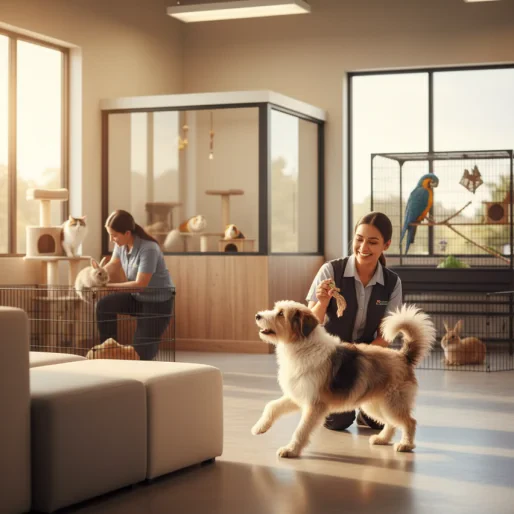
Evaluating a dog daycare facility in the United States requires attention to state licensing requirements, climate-specific safety protocols, and industry standards set by organizations like the IBPSA. This guide covers exactly what to look for and what should send you straight to the next facility.
Key Takeaways
- Pet daycare licensing varies by state, so verifying that a facility holds all required permits is an essential first step.
- Staff-to-dog ratios, group separation protocols, and sanitation routines are the three most critical quality indicators.
- Red flags often hide in plain sight: overcrowding, unsupervised play areas, and reluctance to answer questions about licensing or insurance.
- Green flags include transparent vaccination policies aligned with AVMA guidelines, written emergency protocols, and staff trained in canine body language.
- Climate considerations matter year-round in the U.S., from triple-digit summer heat in the South and Southwest to below-zero wind chills in the Midwest and Northeast.
Why the First Visit Matters More Than Online Reviews
The U.S. pet daycare industry has grown rapidly, with thousands of facilities operating across the country. Online reviews and polished websites can make any facility look professional, but the first in-person visit remains the single most reliable way to evaluate whether a daycare will keep a dog safe, stimulated, and stress-free. The American Kennel Club (AKC) and the International Boarding and Pet Services Association (IBPSA) both emphasize that direct observation of a working facility reveals information no marketing material can provide.
This guide is designed to be used during a walkthrough. Save it on your phone or review each section before your visit so you know exactly what to look for.
Before You Arrive: U.S. Licensing and Preparation
Verify State and Local Licensing
Pet daycare licensing requirements in the United States vary significantly by state and municipality. Some states, such as California and Virginia, require specific kennel or pet care facility licenses. Others delegate regulation to the county or city level. Before visiting any facility, check whether your state requires a commercial kennel license and confirm the facility holds one. Your state's Department of Agriculture or local animal control office can typically confirm licensing status.
Questions to Ask by Phone First
- What is the staff-to-dog ratio during peak hours? The IBPSA recommends no more than 10 to 15 dogs per trained handler, and facilities in high-volume metro areas should aim for the lower end of that range.
- Are dogs separated by size, temperament, or play style?
- What vaccinations are required for enrollment? At minimum, expect requirements for rabies (legally mandated in every U.S. state), DHPP (distemper, hepatitis, parainfovirus, parvovirus), and bordetella (kennel cough). Many U.S. facilities also require the canine influenza vaccine (H3N2/H3N8), particularly since outbreaks have occurred in multiple states.
- Is there a temperament assessment or trial day before a dog joins group play? Facilities that skip this step are a significant concern. For guidance on whether your dog is suited for group environments, see Is Your Dog Ready for Group Play? A Behaviourist's Assessment Guide.
- Does the facility carry commercial liability insurance? This is standard business practice in the U.S. and protects both the business and your pet.
- What happens if a dog becomes ill or injured during the day?
What to Bring on Your Visit
- A notebook or your phone for notes and photos (ask permission first).
- A list of your dog's specific needs: medications, dietary restrictions, fear triggers, or mobility limitations.
- Proof of current vaccinations, as many facilities will request this even for a tour.
- This checklist, saved or bookmarked.
The Facility Walkthrough: Green Flags
Cleanliness and Sanitation
- Green flag: The facility smells clean but not overwhelmingly of bleach or chemical deodorizers. A faint dog smell in an active play area is normal; persistent ammonia or fecal odor is not.
- Green flag: Visible cleaning schedules posted on walls or clipboards, with staff initials and timestamps.
- Green flag: Water bowls are clean and filled, not slimy or sitting in puddles.
- Green flag: Waste is picked up promptly. During your tour, observe whether staff clean up after dogs immediately or leave waste to accumulate.
- Green flag: The facility uses EPA-registered, pet-safe disinfectants. Products commonly used in U.S. veterinary and boarding settings include accelerated hydrogen peroxide cleaners, which are effective against canine parvovirus and other pathogens.
Physical Environment
- Green flag: Fencing is secure, at least 6 feet high for outdoor areas, with no gaps or obvious escape points.
- Green flag: Flooring is non-slip and easy to sanitize. Rubber matting, sealed concrete, or commercial-grade flooring designed for animal facilities are all appropriate.
- Green flag: Separate areas exist for small dogs (under 25 lbs), large dogs, and dogs that need quiet time or rest breaks.
- Green flag: Climate control is appropriate for the region and season. Air conditioning is essential in the South, Southwest, and anywhere summer temperatures regularly exceed 85°F. Heating is critical in northern states where winter temperatures drop below freezing.
- Green flag: Enrichment items (puzzle toys, platforms, tunnels) are visible and in good condition, without small parts that could be swallowed.
Staff Behavior and Training
- Green flag: Staff interact calmly and confidently with the dogs, using positive body language and voice tones.
- Green flag: At least one staff member holds a recognized certification. In the U.S., look for credentials from the IBPSA, the Certification Council for Professional Dog Trainers (CCPDT), or pet first aid certification through the American Red Cross Pet First Aid program. For more on credentials in pet care, see Professional Dog Walker Certifications in the US: A Comprehensive Vetting Guide for Owners.
- Green flag: Staff can describe protocols for breaking up conflicts between dogs and reference de-escalation techniques rather than punishment.
- Green flag: Staff demonstrate knowledge of canine stress signals: lip licking, whale eye, tucked tails, yawning, and avoidance behaviors.
Supervision and Group Management
- Green flag: Every play group has a dedicated handler actively watching the dogs, not sitting on a phone or completing unrelated tasks.
- Green flag: Dogs are rotated between play and rest periods throughout the day. Continuous unsupervised play for hours leads to overstimulation and conflict. For more on this topic, see Managing Overstimulation in Group Play: A Behaviourist's Guide.
- Green flag: The facility has a clear policy for managing resource guarding around toys, water bowls, and feeding stations.
The Facility Walkthrough: Red Flags
Sanitation and Safety Failures
- Red flag: Strong, persistent odors of urine, feces, or chemical masking agents, suggesting inadequate cleaning frequency.
- Red flag: Broken or chewed fencing, damaged gates, or improvised barriers. A facility that tolerates visible structural damage is cutting corners elsewhere.
- Red flag: Standing water, mold, or accumulated grime in corners, drains, or along walls.
- Red flag: No visible first aid kit or emergency supplies.
Overcrowding and Poor Group Management
- Red flag: Dogs of vastly different sizes playing together without supervision adjustments. A 10 lb terrier in the same play group as a 90 lb retriever creates a predictable injury risk.
- Red flag: More dogs present than the space can comfortably accommodate. Dogs should have room to move freely, retreat from interactions, and find personal space.
- Red flag: No quiet area or time-out space for dogs that are overstimulated, anxious, or tired. Understanding healthy versus unhealthy play dynamics is essential: Dog Park Etiquette: Recognizing Healthy vs. Bullying Play Styles provides a useful framework.
- Red flag: Dogs wearing prong collars, choke chains, or other aversive equipment during group play. These pose both a welfare concern and a physical entanglement hazard.
Staff Conduct Concerns
- Red flag: Staff yelling at dogs, using physical corrections, or spraying dogs with water as a primary management tool.
- Red flag: Staff appear overwhelmed, disengaged, or unable to identify individual dogs by name.
- Red flag: The facility is reluctant to let you observe an active play session. Transparency is non-negotiable.
- Red flag: No staff member can explain what happens in a medical emergency, or the facility lacks a relationship with a nearby veterinary clinic.
Administrative and Policy Red Flags
- Red flag: No vaccination requirements, or vaccinations accepted on an honor system without verifying veterinary records.
- Red flag: No written contract or service agreement outlining liability, pick-up and drop-off policies, or emergency procedures.
- Red flag: No requirement for spay or neuter status (for dogs over a certain age) or intact dog management policy.
- Red flag: The facility does not carry liability insurance. In the U.S., reputable daycare businesses carry both general liability and animal bailee coverage. For context on why insurance matters, see Is Your Dog Walker Properly Insured? A Guide for US Pet Parents.
U.S. Climate Considerations by Region
Summer Heat (South, Southwest, and Nationwide Heat Waves)
- Ask at what temperature outdoor play is restricted. The AVMA warns that dogs are at risk for heat stroke when temperatures exceed 80°F to 85°F, especially with high humidity. In states like Texas, Arizona, and Florida, outdoor play should be limited to early morning or late evening during peak summer.
- Confirm the facility has working air conditioning indoors, not just fans.
- Ask how staff recognize and respond to early signs of heat stress, particularly for brachycephalic breeds (Bulldogs, Pugs, French Bulldogs, Boston Terriers) that are extremely popular in the U.S. and highly vulnerable to overheating.
- Check for adequate shade and fresh water access in all outdoor areas.
Winter Cold (Midwest, Northeast, Mountain States)
- Verify that indoor play spaces are adequately heated and free of drafts.
- Check outdoor areas for ice, road salt residue, or de-icing chemicals that are harmful to paw pads. For more on paw safety, see The Great American Thaw: Complete Paw Protection Guide for US Dog Owners.
- Ask how the facility adjusts outdoor time when wind chill drops below 20°F. Small breeds and short-coated dogs should have very limited outdoor exposure in these conditions.
Wildfire Smoke (Western States)
- In California, Oregon, Washington, and other fire-prone states, ask whether the facility monitors air quality index (AQI) readings and restricts outdoor play when AQI exceeds 100 (unhealthy for sensitive groups).
- Confirm the facility can keep dogs safely indoors with filtered air during smoke events, which can last days or weeks.
Severe Weather (Tornado Alley, Hurricane Zones)
- Facilities in tornado-prone areas (Oklahoma, Kansas, Texas, and neighboring states) should have a written severe weather plan and an interior shelter area away from windows.
- Coastal facilities in hurricane zones (Florida, the Gulf Coast, the Carolinas) should have evacuation protocols and plans for extended power outages.
Breed-Specific Legislation: Know Before You Enroll
Some U.S. cities and counties enforce breed-specific legislation (BSL) that restricts or bans certain breeds, most commonly Pit Bull-type dogs, Rottweilers, and certain mastiff breeds. While many states (including several that have enacted preemption laws) have moved away from BSL, local ordinances may still apply. If you own a breed commonly affected by BSL, verify that the daycare facility accepts your dog and that no local ordinances restrict the breed in that area. The ASPCA and the American Bar Association both maintain resources on current BSL status by jurisdiction.
Emergency Preparedness: What to Verify
- The facility has a written emergency action plan covering fire, severe weather (tornadoes, hurricanes, earthquakes depending on region), and medical emergencies.
- A pet first aid kit is stocked and accessible, not locked away in a back office.
- The name and address of the nearest emergency veterinary clinic is posted visibly.
ASPCA Animal Poison Control Center
Call the ASPCA Poison Control hotline or contact your nearest emergency veterinary clinic immediately.
A consultation fee may apply. For non-poison emergencies, search "emergency vet near me" or call your local animal ER.
- Staff know how to perform basic pet first aid, including wound management and CPR techniques consistent with American Red Cross Pet First Aid guidelines.
- The facility has your emergency contact information and your veterinarian's details on file.
- There is a clear protocol for contacting owners if a dog is injured, becomes ill, or shows signs of distress. Dogs with separation anxiety may need specific management: Recognizing Separation Anxiety in Boarded Pets: A Behavioural Guide covers the behavioral indicators to watch for.
Understanding U.S. Daycare Pricing
Pet daycare costs in the United States typically range from $20 to $50 per day depending on location, with major metro areas (New York City, San Francisco, Los Angeles, Chicago) often charging $40 to $65 or more per day. Many facilities offer multi-day packages or monthly memberships at a discount. While price alone does not indicate quality, a facility charging significantly below the local average may be understaffing or cutting corners on safety. When comparing costs, factor in what is included: some facilities bundle enrichment activities, individual attention, or webcam access into the base price, while others charge extra.
The Trial Day: Final Assessment
Most reputable U.S. daycare facilities offer a trial day or half-day session, often at a reduced rate. This step is not optional; it is the final and most important part of the evaluation.
What to Observe at Pick-Up
- Is your dog happy to see you but not frantic or distressed?
- Does your dog show signs of exhaustion beyond normal tiredness? Excessive panting, limping, or trembling warrant concern.
- Can staff tell you specifically what your dog did during the day, who they played with, and whether any issues arose?
- Are there any unexplained scratches, marks, or behavioral changes?
The Days After
- Some dogs are naturally tired after a day of socialization. However, prolonged lethargy, loss of appetite, or behavioral regression (increased fearfulness, reactivity, or clinginess) lasting more than 24 to 48 hours may indicate the environment was too stressful.
- If your dog's routine feels disrupted after the trial, Post-Festival Routine Reset: A Professional Trainer's Guide to Reclaiming Calm includes techniques for re-establishing structure.
Printable Summary Checklist
Green Flags (Look For These)
- Valid state or local kennel license displayed
- Clean facility with visible sanitation schedules
- Secure, well-maintained fencing and flooring
- Dogs separated by size and temperament
- Active staff supervision in every play group
- Staff certified through IBPSA, CCPDT, or Red Cross Pet First Aid
- Structured play and rest rotation
- Written emergency protocols and nearby vet partnership
- Vaccination verification required (rabies, DHPP, bordetella, canine influenza)
- Liability and animal bailee insurance in place
- Temperament assessment before enrollment
- Climate-appropriate protocols for your region
Red Flags (Walk Away)
- No state or local license, or unwilling to show proof
- Strong or masked odors indicating poor sanitation
- Overcrowded play areas with mixed size groups
- No quiet or rest area for overstimulated dogs
- Staff using aversive handling or corrections
- Reluctance to show you the full facility
- No vaccination or health screening requirements
- No written contract or emergency plan
- No insurance coverage
- Broken fencing, damaged gates, or structural hazards
- Staff unable to describe their emergency protocol
- No climate or severe weather safety plan
Frequently Asked Questions
Are pet daycare facilities required to be licensed in the United States? ↓
What vaccinations should a U.S. pet daycare require? ↓
How much does dog daycare typically cost in the United States? ↓
What staff-to-dog ratio should a good daycare maintain? ↓
How do I evaluate a daycare's heat safety protocols in hot U.S. states? ↓
Should I be concerned about breed-specific legislation when choosing a daycare? ↓

Tom Ashford
Pet Safety & Home Consultant
Pet safety and home-proofing specialist — systematic hazard prevention and emergency preparedness for pet owners.
Content Disclosure
This article was created using state-of-the-art AI models with human editorial oversight. It is intended for informational and entertainment purposes only and does not constitute veterinary medical advice. Always consult a licensed veterinarian for your pet's specific health needs. Learn more about our process.