
Senior Dogs and July 4th: A Calm Fireworks Plan
Across the United States, the Fourth of July brings days of unpredictable fireworks that hit aging dogs hardest. This guide explains why senior dogs struggle and how to build a calm, vet informed plan.
English (United States)
Discover practical guides on health, nutrition, training and everyday life with your pet.
Fresh from the journal
Across the United States, the Fourth of July brings days of unpredictable fireworks that hit aging dogs hardest. This guide explains why senior dogs struggle and how to build a calm, vet informed plan.

A six week backyard conditioning circuit designed for the wide range of U.S. summer climates, from humid Gulf Coast evenings to smoke prone Western nights. The plan covers cavaletti spacing, wobble cushion progressions, cone weaves, and the regulatory and insurance considerations American dog owners need to know.
Insect protein dog food is gaining traction across the United States as an alternative to traditional kibble. This guide covers AAFCO compliance, pricing in USD, and practical advice for American dog owners considering the switch.
Understanding staff training standards at US dog daycare facilities helps owners make informed decisions. Learn what certifications, ratios, and protocols American facilities should maintain.
Raising a kitten in the United States in 2026 typically costs between $800 and $4,500 depending on your region and spending level. This guide breaks down every expense with U.S. specific pricing, state law requirements, and climate considerations.
Rabbits are among the most heat-vulnerable pets in American homes. This guide covers emergency cooling steps, prevention strategies, and when to rush to a U.S. emergency veterinary clinic.
Tick-borne diseases spike across the United States from May through July, putting millions of dogs at risk. This region-specific guide covers prevention strategies, state-level considerations, and a monthly action plan for American dog owners.
Leptospirosis cases in dogs spike across the United States each spring as warming temperatures and rainfall create ideal conditions for bacterial transmission. Knowing the warning signs and emergency steps can mean the difference between a full recovery and fatal organ failure.
Flea and tick pressure varies dramatically across U.S. climate zones, making region-specific prevention essential. This guide compares oral chewables, topicals, collars, and natural options with U.S. costs, FDA guidance, and state-level considerations.
A region-by-region guide to building a safe summer catio for cats in the United States. Covers materials, shade requirements, local codes, and heat safety across diverse U.S. climates.
Cats hide heat stroke until organ damage is underway. Learn how to spot the signs, cool safely using tepid water, and get emergency veterinary care across the U.S.
True lilies are fatally toxic to cats, and spring is peak exposure season across the United States. Learn how to act fast, where to call, and how to prevent lily poisoning in your home.
Insect protein dog food is gaining traction across the United States as an alternative to traditional kibble. This guide covers AAFCO compliance, pricing in USD, and practical advice for American dog owners considering the switch.
A practical guide for U.S. dog owners on transitioning to fresh or lightly cooked diets. Covers AAFCO compliance, food safety in varied American climates, realistic costs in USD, and when to consult a board certified veterinary nutritionist.
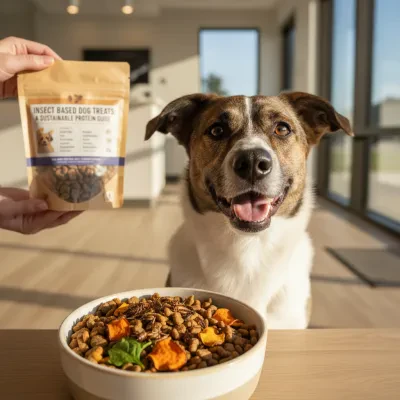
Insect protein dog treats are gaining ground across the United States as a sustainable, novel protein option. This guide covers AAFCO regulations, nutritional facts, allergy considerations, and practical buying tips for American dog owners.
Resource guarding is not a contest for dominance, and confrontation can make it more dangerous. This guide explains how to prevent conflicts, identify each dog's threshold, teach safer responses, and recognize when professional help is essential.
Spring hiking off leash requires reliable recall, tick awareness, and knowledge of U.S. trail regulations. This guide covers training steps, regional hazards, and emergency prep for American trails.
Spring in the U.S. brings rabbits, squirrels, and nesting birds that trigger prey drive in dogs. Learn positive reinforcement techniques to build impulse control safely and effectively.
Grooming anxiety is one of the most common behavioral concerns reported by American dog owners. This guide covers cooperative care training, finding Fear Free certified groomers, and navigating sedation options within the U.S. veterinary system.
Shaving a double-coated dog removes its natural insulation against heat and cold, risking permanent coat damage and sunburn. Learn safer, vet-backed cooling strategies tailored to every U.S. climate zone.
Double-coated breeds across the United States shed their undercoat on different timelines depending on regional climate and daylight patterns. This guide covers tools, techniques, and warning signs tailored to American pet owners managing spring coat blow.
Across the United States, the Fourth of July brings days of unpredictable fireworks that hit aging dogs hardest. This guide explains why senior dogs struggle and how to build a calm, vet informed plan.

Aging pets lose their ability to regulate body temperature due to cardiovascular, respiratory, and kidney changes. Across every U.S. climate zone, from Gulf Coast humidity to desert Southwest heat, senior dogs and cats face elevated heatstroke risk that demands proactive prevention.
Kidney disease is one of the most common conditions in senior dogs across the United States. This guide covers phosphorus management, hydration strategies, prescription renal diets, and how to navigate the US veterinary system for optimal CKD care.
Our articles use AI-generated specialist personas. Learn about our approach and use these guides to inform conversations with your veterinarian.
How we create content →