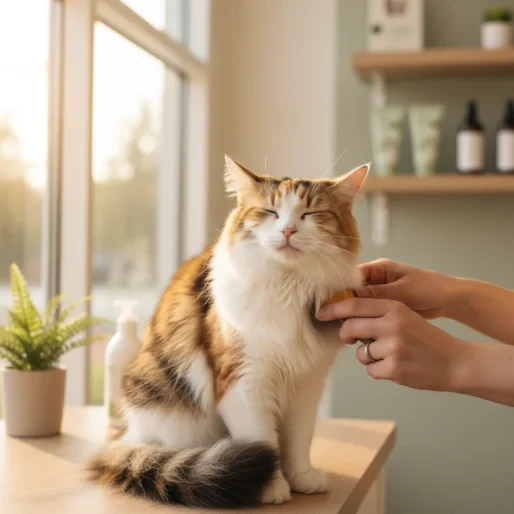
Honor your pet's memory with a living memorial garden tailored to U.S. growing zones, local burial laws, and pet-safe plants. This guide covers everything from USDA hardiness zones to state regulations on home pet burial.
Key Takeaways
- A memorial garden offers a lasting, living tribute to a beloved pet, whether you have a large backyard or a small apartment balcony.
- Always verify plant safety using the ASPCA Toxic and Non-Toxic Plants database before adding anything to your garden.
- U.S. home pet burial laws vary by state and county: check local ordinances before proceeding.
- Your USDA Plant Hardiness Zone determines which plants will thrive in your memorial garden year after year.
- Eco-friendly cremation alternatives, including aquamation and biodegradable urns, are increasingly available across the country.
- Involving children in the project supports healthy grieving and creates meaningful family traditions.
Before You Start: Planning Your Memorial Garden
A little preparation turns an emotional project into a smooth, rewarding experience. Before you break ground, gather the following:
- Know your USDA Hardiness Zone: The United States Department of Agriculture divides the country into 13 hardiness zones based on average annual minimum winter temperatures. Enter your zip code at the USDA Plant Hardiness Zone Map (planthardiness.ars.usda.gov) to find yours. This determines which perennials will survive winter and return each spring.
- Survey your site: Walk the area and note sunlight patterns (full sun, partial shade, or full shade), soil drainage, and proximity to underground utilities. Call 811, the national "Call Before You Dig" hotline, to have utility lines marked for free before digging deeper than 12 inches.
- Test your soil: Inexpensive pH test kits are available at Home Depot, Lowe's, or local garden centers, typically for $10 to $20. Many county Cooperative Extension offices also offer affordable professional soil testing, often for under $25.
- Prepare a pet-safe plant list: Cross-reference every plant choice against the ASPCA Toxic and Non-Toxic Plants database (aspca.org). This step is non-negotiable if other pets still use the garden.
- Gather tools: A hand trowel, garden fork, watering can or hose, mulch, compost, and gloves. Budget around $30 to $75 for basic supplies if starting from scratch.
- Choose marker materials: Engraved stone, weather-treated wood, a ceramic plaque, or a planted container with a name tag.
Step 1: Choose the Right Location
The best memorial spot is one your family naturally passes or rests near: a corner beside a bench, a border along a fence, or even a large container on a patio or deck. Practical considerations matter too:
- Avoid areas prone to flooding, standing water, or heavy runoff.
- Stay clear of septic systems and drain fields.
- In wildfire-prone regions of California, Oregon, Washington, and parts of the Mountain West, maintain defensible space guidelines from your local fire department. Avoid planting dense shrubs close to structures.
- In southern states with intense summer heat (regularly exceeding 95°F), choose a spot with afternoon shade to protect delicate perennials.
- In northern states with harsh winters (USDA Zones 3 to 5), select cold-hardy plants rated for your zone and consider positioning the garden against a south-facing wall for extra warmth.
For apartment dwellers or condo owners, a tiered planter arrangement, a window box, or a single large frost-proof container on a balcony works beautifully. The emotional value of a memorial garden has nothing to do with its square footage.
Step 2: Select Pet-Safe Plants by Region
Spring-blooming plants are a meaningful choice because they return each year, creating a natural cycle of remembrance. The following are generally recognized as non-toxic to dogs and cats per the ASPCA database. Always double-check the specific cultivar.
Perennials for Most U.S. Zones
- Snapdragons (Antirrhinum majus): Colorful upright blooms in pink, yellow, red, and white. Thrive in full sun to partial shade. Hardy in Zones 7 to 10 as perennials; grown as annuals in colder zones.
- Sunflowers (Helianthus annuus): Technically an annual but self-seeds readily. Cheerful, tall, and completely non-toxic. Excellent across nearly all U.S. zones.
- Roses (Rosa species): Classic memorial flowers. Thornless varieties like 'Zephirine Drouhin' are safer around curious pets. Hardy across most zones with proper care.
- Coral Bells (Heuchera): Low-growing foliage plants with delicate flower spikes. Excellent for shaded spots. Hardy in Zones 4 to 9.
- Asters (Symphyotrichum): Late spring to fall color. Non-toxic and attractive to pollinators. Native species thrive across most of the country.
- Zinnias (Zinnia elegans): Heat-loving annuals that do especially well in southern and midwestern states. Non-toxic and available in vivid colors.
Spring Bulbs: Proceed with Caution
Many popular spring bulbs, including tulips, daffodils, and hyacinths, are toxic to dogs and cats. If other animals access the garden, avoid these entirely or plant them in a raised bed with hardware cloth (half-inch mesh) laid just below the soil surface to prevent digging. Safer alternatives include:
- Freesias: Fragrant and available in many colors. Best suited to Zones 9 to 10 or grown as container plants elsewhere.
- Petunias: Technically a bedding plant, but they fill the same visual role in spring and are non-toxic. Widely adaptable across all U.S. zones.
Herbs and Ground Cover
- Rosemary (Salvia rosmarinus): Evergreen, fragrant, and safe. Symbolizes remembrance in many cultural traditions. Thrives in Zones 7 to 10; grow in containers and bring indoors in colder climates.
- Thyme (Thymus vulgaris): Low-growing, hardy ground cover (Zones 5 to 9) that releases scent when stepped on, adding a sensory dimension to the memorial.
For households with pet birds or reptiles that spend time in outdoor enclosures, a broader toxicity check is essential. The ASPCA list focuses on dogs, cats, and horses. For birds or reptiles, consult an avian or exotic veterinary specialist. Readers keeping birds may also find helpful context in our guide on Budgerigar vs Cockatiel vs Lovebird for Apartments.
Step 3: Design the Remembrance Space
Small Yards (under 50 square feet)
A single focal plant, such as a climbing rose on a small trellis, a stepping stone marker, and a border of low herbs like thyme can create a complete memorial in under 20 square feet. Use vertical space: wall-mounted planters, hanging baskets with pet-safe trailing flowers, or a small shelf for a weatherproof photo frame.
Medium to Large Yards
Consider a dedicated circular or curved bed set apart by a gravel or bark-chip path. A central feature, such as a small ornamental tree (a crabapple or magnolia, both non-toxic), anchors the design. Surround it with layered planting: tallest in the back, mid-height perennials in the middle, and ground-cover herbs in the front.
Container-Only Spaces
Choose a large, frost-proof pot as the centerpiece. Plant a dwarf rose or a rosemary topiary and surround it with seasonal companions. Attach a weatherproof name tag to the pot or place a small engraved stone beside it. Frost-proof ceramic or fiberglass containers typically cost $40 to $120 at U.S. garden centers.
Step 4: Add Personalized Markers
A marker transforms a planted area into a true memorial. Options range from simple to elaborate:
- Engraved stone or slate: Durable and timeless. Many local stone-cutting businesses and online retailers offer pet memorial engraving, typically $25 to $150 depending on size.
- Ceramic or resin plaques: Ensure outdoor-rated glaze to prevent cracking in freeze-thaw cycles, especially in Zones 3 to 6.
- Timber stakes or crosses: Cedar and redwood are naturally weather-resistant choices widely available across the U.S.
- DIY painted rocks: An excellent project for families with children. Use exterior-grade acrylic paint sealed with waterproof polyurethane varnish.
- Wind chimes or solar lights: These add sensory elements that bring the space to life at different times of day.
Step 5: Involve Children in the Process
Bereavement counselors and child psychologists widely recommend involving children in tangible remembrance activities. A memorial garden provides a constructive outlet for grief.
Age-Appropriate Tasks
- Ages 3 to 5: Let them choose a flower color, water newly planted seedlings, or place pebbles around the marker.
- Ages 6 to 9: They can help dig planting holes, paint a memorial rock, write a short message to tuck inside a sealed jar buried near the plant, or draw a picture of the pet to laminate and attach to a stake.
- Ages 10 and up: Older children can research pet-safe plants, sketch a garden layout, build a simple wooden marker, or keep a garden journal tracking when memorial plants bloom each year.
Some families establish a small annual ritual, such as planting a new flower on the pet's adoption anniversary or birthday.
Step 6: U.S. Rules on Home Pet Burial
Home burial of pets is legal in many parts of the United States, but regulations vary significantly by state, county, and municipality. Key considerations:
- State and county laws: Some states, such as Massachusetts and Washington, have specific statutes regulating pet burial on private property. Others leave regulation to county or city ordinance. Contact your local animal control office or county clerk for current rules.
- HOA restrictions: If you live in a neighborhood governed by a homeowners association, review your CC&Rs (Covenants, Conditions, and Restrictions) before burying a pet on your property.
- Rental properties: Always obtain written landlord permission before burial on rented land.
- Depth: Where permitted, dig to a depth of at least 3 feet to discourage scavenging by wildlife such as coyotes, raccoons, or foxes.
- Distance from water: Keep burial sites well away from wells, streams, vegetable gardens, and any water source. Many jurisdictions require at least 100 feet from any water supply.
- Wrapping: Use a natural, untreated fabric such as cotton or linen. Avoid plastic, as it does not biodegrade.
- Euthanasia chemicals: Do not bury a pet that was euthanized with pentobarbital in a shallow grave. Residual chemicals can be lethal to scavenging wildlife. Discuss safe burial options with the attending veterinarian.
Eco-Friendly Alternatives to Traditional Burial
- Biodegradable urns with seeds: Several U.S. companies offer urns made from natural materials embedded with tree or flower seeds. After cremation, ashes are placed in the urn, which is buried and breaks down over months as seeds germinate into a living tribute. Prices typically range from $30 to $130.
- Aquamation (alkaline hydrolysis): An increasingly available alternative to flame cremation offered by a growing number of pet cremation providers across the U.S. It uses water and alkaline solution, produces a lower carbon footprint, and returns powdered remains suitable for scattering in the garden.
- Green pet cemeteries: Some pet cemeteries now offer woodland or meadow burial plots managed with ecological principles. The International Association of Pet Cemeteries and Crematories (IAPCC) maintains a directory of accredited facilities.
- Pet composting (terramation): A newer process available in a limited but growing number of states, where remains are naturally composted into nutrient-rich soil over several weeks.
Owners exploring broader sustainability practices may appreciate our Sustainable Pet Care guide and Zero Waste Pet Grooming Routine for 2026.
What to Watch for After Planting
- Surviving pets digging in fresh soil: Dogs especially may be drawn to newly turned earth. A temporary low garden fence, hardware cloth laid just below the mulch surface, or supervised access for the first few weeks usually solves this.
- Plant toxicity symptoms: If a surviving pet chews any plant and shows drooling, vomiting, diarrhea, or lethargy, contact your veterinarian or call the ASPCA Animal Poison Control Center at 888-426-4435 (a $95 consultation fee may apply).
ASPCA Animal Poison Control Center
Call the ASPCA Poison Control hotline or contact your nearest emergency veterinary clinic immediately.
A consultation fee may apply. For non-poison emergencies, search "emergency vet near me" or call your local animal ER.
- Soil settlement over a burial site: Ground above a burial may sink over time. Top up with soil and re-mulch as needed.
- Emotional difficulty: Grief can resurface during this project. Taking breaks, spreading work over several weekends, or asking a friend to help are all perfectly normal approaches. Several U.S. organizations offer pet loss support hotlines, including those operated through veterinary school programs at institutions such as Cornell University and the University of California, Davis.
When to Consult a Professional
- Euthanasia chemicals and burial safety: If a pet was euthanized, consult the veterinarian about safe burial depth and practices.
- Large pets: For pets weighing more than approximately 90 lbs, professional pet cremation or cemetery services may be more practical and could be legally required in some jurisdictions.
- Uncertain plant identification: If unsure whether a plant already in the garden is safe for surviving pets, consult a veterinarian or use a verified plant identification app cross-referenced against the ASPCA database.
- Persistent grief in surviving pets: Dogs and cats can exhibit grief-related behavioral changes such as appetite loss, withdrawal, or excessive vocalization. If these persist beyond a couple of weeks, a veterinary check is advisable. Readers with cats adjusting to loss may find support in our article on Help a Fearful Rescue Cat Build Confidence.
Maintaining Your Memorial Garden Year After Year
A living memorial requires ongoing, though minimal, care:
- Prune roses and perennials in late winter (typically February in Zones 7 to 10, March in Zones 4 to 6) to encourage strong spring blooms.
- Refresh mulch annually, usually 2 to 3 inches deep, to suppress weeds and retain moisture.
- Divide overcrowded perennials every two to three years to maintain plant health.
- Replace any plants that fail to survive winter with a new pet-safe selection, treating it as a chance to refresh the space.
- Clean and reseal painted or timber markers every one to two years to prevent weather damage.
Each spring, as the memorial garden blooms again, it serves as a gentle, natural reminder of the bond shared with a pet who is no longer physically present but remains deeply loved.
Frequently Asked Questions
Is it legal to bury a pet in my backyard in the United States? ↓
Which common garden plants are toxic to dogs and cats? ↓
What is the best USDA zone for a pet memorial garden? ↓
How much does a pet memorial garden cost to create? ↓
What is aquamation for pets? ↓
Can I use cremation ashes in my pet memorial garden? ↓

Emma Lawson
Practical Pet Care Educator
Practical pet home care specialist — clear, step-by-step guidance grounded in veterinary nursing standards.
Content Disclosure
This article was created using state-of-the-art AI models with human editorial oversight. It is intended for informational and entertainment purposes only and does not constitute veterinary medical advice. Always consult a licensed veterinarian for your pet's specific health needs. Learn more about our process.