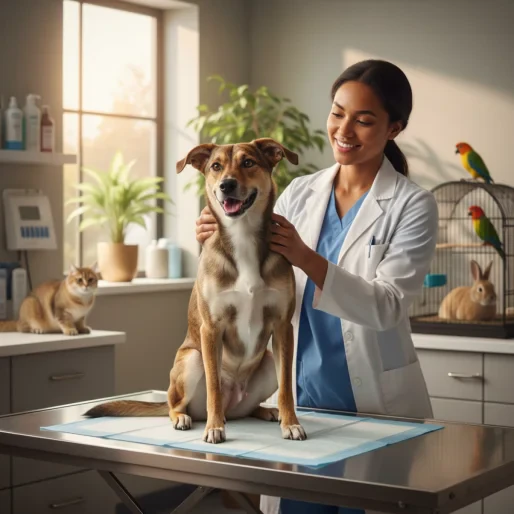
Spring pollen seasons vary dramatically across U.S. regions, and dogs with atopic dermatitis pay the price. Here is what American pet owners need to know about regional triggers, treatment costs, and evidence-based relief.
Key Takeaways
- U.S. pollen seasons vary widely by region: Southern states may see symptoms as early as February, while Northern states typically peak in April and May.
- Dogs show pollen allergies primarily through skin signs (scratching, licking, ear infections), not sneezing or runny noses.
- Treatment costs in the U.S. can range from around $90 to $200 per month for medications like oclacitinib (Apoquel) or lokivetmab (Cytopoint), with allergy testing adding $200 to $800 depending on the method.
- Allergen-specific immunotherapy (ASIT) is the only treatment that targets the root immune dysfunction, and board-certified veterinary dermatologists (diplomates of the ACVD) are best equipped to guide this process.
- Pet insurance can offset significant costs; the U.S. has one of the most developed pet insurance markets in the world.
Why U.S. Regional Pollen Patterns Matter for Your Dog
The United States spans an enormous range of climates, and that means pollen seasons are far from uniform. In the Southeast, particularly states like Georgia, Louisiana, and Texas, tree pollen can begin surging as early as late January or February. Cities in the Gulf Coast corridor routinely rank among the worst in the nation for spring allergen exposure, according to the Asthma and Allergy Foundation of America (AAFA) annual Allergy Capitals report.
In the Midwest and Ohio Valley, tree pollen typically peaks between mid-April and late May, with grass pollen following close behind into June. The Pacific Northwest, including Portland and Seattle, tends to see an earlier-than-average tree pollen start in many years, with high concentrations of alder, birch, and grass pollen. Meanwhile, parts of New England may experience a delayed or milder tree pollen season in cooler years.
For dog owners, this means the window for allergy vigilance depends heavily on geography. A Labrador Retriever in Atlanta may start scratching in February, while a Golden Retriever in Minnesota might not show signs until May. Understanding your regional pollen calendar is the first step toward proactive management.
How Pollen Triggers Skin Reactions in Dogs
Unlike humans, who typically react to pollen with sneezing and watery eyes, dogs overwhelmingly express pollen allergies through their skin. The condition responsible is canine atopic dermatitis (CAD), a genetically driven disorder involving a weakened skin barrier and an overactive immune response.
In affected dogs, the outer layer of skin has structural deficiencies, including reduced levels of ceramides (lipid molecules critical for barrier integrity). When pollen grains contact or penetrate this compromised barrier, immune cells mount a Th2-skewed response, producing immunoglobulin E (IgE) antibodies. These IgE molecules bind to mast cells in the skin. On repeat exposure, pollen triggers mast cell degranulation: a rapid release of histamine, cytokines, and other inflammatory mediators that cause redness, swelling, and intense itching.
Over successive allergy seasons, untreated inflammation leads to thickened skin, darkened pigmentation, and a growing vulnerability to secondary bacterial and yeast infections. This is why veterinary professionals emphasize that early intervention can meaningfully change the long-term trajectory of the disease.
Signs to Watch for During Pollen Season
The hallmark of spring allergies in dogs is pruritus (itching) that follows a seasonal pattern. American pet owners should watch for these common signs:
- Persistent paw licking or chewing, sometimes causing rust-colored saliva staining on light fur
- Scratching at the ears, with or without head shaking
- Rubbing the face against furniture, carpet, or grass
- Red, inflamed skin in the armpits, groin, belly, or between toes
- Recurrent ear infections (otitis externa) that coincide with pollen season
- Red, watery eyes
- Localized hair loss from self-trauma
- A musty or yeasty smell, often indicating secondary infection
If these signs emerge in spring and ease in winter, seasonal environmental allergy is a strong possibility. Dogs with year-round symptoms may have additional triggers such as dust mites or food sensitivities. It is also important to rule out flea allergy dermatitis, which can look nearly identical and frequently coexists with atopic dermatitis. Owners should also keep up with spring parasite prevention, as fleas remain a major trigger across much of the U.S.
Breeds Commonly Affected in the U.S.
Certain breeds are overrepresented in veterinary dermatology caseloads. Labrador Retrievers, Golden Retrievers, Bulldogs (English and French), West Highland White Terriers, Boxers, German Shepherds, and Shar Peis are frequently cited in the literature. However, mixed-breed dogs are equally susceptible, and given that mixed breeds make up a significant portion of the U.S. dog population, they represent a large share of affected patients. Breed alone should never rule out an allergy diagnosis.
Diagnosis: What to Expect at the Vet
There is no single test that confirms canine atopic dermatitis. The International Committee on Allergic Diseases of Animals (ICADA) guidelines, widely followed by U.S. veterinary dermatologists, describe diagnosis as a clinical process built on history, symptom patterns, and the systematic exclusion of other causes of itching.
A typical diagnostic workup in the U.S. includes:
- Detailed history: Age of onset (usually 1 to 3 years), seasonal patterns, affected body areas, and prior treatment responses.
- Parasite exclusion: Rigorous flea prevention and skin scrapes to rule out mites (sarcoptic mange, Demodex).
- Elimination diet trial: A strict novel-protein or hydrolyzed diet for a minimum of 8 weeks to rule out food-related triggers. This step is essential and cannot be shortcut.
- Allergy testing: Intradermal skin testing (IDT) or serum allergen-specific IgE testing. These are performed after a clinical diagnosis is established. Their purpose is to identify specific triggers for immunotherapy formulation, not to diagnose atopy itself.
Board-certified veterinary dermatologists, who are diplomates of the American College of Veterinary Dermatology (ACVD), are best equipped to conduct and interpret these tests. The ACVD maintains a directory that allows U.S. pet owners to search for specialists by state. A referral is especially valuable for dogs with severe, recurring, or treatment-resistant symptoms.
Treatment Options and U.S. Cost Considerations
Treatment for canine spring allergies in the U.S. generally involves both symptomatic control and, ideally, long-term immune modification. Cost is a significant factor for many American pet owners, so understanding the financial landscape is important.
Symptomatic Medications
Oclacitinib (Apoquel): A Janus kinase (JAK) inhibitor that reduces itching rapidly, often within hours. It is one of the most widely prescribed allergy medications for dogs in the U.S. Monthly costs typically fall in the range of $70 to $200, depending on the dog's weight (heavier dogs require higher doses). Periodic bloodwork is generally recommended during long-term use.
Lokivetmab (Cytopoint): A monoclonal antibody injection given at the veterinary clinic, usually every 4 to 8 weeks. It targets interleukin-31, a key itch-signaling molecule. Per-injection costs generally range from $50 to $200, again scaling with body weight. Many owners appreciate that it requires no daily pill administration.
Corticosteroids: Prednisone and prednisolone remain effective for short-term flare control but are not recommended for long-term use due to side effects including increased thirst, weight gain, and elevated infection risk. The American Animal Hospital Association (AAHA) and ACVD guidelines generally favor targeted therapies for ongoing management.
Antihistamines: Over-the-counter options like diphenhydramine or cetirizine are sometimes tried but have limited efficacy in dogs. They are rarely sufficient on their own for moderate to severe cases.
Medicated shampoos and topicals: Products containing chlorhexidine, ceramides, or colloidal oatmeal can support skin barrier health and manage secondary infections. These typically cost $20 to $60 per bottle. Bathing frequency should follow veterinary guidance, as over-bathing can worsen barrier dysfunction.
Allergen-Specific Immunotherapy (ASIT)
ASIT is the only treatment that addresses the underlying immune dysfunction. After allergy testing identifies specific triggers, a custom allergen extract is formulated. Two delivery methods are available:
- Subcutaneous immunotherapy (SCIT): Traditional injections given under the skin, starting with an escalating induction phase and transitioning to maintenance injections every 2 to 4 weeks. Many U.S. pet owners learn to administer these at home after training.
- Sublingual immunotherapy (SLIT): Daily drops or sprays administered under the tongue, gaining popularity for ease of use and growing evidence of effectiveness.
First-year costs for immunotherapy (including allergy testing and serum formulation) often reach $1,000 to $2,000 or more. Maintenance in subsequent years is generally less expensive. Published response rates in veterinary literature indicate that roughly 60% to 75% of dogs show meaningful improvement, though full benefit may take 6 to 12 months to appear.
The Role of Pet Insurance
The U.S. has one of the most developed pet insurance markets globally. Many plans cover diagnostics, prescription medications, immunotherapy, and specialist referrals for conditions like atopic dermatitis, provided the condition is not classified as pre-existing at enrollment. The North American Pet Health Insurance Association (NAPHIA) reports steady growth in enrollment, and comparing plans before allergy season begins can save significant out-of-pocket expense. Owners should review policy details carefully, as coverage for chronic or recurring conditions varies between providers.
Home Management Strategies for U.S. Pet Owners
Medical treatment forms the foundation of allergy management, but environmental strategies provide meaningful support, especially during peak pollen weeks.
- Paw wiping after walks: Wiping or rinsing paws with a damp cloth after outdoor time removes pollen before the dog licks and redistributes it. This is especially helpful on high-count days.
- Track local pollen counts: Resources like Pollen.com and the AAFA's allergy forecast tools provide daily, zip-code-level pollen data. Planning walks for lower-count periods can reduce exposure.
- Adjust walk timing: Pollen counts tend to be highest in the early morning. Shifting walks to later in the day may help, though in Southern states where afternoon temperatures can exceed 85°F in spring, owners need to balance pollen avoidance with heat safety. For more on warm-weather feeding adjustments, see the nutrition guide for dogs in extreme heat.
- Wash bedding weekly: Laundering dog beds in hot water reduces allergen buildup indoors.
- HEPA air filtration: Running a HEPA filter in rooms where the dog spends the most time can reduce airborne allergen levels indoors.
- Omega-3 fatty acid supplementation: Fish oil supplements can support skin barrier repair and have mild anti-inflammatory properties. They are unlikely to resolve symptoms alone but may reduce medication needs as part of a broader plan. A veterinarian or veterinary nutritionist can recommend appropriate dosing based on the dog's weight in lbs.
When to Seek Veterinary Help
Professional consultation is recommended whenever a dog shows persistent itching, recurrent ear or skin infections, or behavioral changes related to discomfort. Early intervention matters: each untreated allergy season tends to compound the problem as the skin barrier deteriorates and secondary infections establish themselves.
If your dog is in acute distress, showing signs of severe skin infection, or refusing to eat due to discomfort, contact your veterinarian or an emergency veterinary clinic promptly.
ASPCA Animal Poison Control Center
Call the ASPCA Poison Control hotline or contact your nearest emergency veterinary clinic immediately.
A consultation fee may apply. For non-poison emergencies, search "emergency vet near me" or call your local animal ER.
Questions to Bring to Your Appointment
- Could these symptoms have a cause other than environmental allergies (food sensitivity, parasites, contact irritant)?
- Should we pursue a referral to an ACVD-certified veterinary dermatologist?
- Is allergy testing appropriate now, and which method (intradermal vs. serum) do you recommend?
- What are the relative benefits of Apoquel, Cytopoint, and immunotherapy for my dog's situation?
- What does a realistic monitoring and follow-up schedule look like?
- Does my pet insurance plan cover these diagnostics and treatments?
Keeping a symptom log with dates, severity ratings, and notes on weather or environmental changes is extremely valuable during vet visits and helps track treatment response over time.
Looking Ahead: Research and Emerging Treatments
Veterinary dermatology is an active field in the U.S., with research institutions and ACVD diplomates contributing to ongoing studies. Current areas of investigation include the role of the skin microbiome in atopic dermatitis and whether topical probiotics or microbiome-based therapies might bolster skin barrier health. Novel biologics targeting cytokine pathways beyond IL-31 are also under study. While these are not yet standard practice, they represent promising directions.
For most dogs with atopic dermatitis, a good quality of life is an achievable goal. Accurate diagnosis, evidence-based medication, immunotherapy when appropriate, and consistent home management, all guided by a veterinary professional, give American dogs the best chance of enjoying spring comfortably.
Frequently Asked Questions
When does dog allergy season start in the U.S.? ↓
How much does it cost to treat dog allergies in the U.S.? ↓
Should I see a veterinary dermatologist or my regular vet for dog allergies? ↓
Does pet insurance cover dog allergy treatments? ↓
Are over-the-counter antihistamines effective for dogs with spring allergies? ↓

Dr. James Harrington
Veterinarian & Pet Health Writer
Veterinarian and health writer — translating complex medical topics into clear, actionable guidance for pet owners.
Content Disclosure
This article was created using state-of-the-art AI models with human editorial oversight. It is intended for informational and entertainment purposes only and does not constitute veterinary medical advice. Always consult a licensed veterinarian for your pet's specific health needs. Learn more about our process.