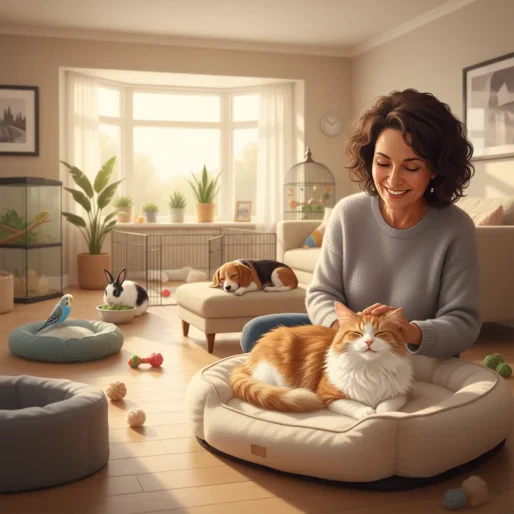
Starting a home pet sitting business in the United States requires navigating state licensing, zoning laws, and liability insurance. This guide covers US regulations, pricing in USD, climate considerations, and marketing strategies for 2026.
Key Takeaways
- Licensing rules for home pet sitting differ by state, county, and city. Research zoning ordinances, home occupation permits, and state kennel licensing laws before booking your first client.
- Professional liability insurance, including care, custody, and control coverage, is considered essential by both Pet Sitters International (PSI) and the National Association of Professional Pet Sitters (NAPPS).
- State rabies vaccination laws apply to every pet in your care. Verify current vaccination records for all animals before accepting bookings.
- Climate preparedness is critical across the US: heat safety plans for Southern states, cold weather protocols for Northern regions, and air quality monitoring in wildfire prone Western areas.
- A signed service contract protects both the sitter and the client and should be reviewed by an attorney licensed in your state.
What Home Pet Sitting Looks Like in the US in 2026
A home pet sitting business provides professional animal care either at the pet owner's residence or at the sitter's own home. Services typically include overnight stays, drop in visits, dog walking, medication administration, and basic grooming. According to Pet Sitters International (PSI), the scope of professional pet sitting now encompasses behavioral observation, environmental safety checks, emergency preparedness, and increasingly, technology supported updates such as GPS tracked walks, photo messages, and smart feeder integration.
The United States has the highest rate of pet ownership globally, with the American Pet Products Association (APPA) reporting that approximately 66% of US households include at least one pet. This strong demand, combined with rising veterinary costs and the growing preference for in home care over traditional boarding kennels, makes the US market particularly favorable for new pet sitting businesses in 2026.
US Licensing and Legal Requirements
Business Registration
Every US state requires some form of business registration for commercial activity. At minimum, home pet sitters should expect to obtain the following:
- State business registration or DBA filing: Requirements vary by state. Many states allow sole proprietorship registration online through the Secretary of State's office.
- Home occupation permit: Most municipalities require a specific permit when operating a business from a residential address. If animals will be housed on the premises, zoning restrictions often limit the number of pets allowed at one time.
- Employer Identification Number (EIN): Available free through the IRS. Even sole proprietors benefit from having an EIN for tax purposes and when opening a business bank account.
- Sales tax registration: Pet sitting services are subject to sales tax in some US states. Check with your state's Department of Revenue to determine if registration and collection are required.
State Kennel and Boarding Licenses
Several US states require a kennel license for anyone housing animals that do not belong to them, even in a home setting. Thresholds vary: some states trigger the requirement at as few as three or four animals. States such as Pennsylvania, Michigan, and Massachusetts are known for stricter kennel licensing frameworks. Contact your state's Department of Agriculture or local animal control office for current rules.
Rabies Laws and Vaccination Requirements
All 50 US states have rabies vaccination laws, though the specific requirements (frequency, age at first vaccination, approved vaccines) differ by state. Professional pet sitters should require proof of current rabies vaccination for every dog and cat before accepting a booking. Many states also require distemper and parvovirus vaccinations for dogs, and FVRCP for cats. Keeping a copy of each pet's vaccination records on file is both a legal safeguard and a professional best practice.
Breed Specific Legislation
Some US cities and counties enforce breed specific legislation (BSL) that restricts or bans ownership of certain breeds, commonly including pit bull type dogs, Rottweilers, and occasionally other large breeds. Before accepting a booking, verify whether any BSL applies in your municipality, as housing a restricted breed at your home could carry legal consequences including fines or animal seizure.
Professional Certifications Worth Pursuing
While certification is not legally mandated in most US states, recognized credentials significantly boost client confidence. Widely respected options include:
- PSI Certification: Pet Sitters International offers accreditation widely regarded as an industry standard.
- NAPPS Certification: The National Association of Professional Pet Sitters provides professional certification that signals adherence to established care standards.
- Pet First Aid and CPR: The American Red Cross offers pet first aid certification, as does PetTech. Both are well recognized across the US.
- Fear Free Certification: This credential demonstrates knowledge of low stress animal handling techniques, particularly valuable for anxious or reactive pets.
Insurance and Bonding
Professional liability insurance is considered non negotiable by both PSI and NAPPS. US pet sitters should carry the following coverage types:
- Commercial general liability (CGL): Covers property damage or bodily injury claims during business operations. For example, if a dog in your care escapes and damages a neighbor's property, CGL protects you financially.
- Care, custody, and control coverage: Standard CGL policies typically exclude injury or death of animals in the sitter's care. A pet specific rider or standalone policy is necessary to cover this risk.
- Surety bond: Protects clients against theft or dishonesty. Many US pet owners now expect their sitter to be bonded.
- Commercial auto insurance: If you transport pets to veterinary appointments, dog parks, or between locations, personal auto insurance typically will not cover commercial activity.
Annual premiums for basic pet sitting insurance in the US typically range from $200 to $500, depending on location, the number of animals served, and specific coverage limits. Obtain quotes from multiple providers and review exclusions carefully.
Pricing Your Services in the US Market
Pricing should reflect your local cost of living, competitor rates, and level of service. Common US pricing models include:
- Drop in visits (15 to 30 minutes): Typically $18 to $30 per visit, depending on the metro area.
- Extended visits (45 to 60 minutes): Usually $25 to $45 per visit.
- Overnight stays: Generally $50 to $100 per night, spanning roughly 10 to 14 hours in the client's home.
- Doggy daycare at your home: Often $30 to $55 per day.
- Package or subscription pricing: Discounted bundles for regular clients who book weekly or monthly services.
Add on services such as medication administration (typically $3 to $10 extra), extended walk times, bathing, plant watering, mail collection, and holiday surcharges can increase average booking value. Clearly list all add on fees in your contract.
Climate Specific Safety Protocols
The US spans dramatically different climate zones, and pet sitters must adapt their protocols accordingly.
Hot and Humid Regions (South and Southwest)
In states like Texas, Florida, Arizona, and Georgia, summer temperatures regularly exceed 95°F. Key precautions include:
- Schedule dog walks for early morning (before 8 a.m.) or after sunset when pavement temperatures drop.
- Test pavement with the back of your hand: if you cannot hold it for five seconds, it is too hot for paw pads.
- Always carry fresh water on walks and watch for signs of heatstroke: excessive panting, drooling, wobbling, or collapse.
- Never leave animals in parked vehicles, even briefly. Temperatures inside a car can exceed 120°F within minutes.
Cold Weather Regions (North and Midwest)
In states like Minnesota, Wisconsin, Michigan, and the Northeast corridor, winter temperatures can drop well below 0°F. Considerations include:
- Limit outdoor time for small breeds and short coated dogs when temperatures fall below 20°F.
- Wipe paws after walks to remove road salt and chemical deicers, which can cause skin irritation or toxicity if ingested.
- Ensure pets have access to warm, draft free resting areas.
Wildfire Regions (West and Pacific Northwest)
In California, Oregon, Washington, and parts of Colorado, wildfire smoke creates serious respiratory risks for pets during fire season (typically June through November). Monitor the Air Quality Index (AQI) daily using AirNow.gov. When AQI exceeds 100, limit outdoor activity. Pets with brachycephalic (flat faced) anatomy, such as Bulldogs and Pugs, are especially vulnerable.
Emergency Contact Protocol
Every professional pet sitting operation should maintain a written emergency plan that includes:
- Primary and secondary emergency contacts for each client.
- The name, address, and phone number of the client's preferred veterinarian.
- The nearest 24 hour emergency veterinary clinic, with address and directions confirmed in advance.
ASPCA Animal Poison Control Center
Call the ASPCA Poison Control hotline or contact your nearest emergency veterinary clinic immediately.
A consultation fee may apply. For non-poison emergencies, search "emergency vet near me" or call your local animal ER.
- A backup sitter: a trusted, trained person who can take over care if you become ill or unavailable.
- A written spending authorization limit for emergency veterinary treatment, signed by the client before departure.
The ASPCA Animal Poison Control Center hotline (888 426 4435) should be saved in every US pet sitter's phone. This service charges a consultation fee (typically around $95) and provides guidance on toxic ingestions around the clock.
Client Contracts for the US Market
A signed service agreement is one of the most important tools in a pet sitting business. Essential elements under US law include:
- Client and pet information: Full legal name, address, emergency contacts, and detailed pet profiles including breed, age, weight (in lbs), temperament, and medical conditions.
- Service description: Dates, visit times, specific tasks, and agreed upon add ons.
- Veterinary authorization: Written permission to seek emergency veterinary care, including the preferred veterinarian's contact details.
- Payment terms: Rates in USD, deposit requirements, accepted payment methods, cancellation policy, and late payment fees.
- Liability and indemnification: Language defining each party's responsibilities, reviewed by an attorney licensed in your state.
- Photo and video consent: Explicit permission to photograph or record the pet, especially for social media use.
- Key and access agreement: How house keys or smart lock codes are handled, stored, and returned.
- Health disclosure: Clients must disclose known behavioral issues, allergies, dietary restrictions, and any history of aggression.
Marketing Your US Pet Sitting Business in 2026
Platform Selection
For US based pet sitters, the most effective social media and directory platforms include:
- Instagram and TikTok: Short form video content and high quality pet photos build brand personality quickly. Behind the scenes content and client testimonials (with consent) perform especially well.
- Facebook: Local community groups, neighborhood pages, and the Facebook business page remain valuable for reaching pet owners over 35.
- Nextdoor: Highly targeted for neighborhood level visibility. Many US pet owners search Nextdoor specifically for local pet care recommendations.
- Google Business Profile: Essential for appearing in local search results. Encourage every satisfied client to leave a Google review.
Content That Builds Trust
Effective content for US pet sitters falls into three categories:
- Trust building posts: Share your certifications, insurance details, safety protocols, and educational content. Linking to reputable resources from organizations like the AVMA (American Veterinary Medical Association) or ASPCA positions your business as knowledgeable and professional.
- Engagement content: With client permission, share cute pet photos and videos, run polls, host Q&A sessions, and post seasonal pet safety tips.
- Conversion content: Clear calls to action, booking links, limited time offers for new clients, and video testimonials from satisfied pet owners.
Reviews and Referrals
Online reviews are among the most powerful trust signals for potential US clients. Make it easy for satisfied customers to leave reviews on Google Business Profile, Yelp, and Facebook. A referral incentive, such as $10 to $20 off a future booking for each successful referral, can accelerate word of mouth growth significantly.
Consistency matters: aim for three to five posts per week and maintain a professional, recognizable visual brand across all platforms. All content featuring client pets should only be posted with explicit written permission, ideally covered in the service contract.
Frequently Asked Questions
Do I need a license to pet sit from home in the US? ↓
How much does pet sitting insurance cost in the US? ↓
What vaccinations should I require from pet owners before accepting a booking? ↓
How do I set prices for pet sitting in the US? ↓
What climate risks should US pet sitters prepare for? ↓
Laura Chen
Pet Sitter & Travel Specialist
Pet sitter and travel specialist — practical logistics, sitter vetting, and anxiety management for travelling pet owners.
Content Disclosure
This article was created using state-of-the-art AI models with human editorial oversight. It is intended for informational and entertainment purposes only and does not constitute veterinary medical advice. Always consult a licensed veterinarian for your pet's specific health needs. Learn more about our process.