
In this article
Creating a Safe Sanctuary in American Backyards
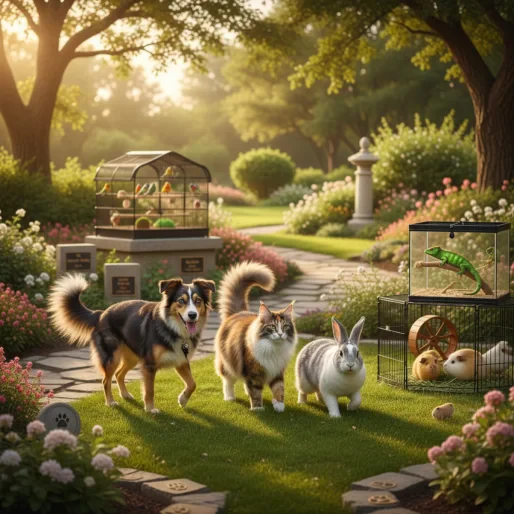
In the United States, where sixty six percent of households own a pet, the loss of a companion animal is a profound event. Creating a memorial garden is a widely recognized therapeutic practice in American bereavement counseling, offering a physical space to process grief. Unlike a static urn on a mantelpiece, a garden is a living tribute that evolves with the seasons, reflecting the cycle of life. However, for US homeowners and renters, this project requires careful planning that goes beyond aesthetics. It involves navigating USDA Hardiness Zones, understanding local homeowners association (HOA) restrictions, and strictly adhering to veterinary toxicology guidelines to ensure the space remains safe for surviving pets and local wildlife.
Veterinary data from the ASPCA Animal Poison Control Center indicates that garden plants are a consistent source of accidental poisoning calls across the country. From the Sago Palms of Florida and California to the bulb gardens of the Northeast, regional flora poses distinct risks. This guide provides a comprehensive framework for US pet owners to design a memorial space that honors their lost friend while protecting their current ones.
Understanding US Regulations and Zoning
Before breaking ground, it is critical to address the legal and logistical aspects of creating a memorial garden in the United States. While planting flowers is generally unregulated, burying a pet's remains or ashes is subject to state and local laws.
Call Before You Dig
Regardless of whether you are planting a shrub or burying remains, the federally mandated 'Call Before You Dig' number (811) is an essential first step. Striking an underground utility line can result in severe fines and dangerous service disruptions. This free service notifies local utility companies to mark underground lines, ensuring your memorial site is safe to excavate.
Burial Laws by State
State regulations regarding pet burial vary significantly. In many rural areas, burial on private property is permitted provided specific depth requirements (typically 3 to 4 feet) are met to prevent wildlife disturbance. However, states like California have stricter regulations, often prohibiting burial outside of established pet cemeteries. In urban and suburban areas, local municipal codes or HOA bylaws may explicitly ban backyard burials due to groundwater contamination concerns. In such cases, burying cremated ashes (cremains) or using a decorative urn within the garden design is a compliant alternative.
Critical Toxicity Risks in US Gardens
The US floral and nursery market is vast, and many popular plants sold at major home improvement retailers are highly toxic. Veterinary professionals frequently treat cases of poisoning from plants that owners assumed were safe.
The Sago Palm Menace
In Southern states (USDA Zones 8 through 11), particularly Florida, Texas, and California, the Sago Palm (Cycas revoluta) is a common landscaping feature. It is also one of the most deadly plants for dogs. All parts of the plant are toxic, but the seeds contain the highest concentration of cycasin, which causes severe liver failure. Ingestion of just one or two seeds can be fatal. If your property already contains Sago Palms, veterinary experts strongly recommend removing them before establishing a pet friendly area.
Spring Bulbs and Regional Risks
Tulips, daffodils, and hyacinths are staples of American spring gardens, yet their bulbs contain allergenic lactones and alkaloids. These can cause severe gastrointestinal distress, cardiac arrhythmias, and convulsions. Lilies (Lilium species), often gifted during holidays or funerals, are catastrophic for households with cats. Ingestion of even a small amount of pollen or leaf tissue can lead to acute kidney failure in felines. The Pet Poison Helpline lists lilies as a top toxin, urging cat owners to exclude them entirely from indoor and outdoor arrangements.
Cocoa Mulch Dangers
A popular choice for its rich color and pleasant scent, cocoa bean shell mulch is widely available in US garden centers. However, it contains theobromine, the same toxic compound found in chocolate. Dogs are attracted to the sweet smell and may ingest large quantities, leading to hyperactivity, tremors, and seizures. Safer alternatives for US gardens include shredded pine bark, cedar chips, or untreated cypress mulch.
Top Pet Safe Plants for US Regions
Selecting flora requires balancing safety with climate suitability. Using the USDA Plant Hardiness Zone Map ensures that your memorial plants will thrive in your specific location.
1. Purple Coneflower (Echinacea purpurea)
Zones: 3 to 8
Description: A US native perennial, the Purple Coneflower is a robust choice for a memorial garden. It is non toxic to dogs and cats and is drought tolerant once established, making it ideal for the Midwest and Plains states. Its vibrant purple blooms attract pollinators, bringing life to the garden. Symbolically, it represents strength and health.
2. Rosemary (Rosmarinus officinalis)
Zones: 7 to 10 (Annual in cooler zones)
Description: Rosemary has been associated with remembrance since ancient times. In warmer states like California and the Southeast, it grows as a woody evergreen shrub. It is safe for pets and offers a calming aroma. In cooler northern climates, it can be grown in containers and brought indoors during winter, serving as a portable connection to the memorial.
3. Sunflowers (Helianthus annuus)
Zones: Annual (All Zones)
Description: Native to North America, sunflowers are a symbol of loyalty and adoration, mirroring the bond between pet and owner. They are non toxic and easy to grow from seed, which can be a therapeutic activity for children grieving a family pet. Their towering height creates a natural focal point in the garden.
4. Coral Bells (Heuchera species)
Zones: 4 to 9
Description: For shady spots or woodland gardens common in the Pacific Northwest and Northeast, Coral Bells offer stunning foliage in shades of purple, bronze, and chartreuse. They are safe for pets and provide year round interest in milder climates. Their resilience makes them a fitting tribute to an enduring spirit.
5. Crepe Myrtle (Lagerstroemia species)
Zones: 7 to 9
Description: For a larger structural element, the Crepe Myrtle is a safe tree option often used in Southern landscaping. It offers beautiful summer blooms and interesting bark texture. Unlike the toxic Azalea or Oleander, Crepe Myrtles pose no toxicity risk to curious dogs or cats.
Designing for Climate and Wildlife
The United States encompasses diverse climates, from the arid Southwest to the humid Southeast. A memorial garden must be resilient to local conditions to avoid becoming a source of stress.
Water Wise Gardening
In drought prone areas like Arizona and Nevada, xeriscaping with pet safe succulents such as Hens and Chicks (Sempervivum) or Burro's Tail (Sedum morganianum) ensures the garden survives water restrictions. Avoid Aloe Vera, which is mild to moderately toxic (causing digestive upset) despite its medicinal reputation for humans.
Wildlife Considerations
In many US suburbs, wildlife interaction is a concern. Raccoons, skunks, and coyotes may be attracted to freshly turned soil or organic fertilizers like bone meal and blood meal. To prevent digging at a burial site, experts recommend placing a layer of flat stones or heavy wire mesh over the area before adding topsoil. Avoid using fish emulsion or meal based fertilizers, which act as powerful attractants to carnivores. Instead, utilize plant based compost or synthetic slow release fertilizers to minimize olfactory interest.
Hardscaping and Personal Touches
Incorporating non living elements provides permanence and reduces maintenance. In regions with harsh winters, hardscaping ensures the memorial remains visible even when plants are dormant.
Personalized Markers
River stones painted with non toxic, outdoor acrylics are a popular and affordable way to mark a spot. For a more formal tribute, engraved granite or flagstone markers can withstand freeze thaw cycles better than concrete or ceramic. US pet owners often place a durable collar or tags within a shadow box mounted on a garden stake, protecting these keepsakes from the elements while keeping them close.
The Rainbow Bridge Feature
The concept of the 'Rainbow Bridge' is deeply ingrained in American pet culture. Creating a small, symbolic bridge over a dry creek bed or a path of colored stones can physically represent this metaphor. Ensure any structural elements are stable and free of sharp edges that could injure playing dogs.
Emergency Preparedness
Even with the most careful planning, accidents can occur. If a pet ingests a suspicious plant or substance in the garden, immediate action is required. US pet owners should have contact information for their local veterinary clinic and a national poison control center readily available.
ASPCA Animal Poison Control Center
Call the ASPCA Poison Control hotline or contact your nearest emergency veterinary clinic immediately.
A consultation fee may apply. For non-poison emergencies, search "emergency vet near me" or call your local animal ER.
Creating a memorial garden is a deeply personal journey toward healing. By choosing plants that are safe for animals and suitable for the local climate, US pet owners can build a lasting tribute. This space becomes a sanctuary where the memory of a beloved companion is preserved in the living beauty of nature, offering comfort for years to come.
Frequently Asked Questions
Content Disclosure
This article was created using state-of-the-art AI models with human editorial oversight. It is intended for informational and entertainment purposes only and does not constitute veterinary medical advice. Always consult a licensed veterinarian for your pet's specific health needs. Learn more about our process.