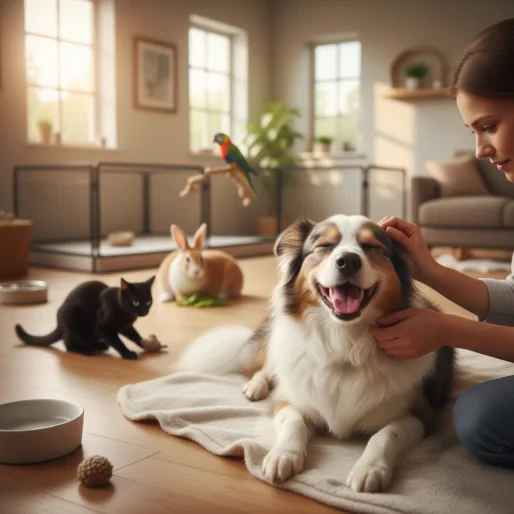
A state-by-state look at how U.S. buyers can distinguish responsible breeders from puppy mills in 2026, including new broker bans, AKC resources, and OFA health testing requirements. This guide covers federal and state regulations that directly affect how Americans purchase puppies.
Why U.S. Puppy Buyers Face Unique Challenges in 2026
The United States has the highest rate of pet ownership in the world, with an estimated 65 million households owning at least one dog. This enormous demand fuels both responsible breeding programs and large-scale commercial operations (commonly called puppy mills) that prioritize profit over animal welfare. With average veterinary costs for a puppy's first year ranging from $1,500 to $3,000 depending on breed and region, choosing the wrong source can multiply expenses dramatically.
New legislation, shifting online marketplaces, and growing consumer awareness are reshaping how Americans find puppies. Understanding these changes is essential for any prospective buyer in 2026.
Federal and State Regulations You Should Know
USDA Licensing and the Animal Welfare Act
The U.S. Department of Agriculture (USDA) regulates commercial breeders who sell puppies sight-unseen (online, by phone, or by mail) through the Animal Welfare Act. Breeders meeting this threshold must hold a USDA license and submit to inspections. However, USDA standards represent a legal minimum, not a marker of quality breeding. A USDA-licensed facility can still operate at a scale and standard far below what most buyers would consider acceptable.
California's AB 519 Broker Ban (Effective January 1, 2026)
California's Assembly Bill 519, authored by Assemblymember Marc Berman, prohibits third-party pet brokers from selling dogs, cats, or rabbits under one year old within the state. A broker is defined as a person or business selling, processing, or transporting a pet bred by someone else for profit. This builds on California's 2019 retail pet sale ban and closes the online middleman loophole that many commercial operations exploited.
Exemptions exist for shelters, rescue organizations, educational nonprofits, and service animal programs. Buyers in other states should anticipate similar legislation, as California's animal welfare laws frequently set national precedents.
State-Level Puppy Lemon Laws
More than 20 states have enacted some form of "puppy lemon law" that provides buyers with recourse if a puppy is found to have a serious hereditary or congenital condition shortly after purchase. Requirements vary significantly: some states mandate a veterinary exam within 14 days, others within 72 hours. Check your state attorney general's website for specific protections in your jurisdiction.
Breed-Specific Legislation
Some U.S. cities and counties maintain breed-specific legislation (BSL) restricting ownership of certain breeds. If you are purchasing a breed that may fall under BSL (such as American Pit Bull Terriers, Rottweilers, or others depending on locality), verify local ordinances before committing. The American Kennel Club (AKC) maintains a legislative tracking tool on its website for this purpose.
Step-by-Step: Evaluating a U.S. Breeder
Step 1: Verify Health Testing Through OFA
The Orthopedic Foundation for Animals (OFA), based in Columbia, Missouri, maintains the Canine Health Information Center (CHIC) database. Before contacting any breeder, look up the CHIC requirements for your chosen breed at ofa.org. Each breed's AKC parent club establishes which tests are required.
For example:
- Labrador Retrievers: hip evaluation, elbow evaluation, ophthalmologist exam (CAER), cardiac evaluation, and Exercise Induced Collapse (EIC) DNA test
- French Bulldogs: hip evaluation, patellar luxation exam, ophthalmologist exam, and cardiac evaluation
- Golden Retrievers: hip evaluation, elbow evaluation, cardiac exam, ophthalmologist exam, and NCL DNA test
A dog earns a CHIC number only after completing every recommended screening with results posted publicly. The dog does not need to pass every test; the transparency of public results is the point. If a breeder cannot provide a searchable OFA registration number, treat that as a serious concern.
Step 2: Identify Red Flags in Online Listings
Online platforms (including social media marketplaces, dedicated puppy listing sites, and classified ads) are now the primary way Americans find breeders. Watch for these warning signs:
- Multiple breeds listed as available now: Responsible breeders typically focus on one or two breeds
- Pricing significantly below the typical range: If a breed typically sells for $2,000 to $3,500 in your region and someone is advertising puppies for $500, question why
- Emphasis on color or novelty traits: Terms like "rare blue," "teacup," "micro," or "king size" without any mention of health clearances suggest profit-driven breeding
- No verifiable kennel name or AKC registration: Look for a registered kennel name with the AKC or United Kennel Club (UKC)
- Willingness to ship anywhere without buyer screening: A responsible breeder wants to know about your home, lifestyle, and experience with dogs
- Pressure to pay a deposit before answering questions: Responsible breeders welcome thorough questions
Step 3: Evaluate Socialization Practices
The critical socialization window closes between 12 and 16 weeks of age. A responsible U.S. breeder will have a structured program in place, often following published protocols such as Puppy Culture, Avidog, or the Bio Sensor (Super Dog) program originally developed by the U.S. military. Ask specifically:
- What surfaces have the puppies experienced? (grass, tile, carpet, gravel, rubber mats)
- What sounds have they been exposed to? (vacuum cleaners, doorbells, television, traffic)
- How many different people have handled the puppies?
- At what age do puppies go home? (Most responsible breeders will not release puppies before 8 weeks; toy breeds often stay until 10 to 12 weeks)
Puppies raised exclusively on wire flooring, common in USDA-minimum commercial operations, often struggle with novel surfaces and environments.
Step 4: Review the Puppy Contract
A written contract is standard among responsible U.S. breeders. Key clauses to expect:
- Health guarantee: Typically covers genetic or hereditary conditions diagnosed within one to two years. Understand what it offers: replacement puppy, partial refund, or veterinary cost contribution
- Spay/neuter clause: Common for pet-quality puppies, demonstrating the breeder's commitment to preventing unplanned litters
- Return policy: The breeder requires you to return the dog to them if you can no longer keep it, at any point in the dog's life. This is one of the strongest indicators of a responsible breeder
- Veterinary exam requirement: Most contracts require an exam by your own veterinarian within 48 to 72 hours
- Restrictions on resale: Prohibition against selling the dog to pet shops, brokers, or research facilities
Be cautious of contracts that void the health guarantee if you use a different veterinarian or feed a different brand of food. A health guarantee should address genetic conditions, not serve as a tool to avoid responsibility.
Step 5: Visit or Request a Live Video Tour
Given the geographic size of the United States, in-person visits are not always practical. Many responsible breeders accommodate out-of-state buyers via live video calls showing the puppies, the dam (mother), and the living environment. Pre-recorded videos can supplement this but are easier to curate. If you can visit, observe whether adult dogs appear healthy, well-socialized, and comfortable with the breeder, and whether the environment is clean and home-like rather than warehouse-style.
Climate Considerations by U.S. Region
The timing of bringing a new puppy home should account for regional climate factors:
- Southern states (humid summers): Avoid bringing a very young puppy home during peak summer heat (temperatures exceeding 95°F) when outdoor socialization and housetraining become difficult. Parvovirus also thrives in warm, moist environments
- Northern states (harsh winters): Puppies arriving in deep winter may have limited outdoor socialization opportunities. Plan indoor socialization alternatives and consider that housetraining in subzero conditions requires additional patience
- Western states (wildfire season): Air quality alerts during fire season can restrict outdoor time. Brachycephalic breeds (French Bulldogs, Pugs) are especially vulnerable to respiratory distress from smoke exposure
What to Do Immediately After Bringing Your Puppy Home
- Schedule a veterinary exam within 48 to 72 hours, as required by most contracts
- Establish care with a veterinarian who is a member of the American Veterinary Medical Association (AVMA)
- Watch for signs of parvovirus (severe bloody diarrhea, vomiting, lethargy), distemper (nasal discharge, seizures), kennel cough, or parasites
- Continue socialization work the breeder started; the critical window remains open until approximately 16 weeks of age
- Verify your puppy's rabies vaccination schedule aligns with your state's requirements (most states mandate rabies vaccination between 12 and 16 weeks)
When to Seek Emergency Help
If your new puppy shows signs of a life-threatening condition such as parvovirus, distemper, or severe dehydration within days of purchase, contact a veterinary emergency hospital immediately. Document all symptoms, test results, and communications with the breeder for potential contract claims or legal action.
ASPCA Animal Poison Control Center
Call the ASPCA Poison Control hotline or contact your nearest emergency veterinary clinic immediately.
A consultation fee may apply. For non-poison emergencies, search "emergency vet near me" or call your local animal ER.
If health documents appear forged, the breed or parentage is misrepresented, or the breeder becomes unreachable after the sale, file a complaint with your state's attorney general consumer protection division and the platform where the sale occurred. Consult a consumer protection attorney if financial losses are significant.
Quick Reference: Responsible Breeder vs Puppy Mill
| Responsible Breeder | Puppy Mill or Broker |
|---|---|
| Provides OFA/CHIC documentation searchable online | Offers only a general vet check or no records |
| Breeds one or two breeds with AKC or UKC registration | Multiple breeds always available, often "designer" mixes |
| Welcomes questions, visits, and video calls | Discourages visits, pressures immediate deposits |
| Written contract with lifetime return clause | No contract or minimal paperwork |
| Screens buyers thoroughly | Sells to anyone who pays, ships anywhere |
| Structured socialization program (Puppy Culture, Avidog, etc.) | Puppies raised in cages with minimal human contact |
| Typical price range: $2,000 to $4,000+ depending on breed | Often priced suspiciously low or uses hidden fees |
Resources for U.S. Buyers
- OFA/CHIC Database (ofa.org): Verify health testing results for any breeding dog
- AKC Marketplace: Lists breeders who have agreed to AKC inspection guidelines (note: listing does not guarantee quality, but provides a starting point)
- AKC Breed Parent Clubs: Each breed's national club maintains breeder referral lists with members who agree to a code of ethics
- USDA APHIS Facility Search: Check whether a breeder holds a USDA commercial license (which may indicate large-scale commercial breeding)
- State Attorney General Consumer Protection: For complaints about fraudulent sales or contract violations
Frequently Asked Questions
How much does a responsibly bred puppy cost in the United States? ↓
Is a USDA license a sign of a good breeder? ↓
What is a CHIC number and why does it matter? ↓
Does California's AB 519 affect buyers in other states? ↓
What should I do if my new puppy gets sick within days of purchase? ↓

Emma Lawson
Practical Pet Care Educator
Practical pet home care specialist — clear, step-by-step guidance grounded in veterinary nursing standards.
Content Disclosure
This article was created using state-of-the-art AI models with human editorial oversight. It is intended for informational and entertainment purposes only and does not constitute veterinary medical advice. Always consult a licensed veterinarian for your pet's specific health needs. Learn more about our process.