Across the United States, the Fourth of July brings days of unpredictable fireworks that hit aging dogs hardest. This guide explains why senior dogs struggle and how to build a calm, vet informed plan.
Key Takeaways
- Senior dogs are not being dramatic. Age related hearing change, canine cognitive dysfunction, and chronic pain can all amplify noise reactivity during the Fourth of July.
- Panic often looks quiet. Many owners miss lip licking, trembling, clinginess, or sudden withdrawal because they expect barking or bolting.
- A prepared safe room beats last minute fixes. Sound buffering and a familiar bed reduce the fear, anxiety, and stress load before the first boom.
- July 4th is the peak day for lost pets nationwide, so current ID and microchip details matter as much as any calming product.
- Severe panic, self injury, or escape attempts warrant professional help. A veterinary behaviorist and your regular veterinarian can assess medication and a tailored plan.
Why Aging Worsens Fireworks Fear
Noise reactivity in dogs is rarely a single problem. In older dogs it usually reflects several overlapping changes that arrive together with age. Understanding these causes helps owners respond with compassion rather than frustration during Independence Day weekend, which in much of the United States stretches from late June through the holiday itself.
Aging Ears and Sensory Change
Many senior dogs experience age related hearing change. It might seem that reduced hearing would make fireworks less frightening, but the opposite is often true. When hearing becomes patchy or distorted, sudden booms arrive without the quieter warning sounds a younger dog would detect first. That unpredictability drives the fear. A bang that appears from nowhere is far more alarming than one the dog could anticipate. Reduced vision can compound the problem, so a dog that cannot clearly see a flash or locate its source may feel cornered.
Canine Cognitive Dysfunction
Canine cognitive dysfunction (CCD) is an age associated decline in memory, learning, and awareness, broadly comparable to dementia in people. Dogs with CCD may show disrupted sleep, disorientation, and rising anxiety. Professional consensus suggests cognitive decline lowers a dog's ability to recover from a frightening event, so a startle from a firework lingers longer and generalizes more easily. A dog that coped with fireworks for years may suddenly fall apart, and CCD is a common hidden contributor.
Pain and Chronic Illness
Osteoarthritis, dental disease, and other chronic conditions are common in older dogs and are strongly linked to lower stress thresholds. A painful body has fewer reserves to cope with arousal. Veterinary behavior literature consistently notes that undiagnosed pain frequently underlies new or worsening fear. This is one reason the American Veterinary Medical Association and the American Animal Hospital Association emphasize a medical work up before any behavior plan for a senior dog with new noise sensitivity. With veterinary costs in the United States running high, many owners find that pet insurance or a wellness plan makes this evaluation easier to pursue.
Is Fireworks Fear Normal, or a Problem?
A degree of caution around loud, sudden noise is normal and adaptive. A dog that lifts its head, pauses, and then settles is showing healthy alertness. The behavior becomes a welfare problem when fear is intense, prolonged, or stops the dog from eating, resting, or toileting.
The Fear, Anxiety, and Stress (FAS) scale used in Fear Free and veterinary behavior settings is a helpful framework. At the low end a dog shows mild signs such as a brief pause or subtle lip lick. At the high end it may pant heavily, tremble, attempt to escape, or freeze and shut down. Owners should watch for trigger stacking, where stressors pile up across a weekend of repeated neighborhood displays. In many American suburbs consumer fireworks begin days before the holiday and continue afterward, so a dog that managed the first night may collapse into panic by the third or fourth.
Warning signs that fear has crossed into a clinical problem include refusal to eat for extended periods, destructive escape attempts, self injury such as broken nails or chipped teeth from chewing barriers, loss of house training, or a panic state that does not ease for hours after the noise stops.
Reading Subtle Panic Signals
Many owners only recognize fear when a dog barks, bolts, or hides. Senior dogs frequently show quieter signals, and a shut down dog is often mistakenly described as calm.
Early and Subtle Signals
- Lip licking, repeated yawning, and nose flicking when no food is present
- Whale eye, where the whites of the eyes show as the dog glances sideways
- Lowered or tucked tail and a tense, hunched topline
- Trembling, sometimes mistaken for cold
- Sudden clinginess or, conversely, withdrawal to a far room
- Panting, drooling, or pacing without exertion
The Quiet Shutdown
A dog that goes very still, presses into a corner, and stops responding to its name is not relaxed. This freeze response is a high FAS state. Owners commonly report that their senior dog simply went quiet and assume it coped, when in fact the dog was overwhelmed. Learning to read these signals lets owners step in before panic escalates. For a broader look at age related body language, see our guide on Senior Cats and Nordic Midnight Sun: Body Language Guide, which covers similar principles for aging animals.
Triggers Around the Fourth of July
Independence Day is uniquely challenging because the noise is unpredictable, repeated, and spread across several days. Climate adds another layer in the United States. In the humid South, hot July nights mean windows and yards stay in play late, while in the West, wildfire smoke and dry heat can already be stressing an older dog before a single firework goes off. Heat itself lowers tolerance, so a senior dog panting from warmth has even less reserve for noise.
- Sudden, irregular booms the dog cannot predict or escape
- Flashes of light through windows that pair with the sound
- Ground vibration and concussion from larger mortar style fireworks
- Owner anxiety, which dogs read quickly through social referencing
- Disrupted routine, such as cookouts, guests, and late nights
Dogs take emotional cues from their people, so a tense, hovering owner can unintentionally confirm that something is wrong. Calm, matter of fact behavior from the household helps far more than anxious reassurance delivered in a worried tone.
Building a Quiet Safe Room
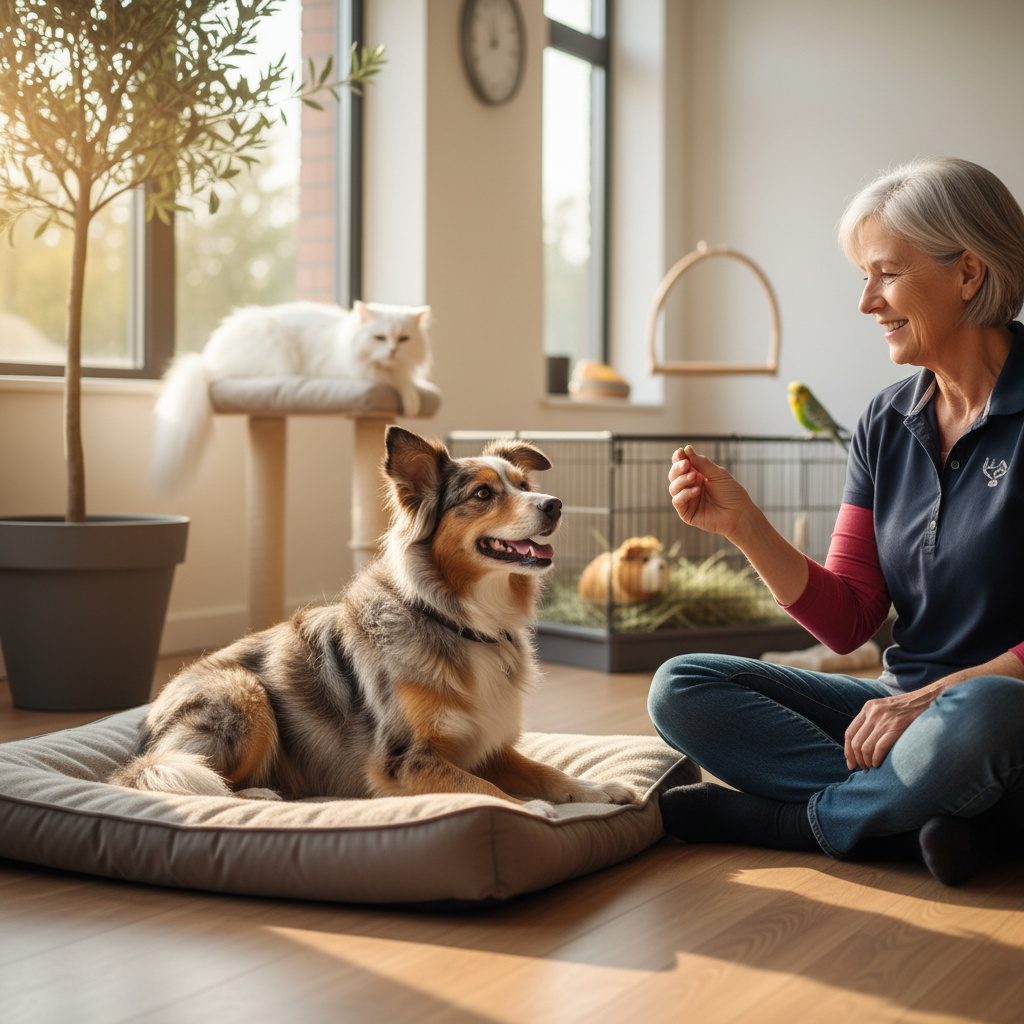
A dedicated safe room is the single most practical management tool for the holiday weekend. The aim is to soften the sound and light and to give the dog a familiar place where it has always felt secure. Prepare it a week or two ahead.
- Pick an interior room with the fewest exterior walls and windows, such as a hallway, bathroom, or walk in closet on the side of the home away from the street.
- Buffer the sound with soft furnishings, blankets over windows, and a closed door. Heavy curtains and rugs absorb noise and block flashes.
- Add steady background sound, such as a fan, an air conditioner, white noise, or familiar music at a moderate, constant volume. In a Southern summer, running the AC doubles as cooling and masking.
- Provide a familiar bed the dog already likes, plus a worn item carrying your scent. For a senior dog, choose orthopedic, easy access bedding that respects stiff joints.
- Consider a covered crate only if the dog already treats it as a den. Never lock a fearful dog in a crate it dislikes, as confinement can intensify panic.
Give the dog the choice to enter and leave freely in the days beforehand, and feed treats or meals there to build positive associations. Senior dogs with cognitive change benefit from predictability, so keeping the room consistent and gently guiding them to it as dusk approaches reduces confusion. If your dog finds quiet, controlled indoor environments calming in general, the principles in our article on Quiet Indoor Daycare for Anxious Small Dogs in Jangma translate well to a home safe room.
Behavior Modification That Lasts
Long term improvement comes from changing how the dog feels about the noise, not just hiding it. Two evidence based methods, endorsed by groups such as the American Veterinary Society of Animal Behavior, sit at the core of humane noise fear treatment. Both take weeks, so they are best started outside the holiday rush.
Desensitization
Desensitization exposes the dog to the frightening sound at a very low intensity, well below the threshold that triggers fear, and only gradually increases it as the dog stays relaxed. Commercial firework sound recordings can be played softly during pleasant activities. Keep the volume low enough that the dog notices but does not react. Moving too fast is the most common mistake and can sensitize the dog further.
Counter-conditioning
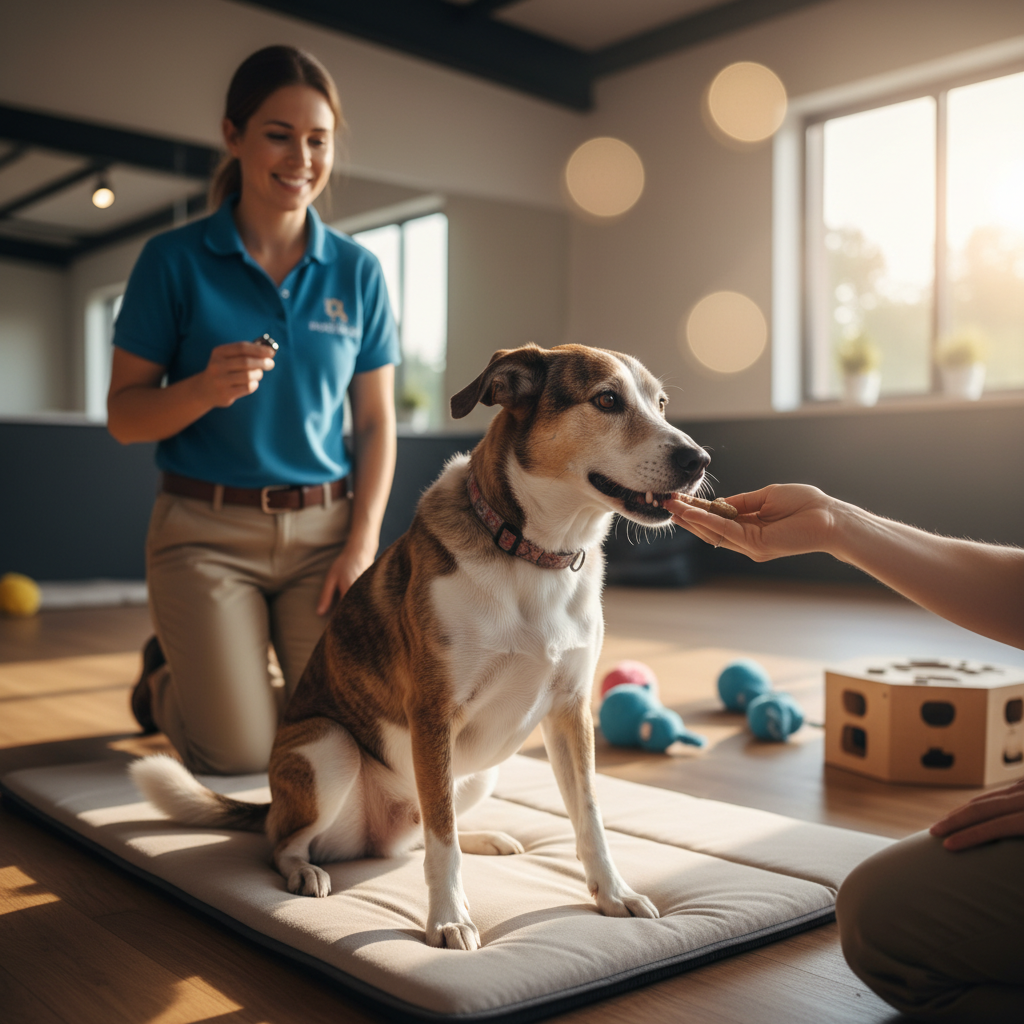
Counter-conditioning pairs the low level sound with something the dog loves, usually high value food, so the brain begins to associate the noise with good outcomes rather than danger. Over many short sessions the emotional response can shift from fear toward anticipation. Combined and progressed slowly, these methods help many dogs, although senior dogs with cognitive decline may progress more slowly and need extra patience.
What to Avoid
Never punish fearful behavior. Scolding a panicking dog adds a second threat and deepens the fear. Avoid flooding, which means forcing the dog to endure full intensity fireworks in the hope it will get used to them. Flooding is inhumane and frequently makes noise phobia far worse. It is also a myth that comforting a frightened dog reinforces fear. Fear is an emotional state, not a trained trick, so calm physical reassurance is appropriate if the dog seeks it.
Management During the Weekend
Because behavior change is slow, management carries the load during the holiday itself. The goal is to keep the dog below its panic threshold and prevent trigger stacking across multiple nights.
- Shift the routine. Walk and toilet the dog earlier in the day and at dusk, before displays begin, and avoid the hottest part of the afternoon for a senior dog.
- Feed the main meal earlier so digestion is not disrupted by later stress, and a satisfied dog settles more easily.
- Secure the home and ID. Lock doors and gates, close windows, and confirm that your dog's collar tag, microchip registration, and rabies and license records are current. State rabies laws require proof of vaccination, and an up to date microchip registry such as AKC Reunite or HomeAgain is what reunites most lost dogs. More pets go missing around July 4th than at almost any other time of year.
- Move the dog to the safe room early, before the first bang, while it is still calm.
- Stay home if you can. A familiar, relaxed person is reassuring. If you must be out, a calm sitter or a quiet boarding option can help. Our overview of Choosing Doggy Daycare in Sweden for Midsummer outlines what to look for.
- Offer licking and chewing outlets, such as a stuffed food toy, since sustained licking and chewing are naturally calming.
A Calm Settling Plan
- Daytime: gentle exercise and enrichment, with a final toilet trip before dusk.
- Early evening: early meal, then settle the dog in the prepared safe room with background sound running.
- As displays begin: keep the household calm, offer food toys, and let the dog choose where to settle. Do not force interaction.
- During peaks: stay present and matter of fact. Quiet reassurance is fine. Never drag the dog to a window to show it the fireworks.
- After the noise: resume the normal routine gently and note how long recovery takes, which helps you and any professional gauge severity for next year.
Supplements, Aids, and Medication
Supportive aids exist, including pressure wraps, calming pheromone diffusers, and nutritional supplements. Evidence varies and results differ between individuals, so treat these as part of a wider plan rather than a cure. For senior dogs with significant noise phobia, your veterinarian may discuss anti anxiety medication. Modern veterinary behavior practice favors medications that genuinely reduce fear over older sedatives that immobilize a dog while leaving it frightened. Any medication decision must be made by a veterinarian who knows the dog's full history, since older dogs often have liver, kidney, or cardiac considerations. Never give human medicines or share products between pets. If your dog ingests something during a chaotic holiday gathering, the ASPCA Animal Poison Control Center is a recognized national resource, and for any after hours emergency contact
ASPCA Animal Poison Control Center
Call the ASPCA Poison Control hotline or contact your nearest emergency veterinary clinic immediately.
A consultation fee may apply. For non-poison emergencies, search "emergency vet near me" or call your local animal ER.
When to Consult a Behavior Professional
Mild noise caution can often be managed at home, but professional help is appropriate, and sometimes essential, in several situations. Look for a board certified veterinary behaviorist (a Diplomate of the American College of Veterinary Behaviorists), a certified applied animal behaviorist, or a qualified member of the IAABC, ideally working with your veterinarian, when you see:
- Panic that does not ease for hours, or recurs each night and worsens
- Escape attempts, destruction, or self injury
- Refusal to eat, toilet, or move during and after fireworks
- Any fear linked aggression, which is frequently misread as stubbornness when the body language clearly signals fear
- A senior dog showing new or rapidly worsening anxiety, which warrants both a medical work up and a behavior assessment
A combined medical and behavioral approach gives senior dogs the best outcome. Pain management, treatment of cognitive dysfunction, a structured desensitization and counter-conditioning program, and appropriate medication can together transform a dog's experience of the Fourth of July. Start early, prioritize welfare over quick fixes, and remember that an aging dog's fear is a request for help, not defiance.
This article is for educational purposes and does not replace individual veterinary or behavioral advice. Always consult your veterinarian or a certified behaviorist for a plan tailored to your dog.
Frequently Asked Questions
Why is my senior dog suddenly scared of fireworks when she never used to be? ↓
How do I keep my dog from getting lost during July 4th fireworks? ↓
Can my vet prescribe medication for my dog's fireworks anxiety? ↓
Does comforting my frightened dog make the fear worse? ↓
When should I call a behavior professional instead of managing at home? ↓

David Okafor
Certified Animal Behaviourist
Certified animal behaviourist — science-based strategies for fear, anxiety, reactivity, and behavioural challenges.
Content Disclosure
This article was created using state-of-the-art AI models with human editorial oversight. It is intended for informational and entertainment purposes only and does not constitute veterinary medical advice. Always consult a licensed veterinarian for your pet's specific health needs. Learn more about our process.