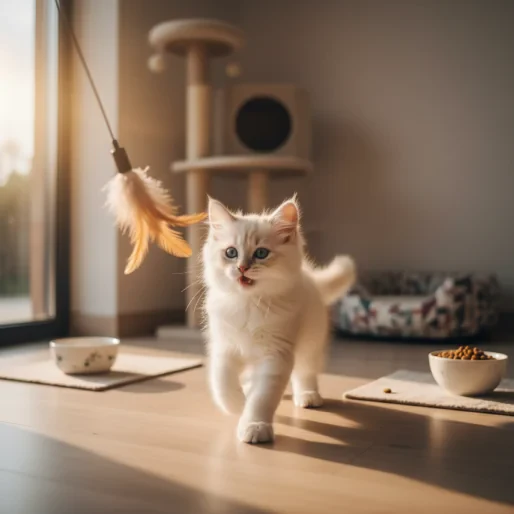
Kitten season floods American shelters with millions of kittens each year from April through October. This guide covers everything US adopters need to know, from state rabies laws and AVMA vaccination guidelines to realistic first year costs in dollars.
Key Takeaways
- American shelters take in an estimated 3.2 million cats annually according to the ASPCA, with the heaviest influx during spring and summer kitten season.
- Rabies vaccination is legally required in most US states, and licensing and vaccination timelines vary by jurisdiction.
- First year costs for a kitten in the United States typically range from $1,000 to $2,500 depending on location and veterinary pricing.
- The AVMA recommends spaying or neutering before five months of age to prevent unwanted litters.
- Climate hazards vary widely across the country: heat stress in southern states, coyote and wildlife risks in suburban and rural areas, and seasonal flea pressure that peaks alongside kitten season.
Understanding Kitten Season Across the United States
Kitten season in the US generally runs from April through October, though the timing shifts based on regional climate. In warmer southern states like Texas, Florida, and Arizona, kitten season can start as early as February or March, while northern states such as Minnesota, Wisconsin, and Maine may not see peak intake until May or June. This seasonal pattern is driven by increasing daylight hours, which trigger estrus cycles in unspayed female cats.
The scale is significant. The ASPCA estimates that approximately 3.2 million cats enter US shelters each year, and a substantial proportion of those are kittens arriving during peak season. Many shelters operate at or beyond capacity during these months, making adoption an especially impactful choice between April and September.
State by State: Rabies Laws and Vaccination Requirements
One area where US kitten adoption differs meaningfully from other countries is the patchwork of state and local rabies laws. Rabies vaccination is mandatory for cats in the majority of US states, though the specific requirements vary:
- Timing: Most states require the first rabies vaccination between 12 and 16 weeks of age, with a booster at one year, followed by three year boosters thereafter.
- Licensing: Many municipalities require cat licensing or registration, and proof of rabies vaccination is typically a prerequisite.
- Penalties: In some jurisdictions, failure to vaccinate against rabies can result in fines, and an unvaccinated cat that bites someone may face mandatory quarantine or, in worst case scenarios, euthanasia for rabies testing.
Check with your county or city animal control office for the specific rules in your area. The American Veterinary Medical Association (AVMA) maintains general guidance, but local ordinances are what apply to you directly.
The First Vet Visit: What to Expect and What It Costs
Veterinary guidelines recommend scheduling a wellness exam within 48 to 72 hours of bringing a kitten home. In the US, this initial visit typically costs between $75 and $200 depending on the clinic and region, with urban areas and coastal cities generally charging more than rural practices.
The visit should include a full physical examination covering eyes, ears, mouth, heart, lungs, and abdomen. Expect a fecal test for intestinal parasites (typically $25 to $50), a body condition assessment, and a discussion of the vaccination schedule. Bring all paperwork from the shelter or rescue organization so the veterinarian can see what vaccines and deworming treatments have already been administered.
This visit also establishes your kitten as a patient of record, which is important if you need urgent care later. Ask the clinic for their after hours emergency protocol and save that number in your phone immediately.
ASPCA Animal Poison Control Center
Call the ASPCA Poison Control hotline or contact your nearest emergency veterinary clinic immediately.
A consultation fee may apply. For non-poison emergencies, search "emergency vet near me" or call your local animal ER.
Core Vaccinations for US Kittens
The American Association of Feline Practitioners (AAFP) recommends the following core vaccines for all kittens regardless of lifestyle:
- FVRCP (feline viral rhinotracheitis, calicivirus, panleukopenia): A combination vaccine typically started at 6 to 8 weeks of age, with boosters every 3 to 4 weeks until 16 weeks of age.
- Rabies: Legally required in most states, usually administered at 12 to 16 weeks of age.
Non-core vaccines, such as feline leukemia virus (FeLV), are recommended based on risk factors. The AAFP suggests FeLV vaccination for all kittens under one year of age, with ongoing boosters determined by lifestyle. Kittens with any outdoor access or exposure to cats of unknown status are considered higher risk.
Expect to pay between $80 and $200 for the initial kitten vaccination series, though many shelters include the first round in their adoption fee.
Spay, Neuter, and the Five Month Goal
The AVMA and the American Animal Hospital Association (AAHA) both support pediatric spay and neuter, recommending the procedure before five months of age. Cats can reach sexual maturity as early as four months, a fact that catches many first time owners off guard.
Most US shelters and rescue organizations now spay or neuter kittens before adoption, often as early as eight weeks and two pounds of body weight. If your kitten has not yet been fixed, the typical cost ranges from $200 to $500 at a private veterinary clinic. Low cost spay and neuter programs, operated by organizations such as the ASPCA, local humane societies, and programs listed through the PetSmart Charities SNAP database, can reduce this cost to $50 to $150 in many areas.
Kitten Proofing an American Home
Kitten proofing shares principles with baby proofing, but cats introduce unique challenges due to their climbing ability and tendency to ingest non-food items. Priority hazards in US homes include:
- Toxic plants: Lilies (all true lily species, including Easter lilies commonly sold in US stores during spring) are extremely toxic to cats and can cause fatal kidney failure from minimal exposure. The ASPCA Animal Poison Control Center fields thousands of lily related calls annually. Other common US houseplants to remove include pothos, sago palm, and dieffenbachia.
- String and linear foreign bodies: Hair ties, dental floss, ribbon, and rubber bands are among the most common causes of emergency intestinal surgery in young cats. These surgeries frequently cost $2,000 to $5,000 or more at US emergency clinics.
- Household chemicals: Standard cleaning products, laundry pods (which are brightly colored and attract curious kittens), and essential oil diffusers all pose risks. The ASPCA Animal Poison Control hotline (888-426-4435) is a 24/7 resource, though note that a $95 consultation fee applies per case.
- Windows and screens: High rise syndrome is a documented veterinary emergency. Ensure all windows have secure screens, particularly in apartments. Standard US window screens are often flimsy enough for a determined cat to push through.
- Reclining furniture and garage doors: Reclining chairs and sofas with mechanical footrests are a surprisingly common cause of crush injuries in kittens. Garage doors without auto reverse sensors pose similar risks.
Climate Considerations by Region
The United States spans an enormous range of climates, and kitten care advice should reflect that:
- Southern and Southwestern states (Texas, Florida, Arizona, Georgia): Heat is a primary concern. Kittens should never be left in vehicles, even briefly, as interior car temperatures can exceed 120°F within minutes on a warm day. Ensure adequate water and cool resting areas indoors.
- Northern states (Minnesota, Michigan, New England): Harsh winters mean outdoor access should be especially restricted. Feral and stray kittens found during transitional spring weather may be hypothermic and need veterinary attention before standard intake procedures.
- Western states (California, Oregon, Colorado): Wildfire smoke is an increasingly relevant concern. Cats are sensitive to smoke inhalation, and during fire season, kittens with respiratory infections can deteriorate quickly in poor air quality. Keep windows closed during smoke events and monitor air quality indexes.
- Suburban and rural areas nationwide: Coyotes are present in all 50 states including urban areas and are a genuine predation risk for kittens and small cats allowed outdoors.
Realistic First Year Costs in USD
Adoption fees at US shelters typically range from $50 to $200, and many shelters include initial vaccinations, deworming, a microchip, and spay or neuter in that fee. However, the adoption fee represents a small fraction of first year expenses.
A realistic first year budget for a kitten in the US includes:
- Initial veterinary visit and kitten vaccine series: $200 to $400
- Spay or neuter (if not included in adoption): $200 to $500
- Microchipping (if not included): $45 to $75
- Monthly flea and tick prevention: $15 to $30 per month ($180 to $360 annually)
- Kitten food (quality commercial diet meeting AAFCO standards): $30 to $60 per month ($360 to $720 annually)
- Litter and litter box supplies: $15 to $40 per month ($180 to $480 annually)
- Basic supplies (carrier, scratching posts, toys, bowls): $100 to $250
Total first year costs typically fall between $1,000 and $2,500, with higher costs in metropolitan areas. Emergency veterinary visits, which are not uncommon with curious kittens, can add $500 to $3,000 or more per incident.
Pet Insurance: Starting Early in a High Cost Veterinary Market
The US pet insurance market has grown substantially, with the North American Pet Health Insurance Association (NAPHIA) reporting over 5.36 million insured pets as of recent data. Insuring a kitten early, before any pre-existing conditions are documented, is generally the most cost effective approach.
Monthly premiums for kitten policies from major US providers typically range from $20 to $50 per month depending on coverage level, deductible, and location. Key factors to evaluate include annual coverage limits, reimbursement percentages (commonly 70%, 80%, or 90%), waiting periods for illness and accident coverage, and whether the policy covers hereditary conditions, dental care, and chronic disease management.
Given that a single emergency surgery can cost $3,000 to $7,000 at a US emergency veterinary hospital, insurance can provide meaningful financial protection.
Feeding Your Kitten: US Standards and Practical Advice
In the United States, look for kitten food that carries an AAFCO nutritional adequacy statement for "growth" or "all life stages." This statement, required on all commercial pet food sold in the US, confirms the food meets minimum nutritional standards through either feeding trials or formulation analysis.
Kittens need higher protein, higher fat, and more calories per pound of body weight than adult cats. Wet food is often preferred for kittens because it supports hydration and is easier for small mouths to manage. Transition gradually from whatever the shelter was feeding over 7 to 10 days, mixing increasing proportions of the new food with the old to prevent digestive upset.
When to Call the Vet Immediately
First time adopters in the US should have two numbers saved: their regular veterinarian's office line and the nearest emergency veterinary clinic. Unlike some countries with national veterinary advice lines, the US system relies on individual clinics and emergency hospitals. Seek urgent care if your kitten shows:
- Difficulty breathing or open mouth breathing
- Refusal to eat or drink for more than 12 to 24 hours
- Vomiting or diarrhea lasting more than 24 hours, or containing blood
- Straining in the litter box without producing urine
- Sudden lethargy or unresponsiveness
- Seizures or loss of coordination
- Suspected ingestion of any toxic substance
The ASPCA Animal Poison Control Center (888-426-4435) operates 24 hours a day, 7 days a week for toxin exposures. The Pet Poison Helpline (855-764-7661) is another option, with a per case fee of approximately $85.
ASPCA Animal Poison Control Center
Call the ASPCA Poison Control hotline or contact your nearest emergency veterinary clinic immediately.
A consultation fee may apply. For non-poison emergencies, search "emergency vet near me" or call your local animal ER.
Myth vs. Reality for US Adopters
| Myth | Reality |
|---|---|
| Declawing is a reasonable solution for scratching. | Declawing (onychectomy) is banned in New York State and several US cities including Los Angeles, Denver, and St. Louis. The AVMA discourages the procedure, and the AAFP strongly opposes it. It involves amputation of the last bone of each toe and is associated with chronic pain and behavioral problems. |
| Indoor cats in the US do not need vaccinations. | Core vaccinations are recommended for all cats regardless of lifestyle. Rabies vaccination is legally required in most states even for indoor only cats. Pathogens can enter on shoes, clothing, or during brief escapes. |
| Shelters charge too much for adoption. | Most US shelter adoption fees ($50 to $200) include vaccinations, microchipping, and spay or neuter surgery that would cost $400 to $800 or more at a private clinic. Adoption fees represent a significant discount on the veterinary care already provided. |
| Kittens should drink cow's milk. | Most cats are lactose intolerant after weaning. Cow's milk commonly causes diarrhea. Fresh water alongside age appropriate food is all a weaned kitten needs. |
| You can use dog flea products on cats to save money. | Never apply canine flea products to cats. Many dog formulations contain permethrin, which is potentially fatal to cats. This is one of the most common and preventable poisoning calls received by the ASPCA Animal Poison Control Center. |
First Time Kitten Adopter Checklist
- Schedule a vet visit within 48 to 72 hours of adoption
- Bring all shelter paperwork (vaccines, deworming records, microchip number)
- Verify your state and local rabies vaccination requirements
- Set up a quiet base camp room with litter box, food, water, and hiding spots
- Remove Easter lilies and other toxic plants from the home
- Secure windows with sturdy screens (standard US screens may not hold)
- Purchase kitten specific food meeting AAFCO growth standards
- Provide scratching posts (vertical and horizontal options)
- Save your vet's number and the nearest emergency vet clinic number in your phone
- Save the ASPCA Poison Control number: 888-426-4435
- Discuss spay or neuter timing (before five months per AVMA and AAHA guidelines)
- Get pet insurance quotes before any conditions are documented
- Begin gentle daily handling of paws, ears, and mouth from day one
- Plan slow introductions if other pets are in the household
Frequently Asked Questions
When does kitten season start in the United States? ↓
Is rabies vaccination required for kittens in the US? ↓
How much does it cost to adopt and care for a kitten in the first year in the US? ↓
Are Easter lilies dangerous for kittens? ↓
What is the ASPCA Animal Poison Control number? ↓
Is declawing legal in the United States? ↓
When should a kitten be spayed or neutered in the US? ↓

Hannah Cole
Pet Owner Community Advisor
Pet owner community advisor — calm, clear answers to the questions every pet parent asks.
Content Disclosure
This article was created using state-of-the-art AI models with human editorial oversight. It is intended for informational and entertainment purposes only and does not constitute veterinary medical advice. Always consult a licensed veterinarian for your pet's specific health needs. Learn more about our process.