Warm water holds less oxygen, and Thailand's hot season pushes tropical tanks to the edge. Learn the science, safe cooling, and a daily routine to keep fish breathing easy.
Key Takeaways
- Warm water holds less oxygen. As temperature rises, the amount of dissolved oxygen water can carry falls, while fish metabolism and oxygen demand climb at the same time.
- Surface agitation drives gas exchange. Most oxygen enters at the water surface, so aeration and movement matter more than the depth of your tank.
- Cool gradually, not suddenly. Fans and chillers are the safest tools. Avoid dumping ice or making rapid temperature swings.
- Reduce bioload and feeding in heat. Less food and a lighter stocking load mean lower oxygen demand and less waste.
- Monitor daily during the hottest weeks. Track temperature morning and evening, watch for surface gasping, and act early.
What's Happening Inside Your Aquarium: The Science, Explained Simply
During Thailand's hot season, roughly March through May, air temperatures regularly climb into the high 30s Celsius, and indoor aquariums quietly follow. For tropical fish this creates a hidden squeeze, because two things happen at once: the water can hold less oxygen, and the fish need more of it.
The first part comes down to basic gas solubility. Cooler water can dissolve more gas than warmer water. As an aquarium warms from a comfortable 26 C toward 30 C or higher, the maximum amount of dissolved oxygen (often abbreviated DO) it can carry drops measurably. The water is not losing oxygen because anything is wrong, it simply has less capacity to hold it.
The second part is biological. Fish are ectotherms, meaning their body temperature and metabolic rate track the water around them. Warmer water speeds up metabolism, so the heart beats faster, the gills work harder, and the demand for oxygen rises. Veterinary and fisheries physiology describe this clearly: at the very moment supply falls, demand increases. The gap between the two is where trouble begins.
Beneficial bacteria in your filter and the broader microbial community also respire faster in heat, consuming oxygen as they process waste. A heavily stocked or heavily fed tank in hot weather can therefore experience a steep overnight oxygen decline, because plants and algae stop producing oxygen in the dark and start consuming it instead. The early morning hours, just before the lights come on, are often when oxygen sits at its lowest point.
Why Surface Area Matters More Than Volume
Oxygen enters aquarium water almost entirely at the surface, where water meets air. The larger and more disturbed that surface, the faster oxygen diffuses in and carbon dioxide escapes out. This is why a wide, shallow tank often copes better in heat than a tall, narrow one of the same volume, and why surface agitation is the single most powerful lever most owners can pull.
How to Recognise the Signs of Low Oxygen
Fish cannot tell you they are short of breath, so learning to read their behaviour is essential during the hottest weeks. Owners commonly report a recognisable sequence as oxygen falls.
Early Behavioural Signs
- Surface gasping or piping. Fish hovering at the very top, mouthing at the surface film, is a classic warning. It means they are seeking the most oxygen-rich layer of water.
- Crowding near filter outlets or airstones. Fish gathering where water movement is strongest are chasing oxygen.
- Rapid gill movement. Faster, more pronounced gill beats indicate the fish is working harder to extract oxygen.
- Lethargy and loss of appetite. Fish that ignore food or rest on the bottom may be conserving energy under stress.
Which Fish Struggle First
Larger, more active species and heavily muscled fish tend to show distress earlier than small, sluggish ones. Bottom dwellers and labyrinth fish (such as bettas and gouramis, which can breathe atmospheric air) may mask problems longer, which can be misleading. If even your hardier fish start gasping, the whole tank is likely affected and action is urgent.
It is worth noting that surface gasping can also signal other problems, including high ammonia, gill parasites, or disease. Heat-driven oxygen shortage and water quality problems often overlap, which is exactly why monitoring temperature alongside behaviour gives you a clearer picture.
What the Science Says About Prevention
The good news is that the physics works in your favour once you understand it. Prevention rests on two pillars: getting more oxygen into the water, and reducing how much oxygen the tank consumes.
Increasing Surface Agitation and Aeration
Because gas exchange happens at the surface, anything that ripples, churns, or breaks the surface helps. Practical, evidence-aligned approaches include:
- Air pumps and airstones. The rising bubbles do a little gas exchange themselves, but their main benefit is the circulation and surface disturbance they create as they reach the top.
- Adjusting filter outlets. Angling a spray bar or outlet so it ripples the surface, or lowering the water line slightly so the return splashes, dramatically improves oxygenation at no cost.
- Adding a powerhead or circulation pump. Better water movement prevents stagnant warm pockets and keeps oxygen-poor bottom water mixing with the surface.
During the hottest weeks, professional consensus in aquatic husbandry is to run extra aeration around the clock, and especially overnight when oxygen naturally bottoms out.
Safe Cooling Methods: Fans and Chillers
Lowering the temperature directly raises oxygen capacity and lowers demand, but how you cool matters enormously. Rapid temperature swings are themselves a serious stressor, so the goal is gentle, controlled cooling.
Cooling fans are the most accessible tool. A small clip-on fan blowing across the water surface causes evaporative cooling and can lower temperature by a few degrees, often enough to make the difference. Evaporation removes heat efficiently, but it also speeds water loss, so top up regularly with dechlorinated water and watch that you do not overcool a tank that does not need it.
Aquarium chillers are the gold standard for precise control, particularly for larger tanks, sensitive species, or homes without air conditioning. A thermostatically controlled chiller holds a stable target temperature and removes the guesswork. They represent a higher cost, but for valuable livestock or persistent extreme heat they are the most reliable option.
Air conditioning the room stabilises the whole environment and is one of the gentlest approaches where it is available. Even keeping a room a few degrees cooler reduces the load on the tank.
A note of caution on the popular ice-bottle method: floating a frozen bottle of (dechlorinated) water can provide short-term relief in an emergency, but it cools unevenly and risks sharp temperature swings. Treat it as a stopgap while you set up fans or a chiller, not a daily strategy. Never add ice or cold tap water directly to the tank.
Reducing Bioload and Feeding in Heat
Every fish, every uneaten flake, and every piece of waste consumes oxygen as it is processed. Lightening that load is one of the most underrated heat-season tactics.
- Feed less, and feed lighter. Fish metabolism is faster in warmth, but their overall appetite and your margin for error shrink. Smaller portions that are fully eaten within a couple of minutes prevent decaying food from driving up oxygen demand and ammonia. Many keepers reduce feeding frequency during peak heat.
- Avoid adding new stock during the hot season. A higher fish count means higher oxygen demand. Hold off on new additions until temperatures stabilise.
- Keep up on maintenance, gently. Removing waste and uneaten food through modest, regular water changes lowers the organic load. Match the temperature of replacement water closely to avoid shocking the fish.
- Do not overclean the filter. Your beneficial bacteria are working overtime in heat. Rinse media in tank water, never under hot tap water, to protect that biological filtration.
A Daily Monitoring Routine for the Hottest Weeks
When the weather turns extreme, a simple, repeatable routine turns guesswork into early warning. The aim is to catch a rising temperature or a stressed fish before it becomes a crisis.
Morning Check
- Read the temperature first thing, ideally with a reliable thermometer that stays in the tank. Early morning is when oxygen is lowest, so this reading is the most telling.
- Observe behaviour for two minutes. Are fish gasping at the surface or crowding the filter? Calm, evenly distributed fish are a good sign.
- Check equipment. Confirm fans, air pumps, and chillers are running and that the airstone is still producing bubbles.
Midday Check
- Take the peak temperature. The hottest part of the day reveals how high your tank is climbing. If it is creeping toward the upper limit for your species, increase aeration and cooling.
- Top up evaporated water with temperature-matched, dechlorinated water if you are using fans.
Evening Check
- Re-read temperature and note the day's range. A swing of more than a couple of degrees within a day is worth addressing with more stable cooling.
- Feed conservatively and remove anything uneaten promptly.
- Confirm overnight aeration is set to run, since the hours before dawn are the riskiest.
Keeping a brief log, even a note on your phone, helps you spot trends. A tank that climbs a little higher each day, or fish that gasp slightly earlier each morning, tells you to intervene before an emergency arrives.
When to Seek Professional Advice, and What to Ask
Most heat-season oxygen problems can be managed at home with the steps above, but some situations call for expert input from an aquatic veterinarian or an experienced fish health professional. Seek advice when:
- Fish continue gasping despite strong aeration and cooling, which may point to gill disease, parasites, or a water quality problem rather than temperature alone.
- You see sudden deaths, or multiple fish declining together over a short period.
- Fish show physical signs such as reddened or swollen gills, frayed fins, white patches, or laboured breathing that does not ease.
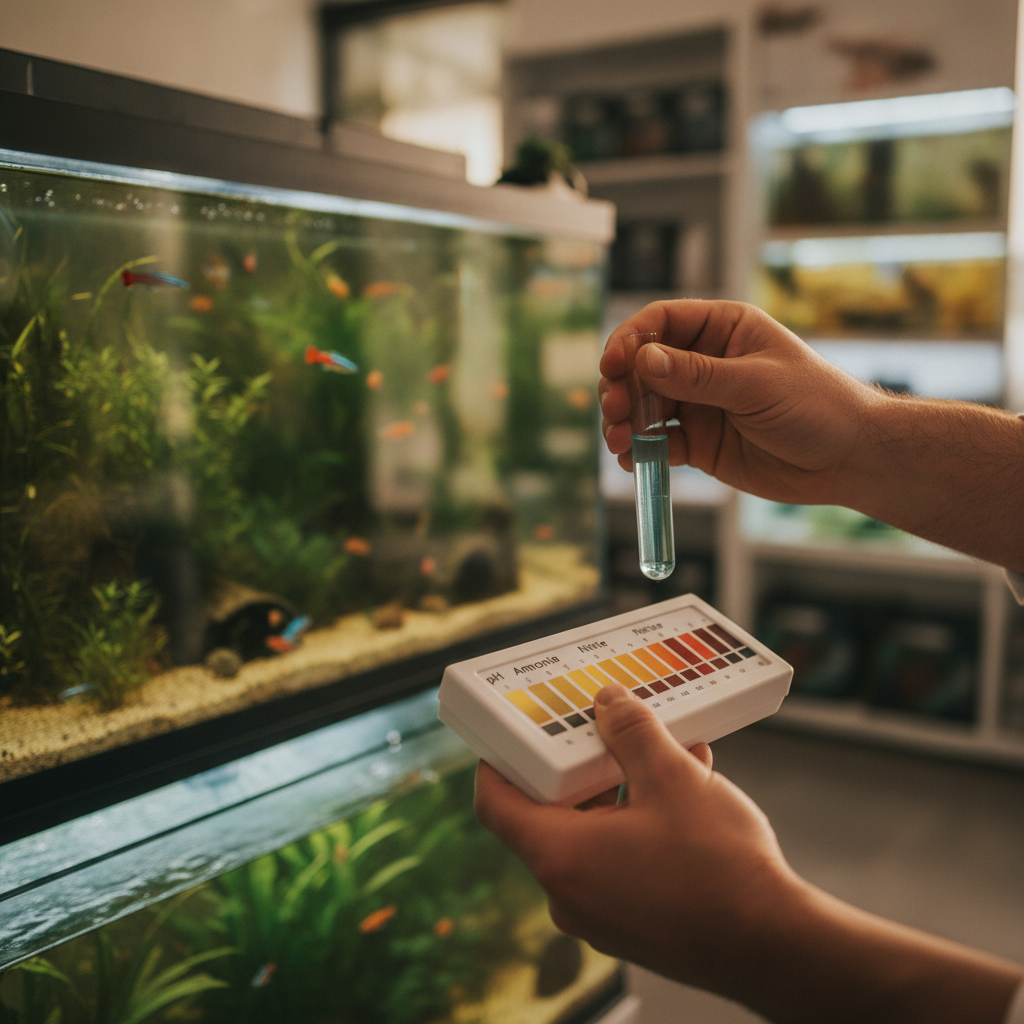
- Water test results for ammonia, nitrite, or pH are abnormal and you are unsure how to correct them safely.
When you consult a professional, useful questions include: What temperature range is ideal for my specific species? Could my symptoms be disease rather than heat stress? Is my stocking level appropriate for hot-season conditions? And how should I safely cool the tank given its size and inhabitants? Bringing your monitoring log and recent water test numbers makes that conversation far more productive.
Aquatic medicine is a specialised field, and not every general practice treats fish, so it can help to identify an aquatic or exotics veterinarian before an emergency arises. The same principle of preparing for predictable seasonal stress applies across pet care, whether you are adjusting pond nutrition for koi and goldfish in summer, planning a cooling diet for parrots in a hot, humid season, or keeping cats hydrated through summer power cuts.
Bringing It Together
Thailand's hot season tests every tropical aquarium, but the underlying problem is predictable and manageable. Warm water simply holds less oxygen while your fish demand more, so the whole strategy comes down to widening that margin: drive oxygen in through surface agitation and aeration, bring the temperature down gently with fans, chillers, or air conditioning, and lighten the load by feeding less and avoiding new stock. Layer a short daily monitoring routine on top, and you will catch the warning signs early, long before they become an emergency. With a little preparation, your fish can ride out even the hottest weeks calmly and safely.
This article is for educational purposes only and does not replace consultation with a licensed veterinarian or qualified aquatic health professional.
Frequently Asked Questions
Why does warm water hold less oxygen in my aquarium? ↓
What is the safest way to cool a tropical tank during a heatwave? ↓
How do I know if my fish are short of oxygen? ↓
Should I feed my fish less during the hot season? ↓
Does an airstone actually add oxygen to the water? ↓

Dr. James Harrington
Veterinarian & Pet Health Writer
Veterinarian and health writer — translating complex medical topics into clear, actionable guidance for pet owners.
Content Disclosure
This article was created using state-of-the-art AI models with human editorial oversight. It is intended for informational and entertainment purposes only and does not constitute veterinary medical advice. Always consult a licensed veterinarian for your pet's specific health needs. Learn more about our process.