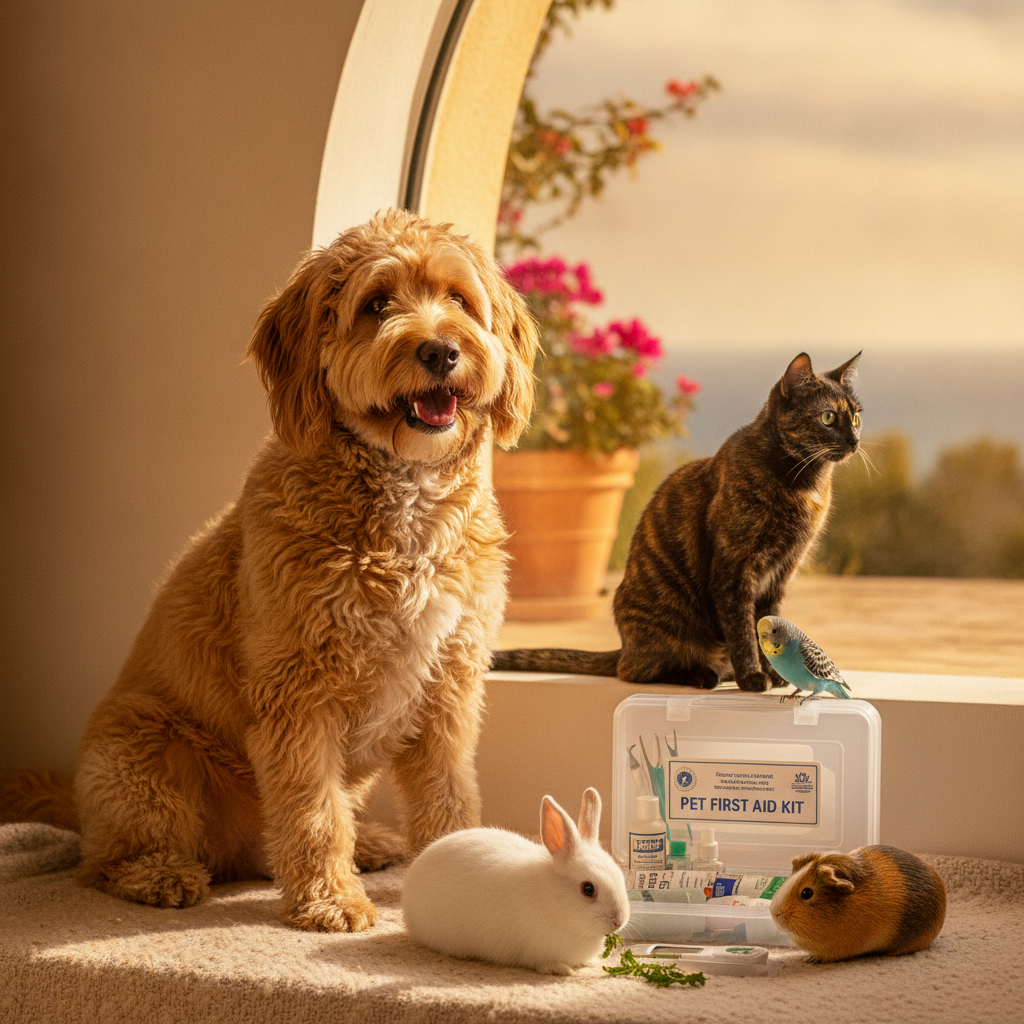
February and March bring a spike in snake activity across Australia. Learn why the Pressure Immobilisation Technique is critical for our local elapid species.
The Late Summer Surge: Feb-March Risks
In Australian emergency vet clinics, the calendar might say late summer, but the admissions board tells a different story. Late February and March represent a distinct, deadly spike in snakebite cases across the country. As the heat persists but the days begin to shorten, our native elapids, particularly Eastern Browns, Tiger Snakes, and Red-Bellied Blacks, become hyper-active before the cooler months arrive.
There is a persistent myth in the suburbs of Sydney and Melbourne that juvenile snakes are more dangerous because they "can't control their venom." From a critical care perspective, this is irrelevant. A bite is a medical emergency. While a large King Brown delivers a massive venom load, a juvenile Eastern Brown can still deliver enough neurotoxin and pro-coagulants to induce rapid Venom-Induced Consumption Coagulopathy (VICC) or respiratory paralysis.
The outcome of a snakebite in Australia is rarely decided by the snake; it is decided by the owner's application of the Pressure Immobilisation Technique (PIT) and rapid transport.
Key Takeaways: Aussie Emergency Triage
- Stillness is Survival: Venom moves via the lymphatic system. Movement pumps venom into the bloodstream.
- Bandage, Don't Wash: Apply a pressure bandage immediately, but never wash the wound site (we need surface venom for identification).
- Ignore the Movies: Never cut, suck, or apply an arterial tourniquet.
- Identify from Afar: Do not try to kill the snake. A photo is helpful, but 60% of bites happen when people try to interact with the snake.
Recognizing the "Silent" Killer
Australian owners often expect a dramatic scene, a strike, a yelp, and two large puncture wounds. In reality, bites from species like the Eastern Brown are often painless and virtually invisible due to their short fangs. A dog may simply yelp once in long grass and then return to play.
You must watch for the physiological shift rather than the wound. The classic Australian presentation is the "Collapse and Recover" phenomenon: the dog collapses suddenly, potentially vomits or urinates, and then stands up appearing normal. This is a sign of a massive envenomation where a sudden drop in blood pressure occurred. They are not "better"; they are in the latent phase before terminal paralysis.
- Dilated Pupils: A fixed stare that doesn't respond to light.
- Sudden Weakness: Hind limb ataxia (wobbliness) is often the first sign of Tiger Snake envenomation.
- Hematuria: Blood in the urine, indicating the venom is destroying muscle tissue or preventing clotting.
- Vomiting/Salivation: An early systemic reaction to the toxin load.
The Australian Protocol: Pressure Immobilisation
Global advice often warns against bandaging snakebites. This advice is incorrect for Australian snakes. Because our native snakes produce venom that travels primarily through the lymphatic system (rather than causing immediate local tissue rot like American vipers), restricting lymphatic flow is the single most effective first aid measure.
1. DO Apply a Pressure Immobilisation Bandage (PIT)
Use a broad elastic bandage (or clothing if necessary). Start at the toes/tail and bandage firmly up the entire limb towards the body, just as you would for a sprained ankle. It should be firm enough to compress the skin but not so tight that it stops blood flow. You should still be able to slip a finger under the edge.
2. DO Splint the Limb
Bandaging is useless if the dog continues to walk. Splint the leg using a stick or rigid object to prevent muscle movement, which pumps lymph.
3. DO NOT Wash the Site
In the US, cleaning the wound is standard. In Australia, it hinders treatment. We use a Snake Venom Detection Kit (SVDK) to swab the skin surface at the bite site. This tells us exactly which monovalent antivenom to use (Brown, Tiger, Black, etc.). If you wash the wound, we may have to rely on a generic Polyvalent antivenom, which requires a much higher volume and carries a higher risk of reaction.
Immediate Triage: The Golden Hour
If you suspect a bite, panic is your enemy. Elevating the heart rate circulates venom faster.
- Carry, Don't Walk: If the dog is 40kg, call a neighbour or family member to help carry them on a blanket or stretcher. Do not let the dog walk to the car.
- Call Ahead: This is vital. Not all vets stock expensive antivenom, and smaller clinics may not have 24-hour staffing to manage the ventilation required for paralysed patients.
Animal Emergency Service (AES)
Call the Animal Emergency Service or find your nearest 24-hour emergency vet clinic.
AES operates in QLD, NSW, and VIC. For other states, search for your nearest after-hours veterinary hospital.
- Keep Cool: Australian heat exacerbates stress. Blast the air conditioning in the car.
Veterinary Treatment: What to Expect
Upon arrival, your dog will be triaged immediately. Do not be alarmed if the team whisks them away without delay; we are racing against respiratory failure.
Diagnostics and SVDK
We will perform a blood clotting test immediately. For Brown snakes, the blood may fail to clot entirely. We will also run the SVDK using urine or a swab from the bite site to identify the immunotype of the venom.
Antivenom
Antivenom is the only neutralizing agent. In Australia, veterinary antivenom is highly effective but costly. One vial may be sufficient for a Red-Bellied Black Snake, but a large Eastern Brown envenomation may require multiple vials of Brown Snake Antivenom. Anaphylaxis is a risk, so we monitor patients intensely.
Ventilation
For Tiger Snake or Death Adder bites, the primary threat is paralysis. If the diaphragm becomes paralysed, we may need to manually ventilate the dog (breathe for them) or place them on a mechanical ventilator until the antivenom binds the toxins and nerve function returns.
Prevention in the Bush and Backyard
Prevention in late summer requires hyper-vigilance. Snakes are looking for water and shade.
Backyard Hygiene:
Keep grass mowed short. Remove sheets of tin, wood piles, or ground clutter where snakes hunt mice. Ensure your water bowls aren't attracting local wildlife right to your back door.
Snake Avoidance Training:
Consider professional avoidance training. In states like Queensland and WA, qualified trainers can teach dogs to recognize and retreat from the scent of local venomous species. This is particularly valuable for working breeds.
Leash Protocols:
Keep dogs on a lead in bushland, especially near waterways (prime Tiger Snake habitat). Retractable leashes are risky in snake country; a standard 1.8m lead keeps your dog on the path where visibility is best.
Australia is home to some of the world's most venomous creatures, but with the correct First Aid knowledge, survival rates are high. By understanding the Pressure Immobilisation Technique and refusing to move the patient, you become your dog's best chance of survival.
Frequently Asked Questions
Should I tourniquet a dog snakebite in Australia? ↓
Can I wash the snake bite wound? ↓
What are the signs of a Brown Snake bite in dogs? ↓

Dr. Ana Reyes
Emergency & Critical Care Veterinarian
Emergency and critical care veterinarian — life-saving first-aid guidance and emergency recognition for pet owners.
Content Disclosure
This article was created using state-of-the-art AI models with human editorial oversight. It is intended for informational and entertainment purposes only and does not constitute veterinary medical advice. Always consult a licensed veterinarian for your pet's specific health needs. Learn more about our process.