All Guides
Editorially reviewed guides on nutrition, training, grooming, and health. Practical wisdom for modern pet parents.

The Science Behind Canine Massage Therapy
Canine massage therapy supports muscle recovery, joint mobility, and post-exercise comfort in active dogs. This guide explains the physiology, signs to watch for, and when professional help is needed.

What Pet Sitting Insurance Should Cover in the UK
Pet sitting insurance in the UK must account for the Dangerous Dogs Act, mandatory microchipping laws, and specific licensing requirements. This guide covers what UK pet owners and sitters need to know about coverage, exclusions, and legal obligations.

GPS Pet Trackers for UK Owners: 2026 Compared
A practical comparison of GPS pet trackers available in the United Kingdom in 2026, with UK pricing in pounds, network coverage considerations, and advice tailored to British weather, regulations, and pet culture. Covers Tractive, Fi, PitPat, and Aorkuler.

Spring Parasite Prevention: Mistakes UK Pet Owners Make
Many UK pet owners underestimate parasite risks in our temperate climate. This guide covers the most common mistakes, from overlooking lungworm to stopping flea treatment in winter.

Spring Wellness Checklist for Senior Cats in the UK
A practical spring health checklist tailored for senior cats living in the UK. Covers kidney screening, dental checks, weight tracking, mobility reviews, and seasonal hazards specific to British homes and gardens.

Why Large Dogs Wait Longer in UK Rescue Centres
Large dogs in UK rescue centres typically wait two to three times longer for adoption than smaller breeds. Understanding the real reasons, from housing barriers to the XL Bully ban, helps prospective adopters make confident, informed decisions.
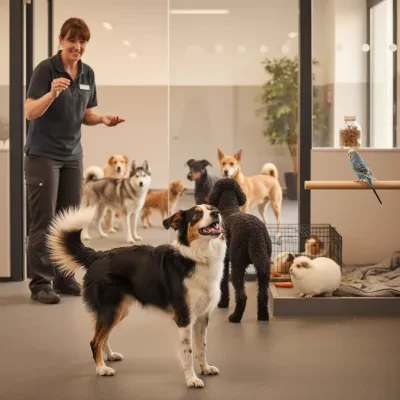
How to Evaluate Dog Daycare Play Groups in the UK
Choosing a dog daycare in the UK means understanding staffing ratios, play group management, and legal requirements under the Animal Welfare Act 2006. This guide covers what British dog owners should look for and what red flags to avoid.

How Dogs Behave in Hotel Rooms and Holiday Rentals: Managing Territorial Marking, Noise Sensitivity, and Unfamiliar Scent Anxiety Away From Home
Hotel rooms and holiday rentals confront dogs with a convergence of olfactory, acoustic, and territorial stressors that can trigger marking, vocalisation, and anxiety far beyond simple nerves. Understanding the root causes of these behaviours and applying evidence-based management strategies makes the difference between a stressful trip and a settled, enjoyable one.

What Pet Insurance Actually Pays Out in the UK: Understanding Excess, Co-Pay, and Annual Benefit Limits
The UK has one of the most developed pet insurance markets in the world, yet payout gaps at the claims stage remain a consistent source of financial distress for owners. Understanding how excess structures, co-pay clauses, and annual benefit limits interact is the most effective way to avoid unwelcome surprises when your pet needs care.

The First Emergency With a New Puppy: Recognising When Symptoms Require Immediate Vet Attention vs. Calm Observation at Home
New puppy owners often struggle to tell the difference between normal settling-in behaviour and a genuine medical crisis. This guide walks through the red-flag symptoms, first-aid steps, and decision-making framework that emergency veterinary medicine uses to triage a sick puppy.

What to Tell Your Dog Sitter About Your Dog's Breed Traits: High-Energy Working Dogs, Velcro Breeds, and Independent Sighthounds Compared
Breed heritage shapes everything from exercise requirements to escape risk, and a sitter who lacks that context may misread normal behaviour as a crisis, or miss a genuine one entirely. This guide covers the three most commonly misunderstood temperament groups and exactly what to document before you hand over the keys.

Grooming an Arthritic Dog at Home: Positioning, Adaptive Tools, and Techniques That Reduce Joint Stress During Brushing and Bathing
Arthritis changes everything about a dog's grooming routine, from the way they stand at the tub to how long they can tolerate a brush stroke near an inflamed hip. This guide covers professional-grade positioning strategies, adaptive equipment, and coat-type-specific techniques that keep senior dogs comfortable and clean without aggravating their joints.