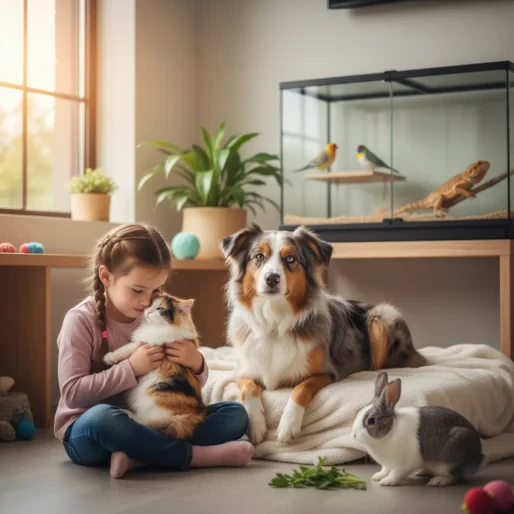
Losing a family pet is often a child's first encounter with death. This guide covers age-appropriate conversations, memorial activities, and signs that professional support may be needed.
Key Takeaways
- Honesty, delivered with warmth and age-appropriate language, is consistently recommended by child psychology professionals over euphemisms that can confuse young children.
- Children grieve in cycles: they may seem fine one hour and deeply upset the next. This is normal, not a sign of indifference.
- Memorial activities give children a sense of agency and help them process complex emotions through action rather than abstract conversation.
- Most children navigate pet loss with family support alone, but certain behavioural changes lasting beyond a few weeks may warrant consultation with a counsellor.
Why Pet Loss Matters So Much to Children
For many children, a family pet is not just an animal; it is a confidant, a source of unconditional comfort, and a fixture in daily routines. Professional guidance from organisations such as the American Academy of Child and Adolescent Psychiatry (AACAP) acknowledges that the death of a pet can be a child's first significant experience of grief. How the adults around them handle this moment can shape the way children understand loss, empathy, and emotional expression for years to come.
This guide provides a step-by-step framework for having honest conversations, creating meaningful memorials, and recognising when outside help is appropriate. It is designed for parents, carers, pet sitters, and anyone who supports a child through this difficult time.
Preparation: What You Need Before the Conversation
Gather Your Own Composure
Adults commonly report that their own grief makes it harder to support a child. Before sitting down with a young person, take a moment to process your own feelings. It is completely acceptable to show sadness in front of a child (it models healthy emotional expression), but having a rough plan of what to say reduces the chance of being overwhelmed mid-conversation.
Choose the Right Setting and Time
- Pick a quiet, familiar space where the child feels safe, such as their bedroom, a favourite spot in the garden, or the family sofa.
- Avoid starting the conversation right before school, bedtime, or another transition. Children need time to sit with their feelings.
- If the pet's death is anticipated (for example, a veterinarian has recommended euthanasia for a terminally ill companion), have the initial conversation before the event so the child is not blindsided.
Prepare Simple, Honest Language
Child development specialists consistently advise against euphemisms like "put to sleep" or "gone away." Young children tend to interpret language literally, and these phrases can create confusion or anxiety (for example, fear of going to sleep). Prepare clear, gentle phrasing such as:
- "Bella's body stopped working, and she has died."
- "The vet helped Max pass away peacefully so he would not be in pain anymore."
Have Comfort Items Ready
A favourite blanket, a photo of the child with the pet, or a stuffed toy can provide physical comfort during an emotional conversation. Some families find it helpful to have tissues and water nearby as well.
Step-by-Step Guide: Age-Appropriate Conversations
Step 1: Toddlers and Preschoolers (Ages 2 to 5)
At this stage, children have limited understanding of permanence. They may ask repeatedly where the pet is or expect it to come back.
- Use concrete, simple words. "Biscuit has died. That means his body stopped working and he cannot come back."
- Expect repetition. A child may ask the same question many times over several days. Each repetition is part of processing, not a failure to understand.
- Validate feelings. "It is okay to feel sad. You loved Biscuit very much, and missing him makes sense."
- Keep routines stable. Familiar mealtimes, bedtimes, and play schedules provide a sense of security when something else has changed.
Step 2: Early School Age (Ages 6 to 8)
Children in this range are beginning to understand that death is permanent but may have magical thinking about it, wondering if they caused it or if they can reverse it.
- Address guilt directly. "Nothing you did or said made this happen. Sometimes animals get very old or very sick, and their bodies cannot keep going."
- Answer questions honestly. If a child asks whether it hurt, be truthful but gentle: "The vet made sure there was no pain."
- Encourage expression. Drawing, storytelling, or writing a letter to the pet can be very effective outlets at this age.
Step 3: Pre-Teens (Ages 9 to 12)
Older children typically understand death more fully but may struggle with the intensity of their emotions or feel embarrassed about grieving for "just a pet."
- Normalise their grief. "Losing a pet is a real loss. There is no rule about how big or small your sadness should be."
- Involve them in decisions. Ask if they would like to be part of a memorial activity or help choose how to remember the pet.
- Watch for social pressure. Peers may not understand the depth of a child's bond with an animal. Reassure them that their feelings are valid regardless of what others might say.
Step 4: Teenagers (Ages 13 and Up)
Teenagers often process grief privately. They may not want to talk immediately, and that is okay.
- Offer availability, not pressure. "I am here whenever you want to talk, today or next week."
- Respect their coping style. Some teens process through journaling, music, or spending time alone. Others may want to talk at length.
- Acknowledge complexity. Teens may grapple with philosophical or ethical questions about euthanasia, the fairness of lifespan differences between species, or what happens after death. Honest, open dialogue is more valuable than tidy answers.
Memorial Activities That Help Children Process Loss
Rituals and memorial activities provide children with a tangible way to channel grief. They shift the focus from the pain of absence to the warmth of remembering. The following activities are widely recommended by pet bereavement counsellors and child therapists.
Memory Box
Gather a small box and fill it with meaningful items: a collar, a favourite toy, a tuft of fur, printed photographs, or a paw print. Children can decorate the box with paint, stickers, or drawings. This gives them a physical place to "visit" their memories.
Letter or Drawing
Younger children can draw a picture of their favourite moment with the pet. Older children might write a letter saying what they loved most or what they wish they could say. There is no right or wrong way to do this.
Garden Memorial
Planting a flower, bush, or tree in the pet's honour gives children a living reminder. They can take responsibility for watering and caring for the plant, which can also ease the transition of losing a caregiving routine.
Photo Collage or Scrapbook
Sitting together and selecting photos for a scrapbook is a gentle way to share happy stories. It also allows adults to model healthy reminiscence: laughing about a funny habit, recalling a favourite walk, or talking about the day the pet first came home.
Donation or Volunteer Activity
For older children, donating to an animal shelter or volunteering time can channel grief into purpose. This can also open conversations about the broader world of animal welfare.
For families processing a loss that occurred during travel or away from home, additional memorial ideas are available in our guide to pet memorial rituals when loss happens away from home.
What to Watch For During and After the Grieving Process
Children grieve in waves, not in a straight line. It is normal for a child to seem perfectly happy playing with friends and then dissolve into tears at dinnertime. The following patterns are typical and generally resolve within a few weeks:
- Crying spells or emotional outbursts
- Temporary sleep disruptions (difficulty falling asleep, nightmares)
- Reduced appetite or comfort eating
- Asking the same questions repeatedly
- Regressive behaviour in younger children (thumb sucking, clinginess)
- Withdrawal or quietness in older children
Behaviours That Warrant Closer Attention
While most children recover with family support, certain signs suggest the grief is becoming more complicated. Watch for:
- Persistent changes lasting more than a few weeks: prolonged sleep problems, ongoing refusal to eat, or sustained withdrawal from activities they previously enjoyed.
- Intense guilt or self-blame that does not respond to reassurance.
- Expressions of wanting to die or be with the pet, particularly in children old enough to understand what that means. This always warrants immediate professional consultation.
- Significant decline in school performance or refusal to attend school.
- Physical complaints such as persistent stomach aches or headaches with no medical cause.
When to Seek Professional Support
Most families navigate pet loss without professional help, and doing so can even strengthen family bonds. However, there is no shame in seeking guidance, especially in the following situations:
- The child was already coping with another stressor (a family separation, a move, a health issue) when the pet died, compounding their emotional load.
- The death was sudden or traumatic (an accident, for instance) and the child witnessed it.
- The child shows the persistent warning signs described above.
- The family is unsure how to talk about euthanasia in an honest, age-appropriate way and would like professional coaching.
A good starting point is the child's school counsellor or the family's general practitioner, who can refer to a child psychologist or grief counsellor if needed. Some veterinary practices also maintain lists of pet bereavement support services, so it is worth asking.
Helpful Resources
- The Association for Pet Loss and Bereavement (APLB) offers free online support and chat groups.
- The Blue Cross (UK) runs a dedicated pet bereavement support service by phone and email.
- The ASPCA provides a pet loss hotline staffed by trained counsellors.
Should the Family Get a New Pet?
This question comes up frequently, and the short answer is: not right away. Rushing to replace a pet can inadvertently teach a child that grief is something to be quickly fixed rather than felt. Professional consensus suggests waiting until the family, including the child, has had time to process the loss and expresses genuine readiness for a new companion.
When the time does come, framing it carefully matters. A new pet is not a "replacement" but a new relationship. Some families find it helpful to involve the child in the decision, reinforcing that the love they shared with the previous pet remains valid and separate.
Families considering adopting cats might explore the idea of adopting a bonded pair, which can ease the transition by providing built-in companionship for the new animals. For those looking at senior animals with specific care needs, our guide to caring for senior cats offers detailed preparation advice.
A Note for Pet Sitters and Shelter Volunteers
If you work professionally with animals and interact with families, you may encounter situations where a child is grieving a pet in your care. While deep counselling falls outside the scope of a pet care professional, your empathy and sensitivity matter enormously. Acknowledge the child's loss directly ("I know how special Rosie was to you"), avoid minimising language ("at least she had a good life"), and gently direct the family towards support resources if they seem to be struggling.
Final Thoughts
Helping a child through pet loss is not about having perfect words. It is about showing up with honesty, patience, and the willingness to sit with discomfort alongside them. Children are remarkably resilient, and when they are supported through grief rather than shielded from it, they often emerge with a deeper capacity for empathy, compassion, and emotional intelligence. That may be the most lasting gift a beloved pet leaves behind.
Frequently Asked Questions
What age can a child understand the death of a pet? ↓
Should I let my child see the pet after it has died? ↓
Is it normal for a child to seem unaffected by a pet's death? ↓
How long should we wait before getting a new pet? ↓

Emma Lawson
Practical Pet Care Educator
Practical pet home care specialist — clear, step-by-step guidance grounded in veterinary nursing standards.
Content Disclosure
This article was created using state-of-the-art AI models with human editorial oversight. It is intended for informational and entertainment purposes only and does not constitute veterinary medical advice. Always consult a licensed veterinarian for your pet's specific health needs. Learn more about our process.