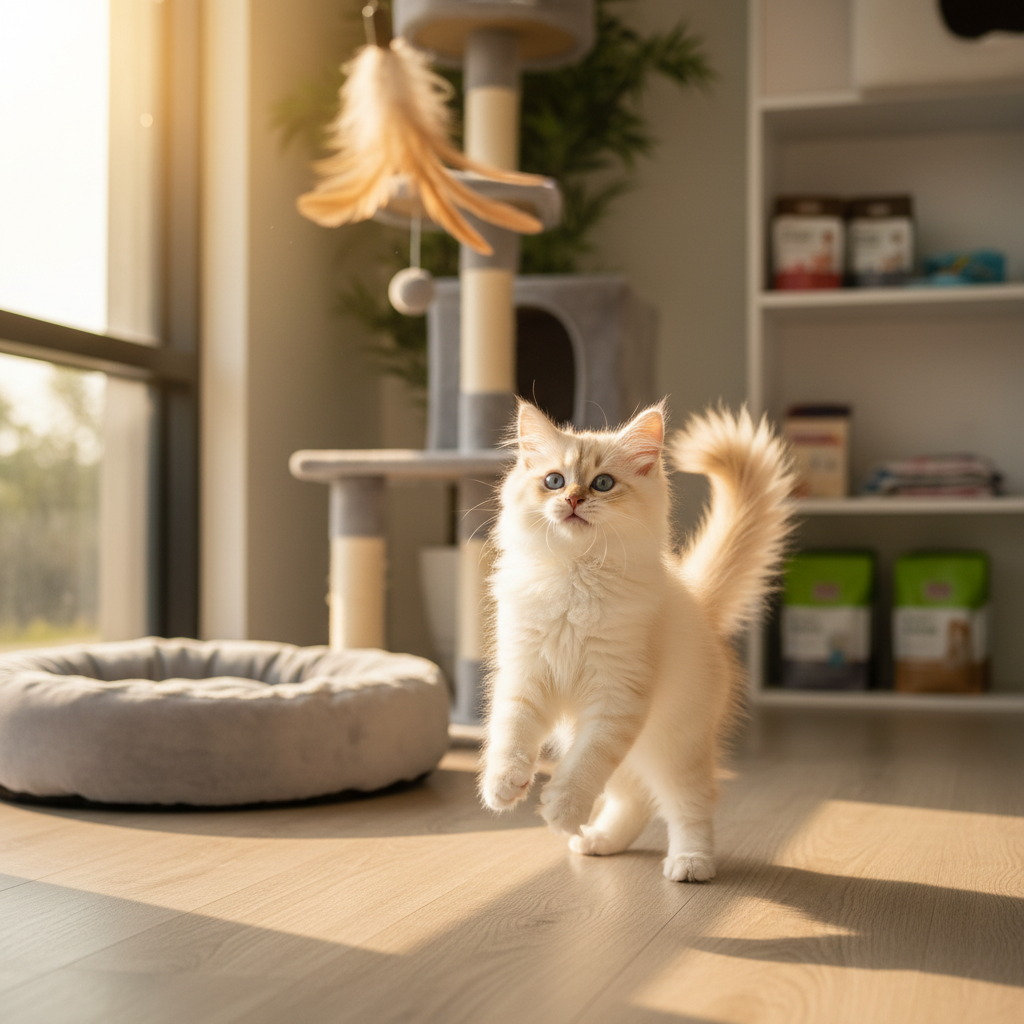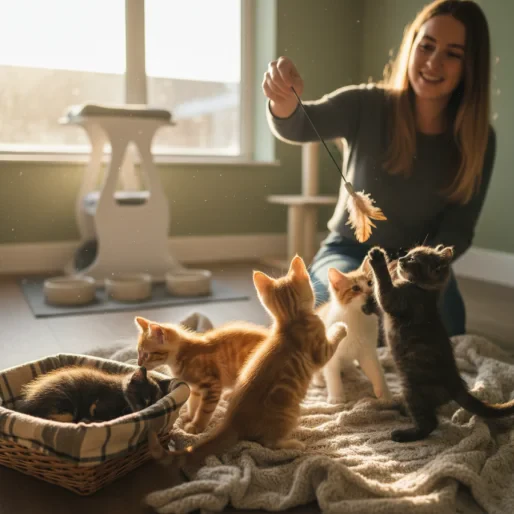
Kitten season hits Irish shelters hard from April through October, with the ISPCA and local rescues caring for thousands of kittens each year. Here is what every first-time adopter in Ireland needs to prepare for, from vet visits and vaccinations to Irish-specific considerations around outdoor access and parasite prevention.
Key Takeaways
- Kitten season in Ireland typically runs from April through October, with peak intake at shelters and rescues in May and June.
- Ireland is a rabies-free country, so rabies vaccination is not required for cats kept domestically, but core vaccines (parvovirus, calicivirus, herpesvirus) are essential.
- Ireland's mild, damp climate creates year-round flea and lungworm risk, making ongoing parasite prevention particularly important.
- Microchipping is not yet legally mandatory for cats in Ireland (unlike dogs under the Microchipping of Dogs Regulations 2015), but is strongly recommended by Veterinary Ireland and rescue organisations.
- A first vet visit should happen within 48 to 72 hours of bringing a kitten home, and the Animal Health and Welfare Act 2013 places a legal duty of care on all pet owners.
Kitten Season and Irish Shelters
Every spring, Irish animal welfare organisations brace for kitten season. The ISPCA, Cats Aid, the DSPCA, and dozens of smaller rescue groups across the country see a dramatic rise in kitten intake from April onwards, driven by Ireland's population of unspayed free-roaming cats. The mild Irish winters mean that some litters arrive as early as March in sheltered rural areas, and the season can extend well into autumn.
For first-time adopters, this is the time of year when kittens are most available, but it is also when shelters are under the greatest pressure. Adopting a kitten is a commitment of 15 to 20 years, and preparation matters far more than timing.
Where to Adopt in Ireland
Reputable sources include ISPCA centres, the DSPCA in Rathfarnham, Cats Aid (Dublin-based), the Galway SPCA, Cork Animal Care Society, and numerous smaller rescue groups affiliated with Animal Welfare Organisations. Most Irish rescues will have kittens vaccinated, wormed, and often neutered before adoption. Adoption fees typically range from €80 to €200, depending on the organisation and the veterinary work included.
Avoid purchasing kittens from unverified online listings on platforms such as DoneDeal or Adverts without confirming the seller's credentials. The Animal Health and Welfare Act 2013 includes provisions against animal neglect, and buying from backyard breeders can inadvertently support poor welfare practices.
The First Vet Visit
A veterinary check-up within 48 to 72 hours of adoption is strongly recommended. In Ireland, most veterinary practices will perform a full physical examination covering eyes, ears, heart, lungs, and abdomen, along with a faecal parasite screen, body condition assessment, and a review of any vaccination records from the rescue.
Bring all paperwork from the shelter or rescue, including vaccination cards, deworming dates, and any microchip documentation. This allows the vet to build on existing care rather than duplicating it. Establishing your kitten as a patient early also means the practice has records on file if an emergency arises.
UCD Veterinary Hospital / Local Emergency Vet
Call your vet's emergency out-of-hours number or contact the UCD Veterinary Hospital in Dublin.
Irish vet practices provide out-of-hours emergency contact details on their answerphone message.
Vaccinations in Ireland
The core feline vaccines recommended by Veterinary Ireland and aligned with WSAVA (World Small Animal Veterinary Association) guidelines are:
- Feline parvovirus (panleukopenia): A highly contagious and often fatal disease in unvaccinated kittens.
- Feline calicivirus: Causes upper respiratory and oral disease.
- Feline herpesvirus (cat flu): Extremely common in shelter populations and a frequent cause of sneezing in newly adopted kittens.
Kittens typically begin their primary vaccination course at around 8 to 9 weeks of age, with a second dose 3 to 4 weeks later, and full protection developing about two weeks after the final dose. Because Ireland is rabies-free, rabies vaccination is only necessary if you plan to travel abroad with your cat under the EU Pet Passport scheme.
Feline leukaemia virus (FeLV) vaccination is recommended for any cat that will have outdoor access, which is a significant consideration in Ireland where many owners allow some form of garden access.
Spaying and Neutering
Cats can become sexually mature as early as 4 months of age. Veterinary Ireland and the ISPCA both advocate for early neutering, ideally before 4 to 5 months, to prevent unwanted litters and reduce the stray cat population. Most Irish rescues neuter kittens before rehoming, but if your kitten has not been desexed, discuss timing with your vet promptly.
Some veterinary practices in Ireland participate in subsidised neutering schemes run by organisations such as the ISPCA or local authorities. It is worth asking your vet or local rescue about available supports, as these can reduce the cost of surgery from the typical €100 to €200 range.
Microchipping
Under the Microchipping of Dogs Regulations 2015, all dogs in Ireland must be microchipped. There is no equivalent legal requirement for cats at the time of writing, but microchipping is strongly encouraged. Most Irish rescues microchip kittens before adoption as standard practice. Feline-specific microchip databases, such as those run by Feline Friends and linked to international registries, help reunite lost cats with their owners. A microchip typically costs €30 to €50 if not included in the adoption fee.
Kitten-Proofing an Irish Home
Kittens are remarkably curious, agile, and small enough to squeeze into surprising spaces. Priority hazards to address include:
- Toxic plants: Lilies (all species of true lilies) are extremely toxic to cats and can cause fatal kidney failure from even minor exposure. This is particularly relevant in Ireland during spring, when Easter lilies and garden varieties such as tiger lilies and day lilies are common in Irish homes and gardens. Other hazardous plants include daffodils, foxglove, and rhododendron, all of which grow readily in Ireland's climate.
- String, thread, and rubber bands: Linear foreign bodies are a leading cause of emergency surgery in young cats.
- Cleaning products: Many conventional cleaners contain compounds harmful to cats, particularly phenol-based disinfectants, which are still common in some Irish households.
- Open windows and balconies: While high-rise syndrome is less common in Ireland than in cities with more apartment living, cats can still be injured falling from upper-storey windows. Secure all windows with mesh or purpose-built cat screens.
- Fireplaces and stoves: Many Irish homes have open fires or wood-burning stoves. Use a fireguard to prevent burns and keep kittens away from hot surfaces.
- Washing machines and dryers: Cats are drawn to warm, enclosed spaces. Always check the drum before starting a cycle.
Feeding Your Kitten
Kittens need higher protein, higher fat, and more calories per kilogram of body weight than adult cats. Choose a commercial food specifically labelled for kittens that meets FEDIAF (European Pet Food Industry Federation) nutritional guidelines, which is the European equivalent of AAFCO standards. Wet food is often recommended for kittens as it supports hydration and is easier to eat.
Transition gradually from whatever the shelter was feeding over 5 to 7 days to avoid digestive upset. Fresh water should always be available. Most cats are lactose intolerant after weaning, so cow's milk should not be offered despite the persistent cultural notion that cats enjoy it.
Parasite Prevention in Ireland's Climate
Ireland's mild, humid climate creates conditions favourable for parasites throughout much of the year, not just in summer. Key considerations include:
- Fleas: Can be active year-round in Irish homes due to central heating. Regular preventive treatment is recommended from 8 weeks of age.
- Intestinal worms: Roundworms and tapeworms are common. Kittens should be wormed every two weeks until 12 weeks of age, then monthly until 6 months, and every 3 months thereafter.
- Lungworm (Aelurostrongylus abstrusus): Increasingly recognised in Irish cats, particularly those with outdoor access who hunt slugs and snails. Ireland's wet climate supports slug populations that act as intermediate hosts.
- Ticks: Present in rural and semi-rural areas, particularly in long grass and woodland margins.
Never use a dog flea product on a cat. Permethrin-based treatments designed for dogs are potentially fatal to cats of any age. Always check product labels for species, age, and weight suitability, and consult your vet before treating kittens under 8 weeks.
Indoor, Outdoor, or Somewhere In Between
The question of indoor versus outdoor access is a significant consideration for Irish cat owners. Ireland has no large native predators that threaten cats, but road traffic, territorial cats, and disease exposure remain real risks. Veterinary Ireland and the ISPCA recommend that kittens should not go outdoors until fully vaccinated, microchipped, and neutered.
Many Irish cat owners opt for a compromise: enclosed gardens, cat-proof fencing (available from Irish suppliers), or supervised garden access. Purpose-built catios are gaining popularity and suit Ireland's often unpredictable weather when fitted with partial shelter from rain. For indoor cats, environmental enrichment through climbing structures, puzzle feeders, and daily interactive play sessions is essential for welfare.
First-Year Costs in Ireland
Beyond the adoption fee (€80 to €200), first-time kitten owners in Ireland should budget for:
- Vaccinations and boosters: €60 to €120 for the primary course
- Spay or neuter (if not included): €100 to €200
- Microchipping (if not included): €30 to €50
- Parasite prevention: €80 to €150 per year
- Food: €300 to €500 per year for quality kitten food
- Litter: €100 to €200 per year
- Basic supplies (carrier, scratching post, bowls, toys): €80 to €150
- Pet insurance: €15 to €40 per month, depending on cover level
Pet insurance is generally most cost-effective when started young, before any pre-existing conditions are documented. Several insurers operate in the Irish market, including Allianz and Petinsurance.ie. Review policies carefully for coverage limits, exclusions, and waiting periods. Kittens are at higher risk for accidents and foreign body ingestions, which can result in emergency bills running into the thousands of euro.
When to Contact a Vet Urgently
First-time adopters often worry about overreacting. As a general principle, it is always better to ring the vet and be reassured than to wait too long with a kitten. Seek urgent veterinary attention if your kitten shows any of the following:
- Difficulty breathing or open-mouth breathing
- Refusal to eat or drink for more than 12 to 24 hours
- Vomiting or diarrhoea lasting more than 24 hours, or containing blood
- Straining in the litter box without producing urine
- Sudden lethargy or unresponsiveness
- Seizures or loss of coordination
- Suspected ingestion of a toxic substance (lilies, slug pellets containing metaldehyde, human medications, chocolate, or xylitol-containing products)
Keep your vet's daytime number and an after-hours emergency clinic number saved in your phone from day one. Most areas of Ireland are served by out-of-hours veterinary emergency services, though in rural areas the nearest emergency cover may be some distance away, so it is worth identifying this before an emergency arises.
UCD Veterinary Hospital / Local Emergency Vet
Call your vet's emergency out-of-hours number or contact the UCD Veterinary Hospital in Dublin.
Irish vet practices provide out-of-hours emergency contact details on their answerphone message.
Legal Responsibilities
Under the Animal Health and Welfare Act 2013, all pet owners in Ireland have a legal duty of care to their animals. This includes providing adequate food, water, shelter, and veterinary attention. Failure to provide appropriate care can result in prosecution by the Department of Agriculture, Food and the Marine, or by authorised officers from organisations such as the ISPCA. While much of the Act's enforcement focus has been on larger animals and dogs, cat owners are equally bound by its provisions.
Myth vs. Reality
| Myth | Reality |
|---|---|
| Kittens should drink cow's milk. | Most cats are lactose intolerant after weaning. Cow's milk commonly causes diarrhoea. Fresh water is all a weaned kitten needs alongside appropriate food. |
| Ireland's mild climate means fleas are only a summer problem. | Central heating in Irish homes allows fleas to thrive year-round. Preventive treatment should be maintained throughout the year, not just in warmer months. |
| Cats are low-maintenance pets that suit busy Irish households. | Cats need daily interactive play, mental stimulation, veterinary care, and social interaction. Kittens require significant time and supervision, particularly in the first few months. |
| A cat needs to have one litter before being spayed. | There is no medical benefit to allowing a cat to have a litter before spaying. Early neutering is endorsed by Veterinary Ireland and the ISPCA. |
| Indoor cats in Ireland do not need vaccinations. | Core vaccinations are recommended for all cats regardless of lifestyle. Indoor cats can be exposed to pathogens brought in on shoes, clothing, or through brief escapes. |
Checklist for First-Time Kitten Adopters in Ireland
- Schedule a vet visit within 48 to 72 hours of adoption
- Bring all shelter paperwork (vaccines, deworming, microchip number)
- Set up a quiet room with litter box, food, water, and hiding spots
- Remove lilies and other toxic plants from the home and garden
- Secure fireplaces, stoves, and open windows
- Purchase kitten-specific food meeting FEDIAF standards
- Provide a scratching post (vertical and horizontal options)
- Begin gentle daily handling of paws, ears, and mouth
- Discuss spay or neuter timing with your vet (ideally before 5 months)
- Arrange microchipping if not already done by the rescue
- Set up year-round flea and worm prevention
- Consider pet insurance while the kitten is young and healthy
- Save your vet's number and nearest emergency clinic number in your phone
- Plan slow introductions if other pets are in the household
Frequently Asked Questions
What vaccinations does a kitten need in Ireland? ↓
How much does it cost to adopt and care for a kitten in Ireland? ↓
Is microchipping mandatory for cats in Ireland? ↓
When should a kitten be neutered in Ireland? ↓
Can I let my kitten outdoors in Ireland? ↓
What parasites should I be aware of in Ireland? ↓

Hannah Cole
Pet Owner Community Advisor
Pet owner community advisor — calm, clear answers to the questions every pet parent asks.
Content Disclosure
This article was created using state-of-the-art AI models with human editorial oversight. It is intended for informational and entertainment purposes only and does not constitute veterinary medical advice. Always consult a licensed veterinarian for your pet's specific health needs. Learn more about our process.