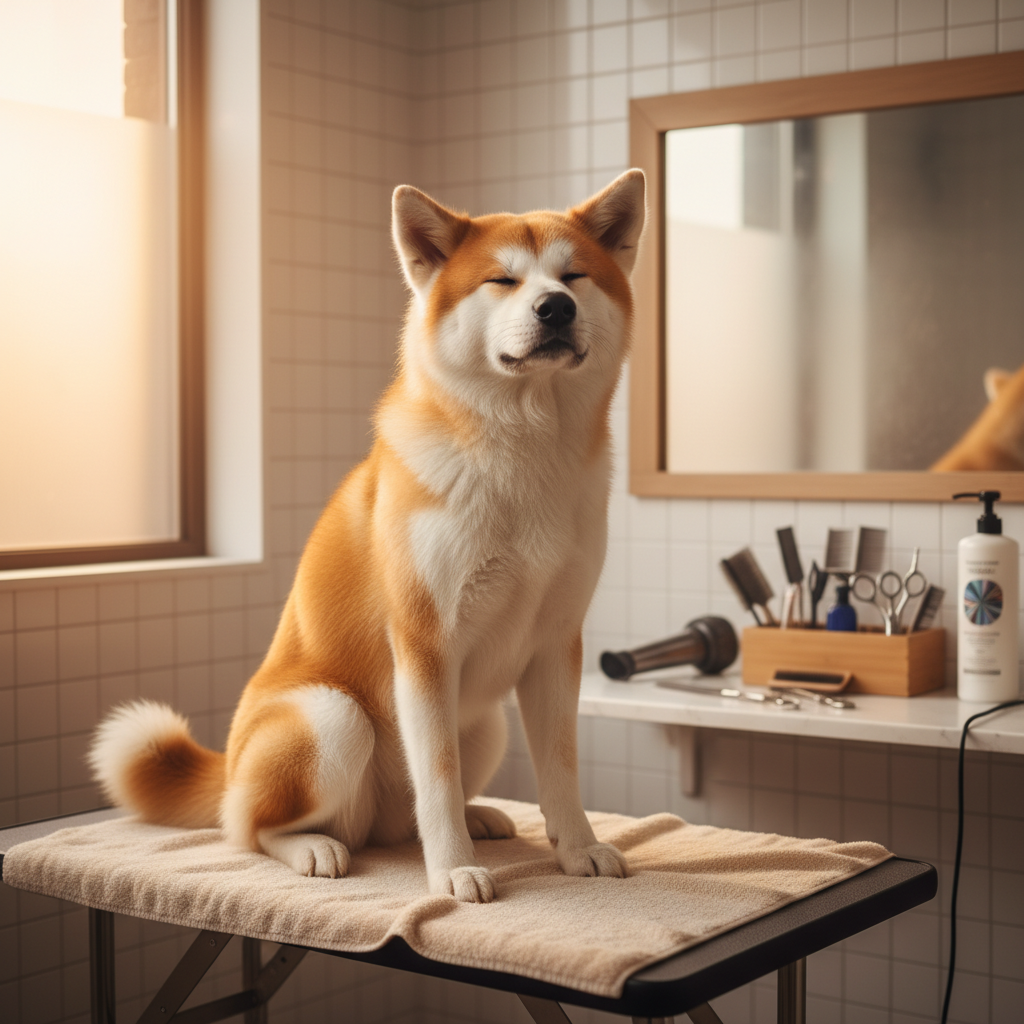
A practical comparison for Brazilian dog owners on selecting a groomer during the cooler, drier months of May and June. Covers Tosa Higienica vs Tosa na Maquina, salon vs mobile services, pricing in Sao Paulo and Rio, and key red flags.
Key Takeaways
- Tosa Higienica is a hygienic trim focused on sanitary areas, paws, and face; Tosa na Maquina is a full clipper cut that reshapes the entire coat.
- May and June in Brazil bring lower humidity and cooler nights, so coat conditioning should shift toward moisture restoration rather than aggressive de shedding.
- Sao Paulo grooming prices typically run 10 to 25 percent higher than equivalent services in Rio de Janeiro, though premium neighbourhoods in both cities are comparable.
- Mobile grooming offers reduced stress and one on one attention but costs more; salon visits are cheaper and better for social dogs.
- Red flags include no visible certification, refusal to show the work area, rushed intake interviews, and pressure to shave double coated breeds.
Why the Cooler Dry Season Changes Grooming Needs
From May through June, much of southeastern and southern Brazil experiences a noticeable drop in humidity and ambient temperature. In Sao Paulo, relative humidity often falls into the 40 to 60 percent range during the day, while Rio de Janeiro retains slightly higher coastal moisture but still cools considerably at night. For dogs, this transition can cause dry skin, brittle guard hairs, dandruff flare ups, and increased static in long coats. Selecting a groomer who understands these seasonal shifts, rather than applying a one size fits all summer protocol, is essential.
Professional grooming consensus, echoed by veterinary dermatology references such as those compiled by the World Small Animal Veterinary Association (WSAVA), suggests that coat care should be adjusted to climate. A groomer who recommends the same shampoo, blade length, and finishing spray year round may not be paying attention to the dog in front of them.
Side by Side Comparison: Key Grooming Choices
| Factor | Tosa Higienica | Tosa na Maquina | Mobile Grooming | Salon Visit |
|---|---|---|---|---|
| Purpose | Sanitary trim only | Full coat clip | Service at home | Service at fixed location |
| Typical duration | 30 to 45 minutes | 60 to 120 minutes | 60 to 150 minutes | 60 to 180 minutes |
| Average price (small dog, SP) | R$60 to R$120 | R$120 to R$250 | R$180 to R$400 | R$80 to R$220 |
| Average price (small dog, Rio) | R$50 to R$110 | R$100 to R$220 | R$160 to R$350 | R$70 to R$200 |
| Best for | Maintenance between full cuts | Heavy coats, summer prep | Anxious or senior dogs | Social, healthy adults |
| Main risk | Insufficient for matted coats | Over clipping double coats | Limited equipment in vehicle | Cage drying stress |
Tosa Higienica vs Tosa na Maquina: What Actually Differs
Tosa Higienica (Hygienic Trim)
This service targets only the areas where hair growth interferes with comfort or hygiene: the perianal region, the inner thighs and groin, the paw pads, the area around the eyes, and sometimes the belly. The body coat is left untouched. For owners maintaining a longer breed look, or for short coated breeds that only need tidying, this is often the right call during cooler months when extra insulation is welcome.
Tosa na Maquina (Machine Clip)
Here, electric clippers are used across the body to produce a uniform short coat. Blade lengths vary, and a skilled groomer will select a length appropriate to the breed, season, and skin condition. The most common regret owners report is asking for a very short clip in May, then watching their dog shiver through June nights or develop clipper rash on suddenly exposed skin. For double coated breeds (Husky, Chow Chow, Golden Retriever, Pomeranian, Akita), machine clipping the body is generally discouraged because it can permanently damage coat texture and disrupt natural thermoregulation.
Questions to Ask About Coat Conditioning for Low Humidity
Before booking, owners should treat the consultation as an interview. A confident, qualified groomer will welcome detailed questions. Useful prompts include:
- Which shampoo line do you use, and do you switch formulas seasonally? Look for moisturising or oatmeal based options rather than strong degreasers during dry months.
- Do you offer a hydrating mask or leave in conditioner? Treatments containing ingredients such as panthenol, ceramides, or natural oils can help during low humidity periods.
- What water temperature do you use, and how do you dry the coat? Lukewarm water and a controlled, lower heat dryer reduce cuticle damage.
- Will you blow out the undercoat with a high velocity dryer before any clipping? This protects blades and reveals the true coat condition.
- How do you handle static and flyaway hair in winter coats? Anti static finishing sprays and proper humidification in the salon are reasonable answers.
- Do you adjust frequency recommendations by season? Many dogs benefit from longer intervals between baths in dry months to preserve skin oils.
Pricing Expectations: Sao Paulo vs Rio de Janeiro
Pricing in Brazilian grooming is influenced by neighbourhood, breed size, coat condition, and whether the establishment is a chain or independent. The following ranges reflect commonly observed market rates and should be treated as guidance rather than fixed quotes.
Sao Paulo
- Small breed Tosa Higienica: roughly R$60 to R$120
- Small breed Tosa na Maquina: roughly R$120 to R$250
- Medium breed full groom: roughly R$180 to R$350
- Large breed full groom: roughly R$250 to R$500 or more
- Premium districts (Jardins, Vila Madalena, Moema): expect a 20 to 40 percent surcharge
Rio de Janeiro
- Small breed Tosa Higienica: roughly R$50 to R$110
- Small breed Tosa na Maquina: roughly R$100 to R$220
- Medium breed full groom: roughly R$160 to R$320
- Large breed full groom: roughly R$220 to R$450
- Zona Sul neighbourhoods (Ipanema, Leblon, Botafogo): pricing approaches or matches Sao Paulo premium areas
Mobile grooming carries a premium of approximately 30 to 60 percent above equivalent salon pricing in both cities, reflecting fuel, vehicle equipment costs, and the one on one nature of the service.
Mobile Grooming vs Salon Visits
When Mobile Grooming Wins
Mobile units, typically vans equipped with a tub, dryer, and grooming table, suit specific situations. Owners commonly report that anxious dogs, senior dogs with mobility issues, multi pet households, and clients with limited transport benefit most. The dog never leaves familiar territory, waiting time is eliminated, and there is no exposure to other animals (helpful for unvaccinated puppies or immunocompromised seniors). For owners interested in pre groom mobility checks, the resource on basic mobility assessment offers a useful starting point.
When Salon Visits Win
Salons typically have superior equipment: hydraulic tables, high velocity dryers, specialised tubs, and a wider range of blades and shampoos. Social, confident dogs may also enjoy the environment. Cost is generally lower, and scheduling tends to be more flexible. For some owners, the salon trip is also a useful socialisation outing, although the resource on whether dogs actually enjoy daycare is a reminder that not every dog finds group settings rewarding.
A Note on Automated Options
Some Brazilian salons are beginning to offer automated washing systems. The dedicated guide on AI robotic dog washing machines covers how these systems compare with traditional hand bathing.
Red Flags for Inexperienced Operators
Both established salons and mobile operators can be excellent or poor. Veterinary and welfare guidelines from bodies such as the American Veterinary Medical Association (AVMA) and the Conselho Federal de Medicina Veterinaria (CFMV) emphasise that grooming is a welfare activity, not merely cosmetic. Warning signs include:
- No intake questions about health, vaccinations, or temperament. A competent groomer always asks.
- Refusal to allow owners to see the bathing or drying area. Transparency should be standard.
- Use of cage dryers without supervision. Unattended forced air heat has been linked to heatstroke incidents and is restricted or banned in several jurisdictions.
- Pressure to shave double coated breeds for the cool season. A knowledgeable groomer will explain why this damages the coat.
- No written estimate or service description. Pricing should be clear before work begins.
- Visibly dirty tools, clippers without blade guards, or shared brushes between dogs without cleaning. Cross contamination risks include dermatophytes and external parasites.
- Rough handling, raised voices, or use of restraint loops as a primary control method. Calm, low stress handling is the modern professional standard.
- Unwillingness to discuss certifications or training. Brazil has several reputable grooming schools and SENAC offers recognised courses.
- Aggressive upselling of treatments the dog does not need. Adding ozone therapy, scenting, or dye services without medical justification should be optional, not pushed.
Lifestyle Match Guide: Which Option Fits Your Situation?
The Apartment Dweller with a Small Breed
For a Shih Tzu, Maltese, Yorkshire Terrier, or Poodle Toy in a Sao Paulo or Rio apartment, a salon based Tosa Higienica every three to four weeks during the cool season, with a full Tosa na Maquina every two to three months, is a common rhythm. Choose a salon close to home to minimise transport stress.
The Senior Dog Household
Older dogs, especially those with arthritis or cardiac conditions, benefit substantially from mobile grooming. The reduction in handling, transport, and waiting time is meaningful. Owners should pair grooming with seasonally appropriate nutrition, as discussed in the senior dog dietary guide, adjusted for the cooler autumn pattern.
The Multi Dog Family
Households with three or more dogs often find mobile grooming cost competitive because travel fees are spread across multiple animals. Block booking also reduces total time commitment.
The Newly Adopted Rescue
Rescue dogs frequently arrive with unknown grooming histories. A gentle introductory session, ideally a basic bath and Tosa Higienica only, allows the groomer to assess temperament without overwhelming the dog. For broader assessment guidance, the shelter dog temperament guide is a helpful complement.
The Double Coated Breed Owner
Owners of Huskies, Border Collies, Australian Shepherds, and similar breeds should seek out groomers experienced with deshedding treatments rather than clipping. Ask specifically about high velocity blow outs, undercoat rakes, and the use of carding tools.
Adoption and Sourcing Considerations
For families still in the adoption phase, grooming cost and frequency should be factored into the lifetime budget. A Poodle Standard or Bichon Frise will require professional grooming roughly every four to six weeks for life. A short coated Brazilian Terrier or Vira lata Caramelo will need substantially less. Honest breed advisory practice flags this trade off early, because grooming neglect is a leading cause of skin disease, painful matting, and surrender to shelters.
Decision Checklist: Which Is Right for Me?
- Has the groomer asked about my dog's vaccinations, allergies, and behaviour?
- Can I view the work area before booking?
- Does the price quote include drying method, nail trim, and ear cleaning, or are these extras?
- For mobile services: is the vehicle properly ventilated and equipped with a generator or external power source?
- For salons: are dogs separated by size, and is there always a human attending the dryers?
- Has the groomer asked about my dog's coat history during the dry season specifically?
- Do they refuse to shave my double coated breed and explain why?
- Is there a clear policy on what happens if my dog becomes stressed or injured?
- Are the tools visibly clean, and are clippers disinfected between dogs?
- Is there a written or digital receipt and service log?
If most answers are yes, the operator is likely a sound choice. If several answers are no, or if the groomer becomes defensive when asked, owners should consider alternatives. A well groomed dog should leave the appointment relaxed, with a coat that feels soft and smells clean rather than heavily perfumed, and with no nicks, clipper burn, or signs of stress.
Final Considerations
The May and June window in Brazil is an ideal time to reset grooming routines for the year ahead. Cooler, drier conditions mean less risk of post bath fungal issues and more time for skin to recover between sessions. Owners who invest in finding a thoughtful, well trained groomer now will benefit through the dry winter months of July and August and into the humid spring that follows. The right choice is rarely the cheapest, but it is almost always the one where the groomer treats the dog as an individual rather than a number on the schedule.
Frequently Asked Questions
What is the difference between Tosa Higienica and Tosa na Maquina? ↓
Is it safe to clip a double coated breed during May and June in Brazil? ↓
How much does dog grooming cost in Sao Paulo compared to Rio? ↓
Is mobile grooming worth the extra cost? ↓
What are the biggest red flags when choosing a Brazilian dog groomer? ↓
How should coat conditioning change in the cooler dry months? ↓

Priya Nair
Dog Breed Advisor & Adoption Counsellor
Dog breed advisor and adoption counsellor — honest breed comparisons and lifestyle matching for prospective owners.
Content Disclosure
This article was created using state-of-the-art AI models with human editorial oversight. It is intended for informational and entertainment purposes only and does not constitute veterinary medical advice. Always consult a licensed veterinarian for your pet's specific health needs. Learn more about our process.