Philippine summers push temperatures past 35 °C with brutal humidity, making nutrition and hydration critical for dogs. This guide covers feeding adjustments, safe hydrating foods, and warning signs every Filipino fur parent should know.
Key Takeaways
- Dogs naturally eat less in extreme heat because their metabolism slows to reduce internal heat production, a response especially relevant in the Philippines where temperatures regularly exceed 35 °C from March to May.
- Shifting meals to the coolest parts of the day (before 6:30 AM and after 6:00 PM Philippine time) significantly improves appetite and digestion.
- High moisture foods, broth, and locally available fruits like watermelon and cucumber help prevent dehydration in tropical humidity.
- A 10 to 20 percent reduction in portion size may suit moderately active adult dogs during the hottest weeks, but puppies, pregnant or lactating dogs, and working dogs need individual veterinary assessment.
- Appetite loss lasting more than 48 hours combined with lethargy, vomiting, or dark urine requires prompt veterinary attention.
Why the Philippine Climate Hits Dogs Harder
The Philippines sits in the tropics, meaning dogs face heat stress not just during tag-init (the hot dry season from March to May) but often year-round. The combination of high temperatures and high relative humidity, frequently above 75 percent, makes canine thermoregulation extremely difficult. Dogs cool themselves primarily through panting and vasodilation, not sweating. When the heat index climbs past 40 °C, as it commonly does in Metro Manila, Central Luzon, and the Visayas during peak summer, panting becomes far less efficient because the surrounding air is already saturated with moisture.
This physiological strain causes a measurable drop in basal metabolic rate as the body tries to limit internal heat generation from digesting food. The result is a dog that refuses meals, drinks more water, and appears sluggish. Veterinary physiology research confirms this is a normal adaptive response, not a sign of illness on its own. Understanding this helps fur parents avoid two common mistakes: force-feeding a reluctant dog, or ignoring genuine warning signs of heatstroke.
Meal Timing: Working With Philippine Daylight Hours
The Two-Window Approach for Tropical Days
Because the Philippines is close to the equator, sunrise and sunset times are relatively consistent throughout the year. Professional feeding guidelines recommend shifting meals to the coolest windows:
- Morning meal: served between 5:30 and 6:30 AM, before heat and humidity build. In most Philippine provinces, temperatures are at their lowest around this time.
- Evening meal: served after 6:00 PM, once the sun has set or is very low. Even then, residual heat in concrete environments (common in Philippine urban areas) means outdoor feeding areas may still be warm.
Avoid feeding between 10:00 AM and 4:00 PM. The thermic effect of food, where roughly 10 percent of caloric intake is released as heat during digestion, adds unnecessary thermal burden when ambient temperatures are already extreme.
Single vs. Split Feeding
Many Filipino dog owners feed once daily, often in the evening. During peak summer, splitting the daily ration into two smaller meals improves acceptance and reduces digestive strain. Smaller meals produce a lower heat spike during digestion. For dogs already on a twice-daily schedule, the main adjustment is shifting the clock rather than the structure.
If you use Using Food Puzzles and Scatter Feeding to Slow Down Fast Eaters: The Nutritional and Behavioural Case for Enrichment Feeding in Dogs, move these activities indoors or to a shaded area with good airflow. Outdoor puzzle feeding in direct Philippine sun, where ground surface temperatures on concrete can exceed 60 °C, adds dangerous thermal stress.
Hydration Strategies for Tropical Humidity
Why Water Alone May Not Be Enough
Dogs in Philippine summer conditions can require two to three times their normal water intake. Fresh, cool water must be available at multiple points around the home and replenished frequently; water left in outdoor bowls heats up quickly. However, food-based hydration provides an important supplementary route, especially for dogs that are poor voluntary drinkers.
High-Moisture Food Options
Many Philippine dogs are fed primarily on dry kibble or rice-based home-cooked meals. Both are relatively low in moisture. During intense heat, these strategies help:
- Adding water or low-sodium broth to kibble or rice meals: soaking kibble for 10 to 15 minutes before serving increases moisture content and can make meals more aromatic, encouraging appetite. If preparing broth at home, avoid adding salt, onion, or garlic.
- Offering wet or canned food as a topper: even replacing 25 percent of the dry ration with an equivalent caloric amount of complete wet food meaningfully increases fluid intake through meals. Wet food is widely available in Philippine pet shops and supermarkets, with prices starting around ₱40 to ₱80 per can for basic options.
- Frozen enrichment: freezing diluted broth or a slurry of wet food in ice cube trays or Kong-type toys creates a cooling, hydrating activity. This is particularly effective for dogs kept in areas without air conditioning.
Safe Hydrating Fruits and Vegetables Available Locally
The Philippines has excellent year-round availability of hydrating produce. These should not exceed roughly 10 percent of daily caloric intake:
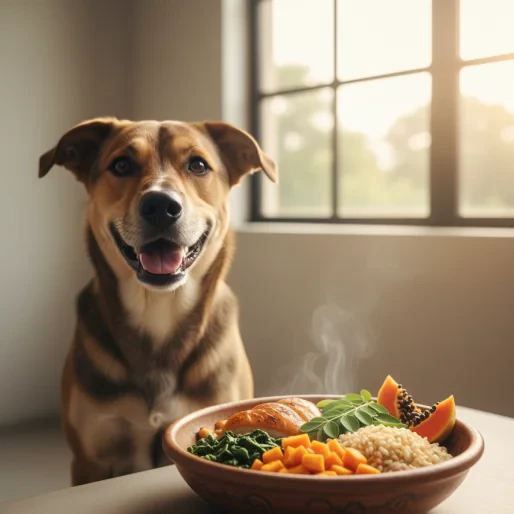
- Watermelon (pakwan): approximately 92 percent water. Remove seeds and rind. Widely available and affordable at local palengke markets.
- Cucumber (pipino): approximately 95 percent water, very low calorie. A practical and cheap option throughout the year.
- Papaya (papaya, hinog): high water content with digestive enzyme benefits. Serve ripe flesh only, no seeds.
- Cooked squash (kalabasa): roughly 90 percent water when cooked. Already a common ingredient in Filipino home-cooked dog meals.
Always introduce new foods gradually. Avoid grapes, raisins, onions, garlic, and xylitol-containing products, which are toxic to dogs regardless of season. In the Philippine context, also be cautious with calamansi and other citrus: while not toxic, they can cause gastrointestinal upset.
Dangerous Foods to Watch Out For
| Food | Risk | Philippine Context |
|---|---|---|
| Grapes and raisins | Acute kidney failure | No safe amount; avoid completely |
| Onions, garlic, leeks | Oxidative damage to red blood cells | Common in Filipino cooking (adobo, sinigang); never share table scraps containing these |
| Xylitol (birch sugar) | Rapid insulin release, liver failure | Found in some sugar-free products and imported peanut butter |
| Chocolate | Theobromine toxicity | Tablea (local cacao) and dark chocolate carry higher risk |
| Cooked chicken bones | Splintering, GI perforation | Extremely common hazard from leftover fried or roast chicken, a Filipino household staple |
| Salty dried fish (tuyo, daing) | Excessive sodium intake | Can cause sodium ion poisoning; worsens dehydration in heat |
Outdoor gatherings, fiestas, and backyard handaan events during summer increase the risk of dogs snatching harmful food. Keep dogs secured and inform guests not to share table scraps. For guidance on recognising emergencies, see the guide on The First Emergency With a New Puppy: Recognising When Symptoms Require Immediate Vet Attention vs. Calm Observation at Home.
Portion Adjustments in Sustained Philippine Heat
How Much Less Should You Feed?
Standard feeding guidelines on pet food packaging are calculated for thermoneutral conditions (approximately 15 to 25 °C). Philippine ambient temperatures routinely exceed this range for months at a time. The voluntary reduction in food intake during tag-init is a physiological signal, not a behavioural problem.
For moderately active adult dogs in good body condition, a reduction of roughly 10 to 20 percent during sustained heat is generally appropriate. However, these groups require caution and veterinary guidance:
- Puppies: caloric restriction risks developmental problems. Adjust timing and food temperature, not total intake.
- Pregnant or lactating females: energy demands are non-negotiable. Maintain intake through palatable, calorie-dense formulations.
- Working dogs: Philippine dogs used for security, farm work, or as community guard dogs have elevated energy needs that must be individually assessed.
- Senior dogs (typically 7 years and older): more vulnerable to both heat and muscle wasting. Monitor body condition closely.
Using Body Condition Score (BCS)
The World Small Animal Veterinary Association (WSAVA) publishes freely available Body Condition Score charts using a 9-point scale. A dog maintaining a score of 4 to 5 out of 9 (ribs palpable with light pressure, visible waist from above) is receiving appropriate calories. Weigh your dog every two weeks during peak summer. Unintended weight loss exceeding 5 percent of body weight within a month warrants a veterinary check.
Breed-Specific Concerns in the Philippines
Aspins (Asong Pinoy, the native Philippine mixed breed) are generally more heat-adapted than imported breeds, but they are not immune to heatstroke, especially those kept in enclosed, poorly ventilated spaces. Brachycephalic breeds, which are extremely popular in the Philippines (Shih Tzus, Pugs, French Bulldogs, and English Bulldogs), face significantly heightened risk because their shortened airways make panting less effective.
Giant breeds such as Labrador Retrievers, Golden Retrievers, and Siberian Huskies (whose thick double coats are particularly problematic in tropical climates) also require extra vigilance. Obese dogs of any breed face compounded heat risk.
For owners who rely on pet sitters or helpers (kasambahay) during work hours, it is critical to communicate breed-specific vulnerabilities and feeding schedules clearly. The guide on What to Tell Your Dog Sitter About Your Dog's Breed Traits: High-Energy Working Dogs, Velcro Breeds, and Independent Sighthounds Compared covers how to share this information effectively.
Food Safety in Tropical Conditions
The Philippine tropical climate accelerates bacterial growth in food. This is critical for both commercial wet food and home-cooked meals:
- Never leave wet food, broth-soaked kibble, or home-cooked rice meals out for more than 15 to 20 minutes. Bacterial proliferation at Philippine room temperatures (often 30 °C or higher indoors without air conditioning) is rapid.
- Clean food and water bowls with hot, soapy water after every meal. In humid conditions, biofilm builds up quickly on plastic bowls; stainless steel is preferable.
- Store opened wet food in the refrigerator and use within 24 to 48 hours.
- If preparing home-cooked meals (a common practice for Philippine fur parents), cook ingredients thoroughly and avoid preparing large batches without proper refrigeration.
Signs of Heatstroke vs. Normal Appetite Reduction
Normal Patterns in Hot Weather
- Skipping one meal or eating half a portion on very hot days.
- Preferring evening meals over morning meals.
- Showing more interest in wet food or hydrating treats than in dry kibble or plain rice.
- Eating more slowly than usual.
- Normal energy levels during cooler hours, normal water intake, normal stool quality.
Warning Signs Requiring Veterinary Attention
- Complete food refusal for more than 48 hours.
- Excessive panting that does not resolve even in a cool, shaded, or air-conditioned environment.
- Vomiting or diarrhoea, especially if persistent or bloody.
- Lethargy persisting beyond the hottest part of the day.
- Dry, tacky gums (indicating dehydration).
- Dark, concentrated urine or reduced urination.
- Disorientation, stumbling, or collapse: these are emergency signs of heatstroke. Seek veterinary care immediately.
Emergency Veterinary Clinic
Contact your nearest emergency veterinary clinic or call your vet immediately.
Metro Manila has several 24-hour veterinary clinics. In provincial areas, contact the municipal veterinarian.
The Philippine Veterinary Medical Association (PVMA) and the Bureau of Animal Industry (BAI) under the Department of Agriculture provide guidance on animal health standards. Under Republic Act No. 8485, the Animal Welfare Act of the Philippines (as amended by RA 10631), pet owners are legally obligated to provide adequate food, water, and shelter. Neglecting a dog's basic needs during extreme heat can constitute a violation of this law.
Practical Summer Feeding Checklist for Philippine Fur Parents
- Move meals to before 6:30 AM and after 6:00 PM.
- Ensure fresh, cool water is available in multiple locations, both indoors and in shaded outdoor areas. Replace water at least twice daily.
- Add moisture to kibble or rice-based meals with water or unsalted broth.
- Offer frozen enrichment for hydration and mental stimulation.
- Reduce portions by 10 to 20 percent if your dog consistently leaves food. Monitor body condition score regularly.
- Introduce hydrating treats (watermelon, cucumber, ripe papaya) in moderation.
- Never leave wet food or home-cooked meals out for more than 20 minutes.
- Weigh your dog every two weeks during tag-init.
- Know the signs of heatstroke and keep your veterinarian's emergency contact accessible.
- Ensure your dog's rabies vaccination is current as required by RA 9482 (Anti-Rabies Act of 2007), and maintain barangay registration where applicable.
- Communicate all feeding instructions clearly to household helpers, sitters, or daycare providers.
When to Consult a Veterinarian
Seasonal appetite changes are normal, but they should never be used to dismiss potentially serious symptoms. Veterinary consultation is recommended if:
- Appetite loss persists beyond 48 hours despite providing a cool environment.
- The dog shows signs of dehydration (skin tenting, dry gums, sunken eyes).
- There is concurrent vomiting, diarrhoea, or noticeable behavioural change.
- The dog is brachycephalic, obese, very young, geriatric, or has a chronic condition.
- The dog is on medication that may interact with reduced food intake.
Dogs on veterinary-prescribed diets (for renal disease, allergies, or weight management) should not have their diets altered without approval from the prescribing veterinarian. Adding toppers or supplemental foods can interfere with therapeutic formulations.
The WSAVA Global Nutrition Committee publishes nutritional assessment guidelines that veterinary teams use to evaluate dietary adequacy. Philippine veterinary clinics affiliated with the PVMA can provide breed-specific and climate-appropriate feeding plans for dogs with complex medical needs.
Frequently Asked Questions
How much less should I feed my dog during Philippine summer? ↓
Are Aspins better at handling heat than imported breeds? ↓
What local fruits can I safely give my dog to help with hydration? ↓
Is it safe to leave dog food out during Philippine summer? ↓
When should I take my dog to the vet for heat-related appetite loss? ↓

Sarah Mitchell
Canine Nutrition Consultant
Canine nutrition consultant — evidence-based feeding guidance, label literacy, and diet planning without brand bias.
Content Disclosure
This article was created using state-of-the-art AI models with human editorial oversight. It is intended for informational and entertainment purposes only and does not constitute veterinary medical advice. Always consult a licensed veterinarian for your pet's specific health needs. Learn more about our process.