A veterinary guide to safely transitioning koi from winter dormancy to spring activity. Learn the critical relationship between water temperature, metabolic rates, and safe feeding protocols.
Key Takeaways for Spring Pond Management
- Temperature Dictates Metabolism: Koi cannot digest protein efficiently below 10°C (50°F). Feeding too early can cause fatal gut impaction.
- The Immunity Gap: Between 10°C and 15°C (50°F - 60°F), bacterial pathogens replicate faster than the koi immune system can respond. This is known as 'Aeromonas Alley'.
- Filter Lag: Biological filters wake up slower than fish. Ammonia and nitrite testing is mandatory before increasing feeding rates.
- Dietary Transition: Start with easily digestible wheat germ diets before transitioning to high-protein summer feeds.
Spring is widely considered the most dangerous season for koi and pond fish. As ambient temperatures rise, owners often feel an eagerness to bring the pond back to life, seeing their fish become more active near the surface. However, veterinary data consistently shows a spike in morbidity and mortality during this transition period. This is largely due to a misalignment between the fish's metabolic needs and the owner's management practices.
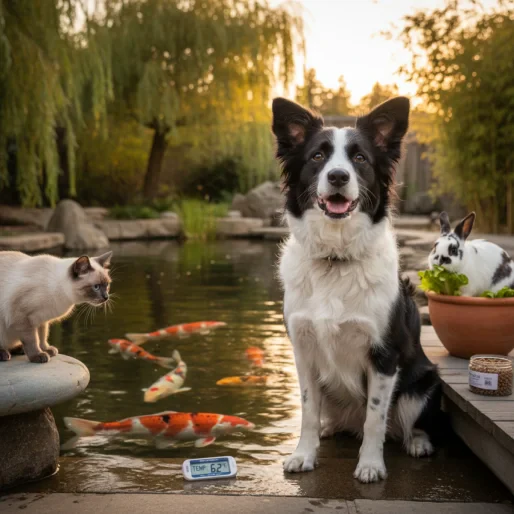
Understanding the physiology of poikilothermic (cold-blooded) animals is essential. A koi's ability to digest food, heal wounds, and fight infection is directly locked to water temperature. Opening the pond is not a single weekend event but a gradual biological process regulated by the thermometer, not the calendar.
The Physiology of Winter Dormancy and Spring Awakening
During winter, koi enter a state of torpor. Their heart rate slows, digestion creates a virtual standstill, and their immune system becomes largely inactive. As the water warms, these systems do not boot up simultaneously. The neurological drive to eat often returns before the enzymatic ability to digest food or the immunological ability to fight pathogens.
Veterinary observations confirm that the 'awakening' process stresses the fish's energy reserves. If an owner feeds a high-protein meal to a fish with a dormant digestive tract, the food may rot in the gut, leading to bacterial infections and bloat. Therefore, the thermometer is the most critical tool in a pond keeper's kit during March and April.
The Critical Temperature Thresholds
Professional koi management relies on strict temperature brackets. These guidelines help prevent systemic shock and maintain water quality.
Below 10°C (50°F): The Dormant Zone
At this stage, the fish should remain undisturbed. Their metabolism is minimal. Veterinary guidelines strictly advise against feeding. Any food introduced now will not be metabolized and will only contribute to ammonia spikes, degrading water quality while the biological filter is also dormant.
10°C to 13°C (50°F – 55°F): The Waking Zone
Fish will begin to show interest in food and may swim towards the surface. However, digestive enzymes are still weak. If feeding begins, it must be conservative.
- Frequency: Once every 2 to 3 days.
- Type: Low-protein, high-carbohydrate options, typically wheat germ-based pellets. These are easier for the gut to break down than fish-meal proteins.
- Risk: Sudden cold snaps can drop the temperature back into the danger zone. If the forecast predicts a temperature drop, withhold food.
13°C to 18°C (55°F – 65°F): Aeromonas Alley
This temperature range is notorious in veterinary aquatic medicine. Pathogenic bacteria, particularly Aeromonas and Pseudomonas, become metabolically active and replicate rapidly at these temperatures. Unfortunately, the koi's specific immune system (antibody production) typically does not function at full capacity until water temperatures exceed 18°C (65°F).
This creates a window of vulnerability where bacteria can attack, but the fish cannot effectively defend themselves. This is when ulcers, fin rot, and bacterial gill disease most frequently appear. Stress reduction is paramount here. Avoid handling, netting, or heavy water changes that might compromise the slime coat.
The Bio-Filter Discrepancy
A common error in spring pond management is assuming that clear water equals safe water. The nitrifying bacteria (Nitrosomonas and Nitrobacter) that colonize biological filters also go dormant in winter. These colonies often take weeks longer to repopulate than the fish take to wake up.
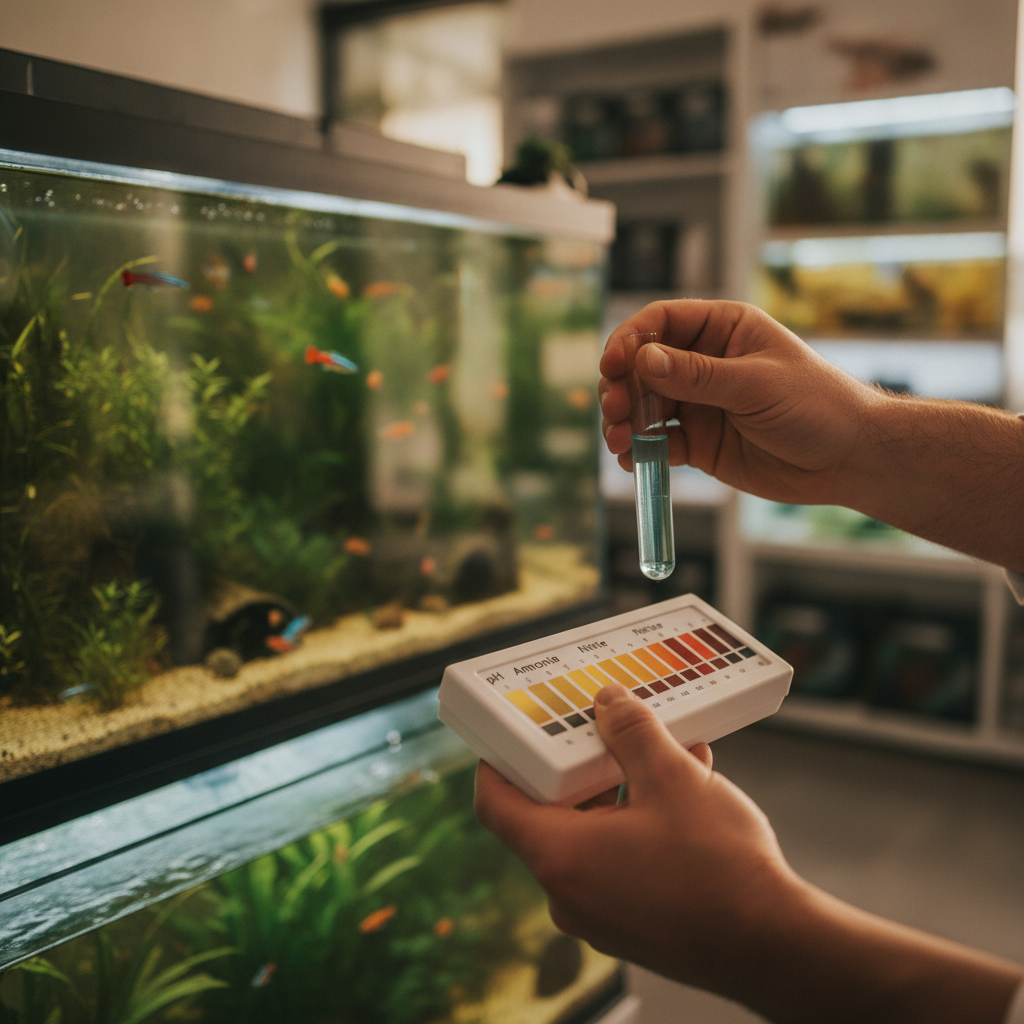
When feeding resumes, ammonia production increases immediately. If the filter bacteria have not sufficiently multiplied to handle this new bioload, the pond can experience 'New Tank Syndrome' in an established system. Veterinary protocols recommend testing water parameters (Ammonia, Nitrite, pH, and KH) at least twice weekly during the spring startup phase.
For more on managing water chemistry during this volatile period, review our guide on Managing Nitrate Spikes in Aquariums and Ponds.
Spring Health Inspections
Visual monitoring is essential as the fish return to the surface. However, because of the 'Aeromonas Alley' risks, physical handling should be reserved for emergencies. Look for the following clinical signs from the pond edge:
- Dropsy (Pineconing): Raised scales indicating fluid retention and kidney failure, often a sequela of winter stress.
- Ulcers: Red sores on the body or fins, suggesting bacterial breakthrough.
- Flashing: Fish rubbing their sides against the pond bottom, often indicative of waking parasites like Costia or flukes.
- Isolation: A fish hanging lethargically away from the group or near the water return.
If ulcers are noted, professional veterinary intervention is often required to provide antibiotic support, as the fish's own immune system is temperature-suppressed.
Feeding Schedule: A Gradual Ramp-Up
The following schedule represents a conservative, safety-first approach to resuming feeding. Always defer to water temperature over calendar dates.
| Water Temperature | Feeding Frequency | Diet Type |
|---|---|---|
| Below 10°C (50°F) | None | N/A |
| 10°C - 13°C (50°F - 55°F) | 2-3 times per week | Wheat Germ (Low Protein) |
| 13°C - 18°C (55°F - 65°F) | Once daily | Wheat Germ / Staple Mix |
| Above 18°C (65°F) | 2-4 times daily | Growth / Color (High Protein) |
For a detailed checklist on equipment maintenance alongside these biological considerations, refer to Spring Pond Startup: A Veterinary Nurse's Guide.
Parasite Prevention
Parasites often gain the upper hand in spring. While the fish are sluggish, parasites like Trichodina and Chilodonella can multiply rapidly. Routine microscopic scrapes are the gold standard for diagnosis. Veterinary professionals advise against 'shotgun' treating the pond with broad-spectrum chemicals without a confirmed diagnosis, as many treatments reduce dissolved oxygen levels—a parameter already fluctuating with rising temperatures.
Conclusion
The transition from winter to spring is a delicate biological negotiation. By respecting the temperature dependence of koi physiology and delaying heavy feeding until the bio-filter and immune systems are active, owners can prevent the majority of spring health crises. Patience during these weeks is the most effective preventative medicine available.
Frequently Asked Questions
When should I start feeding my koi in the spring? ↓
What is Aeromonas Alley? ↓
Why are my koi flashing or rubbing in the spring? ↓
What should I feed koi in early spring? ↓

Dr. James Harrington
Veterinarian & Pet Health Writer
Veterinarian and health writer — translating complex medical topics into clear, actionable guidance for pet owners.
Content Disclosure
This article was created using state-of-the-art AI models with human editorial oversight. It is intended for informational and entertainment purposes only and does not constitute veterinary medical advice. Always consult a licensed veterinarian for your pet's specific health needs. Learn more about our process.