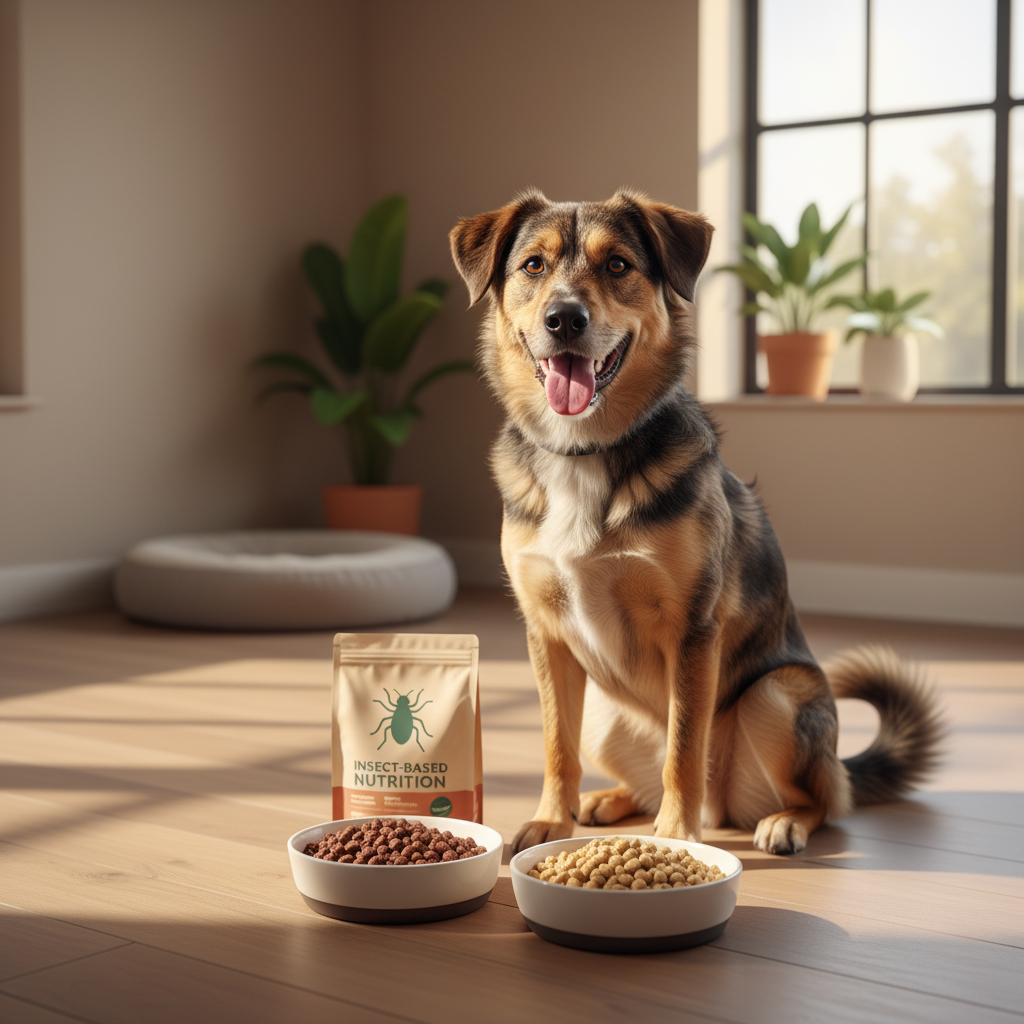
A rotational mono-protein diet is one of the most systematic tools available for pinpointing food intolerances in dogs. This guide covers how to design the protocol, read labels with precision, log symptoms accurately, and know when veterinary input is essential.
Key Takeaways
- A rotational mono-protein diet cycles through single protein sources sequentially, allowing owners to isolate which proteins trigger adverse reactions.
- Food intolerance and food allergy are distinct conditions: intolerances do not involve an immune response and are generally more common than true allergies.
- Each single-protein phase should last a minimum of eight to twelve weeks to allow dietary antigens from previous foods to clear the system adequately.
- Label literacy is non-negotiable: hidden protein fragments, unspecified broths, and generic flavourings can compromise the integrity of an entire trial.
- Nutritional completeness must be verified against AAFCO or FEDIAF standards for every food used across the rotation.
- Veterinary supervision is strongly recommended for any dog presenting with moderate to severe or chronic symptoms, and is essential when a therapeutic elimination diet is being considered.
What Is a Rotational Mono-Protein Diet?
A rotational mono-protein diet is a structured feeding approach in which a dog is fed a single, clearly identified protein source for a defined period before transitioning to a different single protein source. Unlike the mixed-protein commercial diets that make up the majority of the pet food market, this method isolates individual proteins, making it possible to observe whether a specific protein source contributes to adverse food reactions.
The term novel protein refers to a protein source the individual animal has not previously been exposed to, or has not encountered for a sufficiently long period. Veterinary nutrition professionals commonly recommend proteins such as venison, rabbit, kangaroo, or duck as starting points for elimination-style protocols, precisely because these ingredients appear less frequently in standard commercial diets and are therefore less likely to have already sensitised the dog's immune or gastrointestinal system.
It is important to distinguish this method from general rotational feeding, which cycles between complete diets primarily to introduce variety and support digestive resilience. Owners considering rotational feeding for cats rather than dogs will find a parallel discussion in Rotational Feeding for Cats: Preventing Fussy Eating Habits. A mono-protein protocol for dogs is primarily a diagnostic and management tool, not simply a feeding philosophy. When used systematically and consistently, it can provide owners and veterinarians with actionable data about which proteins a dog tolerates well and which may be contributing to chronic skin, gastrointestinal, or coat issues.
Food Intolerance vs. Food Allergy: A Critical Distinction
Owners are often surprised to learn that food intolerance and food allergy, while sometimes producing overlapping clinical signs, are physiologically different conditions. A true food allergy involves an immune-mediated response, typically a reaction to a dietary protein that the immune system misidentifies as a pathogen. Food intolerance, by contrast, does not involve the immune system and may result from a dog's reduced ability to digest or process a specific ingredient adequately.
Professional consensus in veterinary dermatology and gastroenterology holds that adverse food reactions in dogs can manifest as gastrointestinal signs (vomiting, loose or mucoid stools, flatulence, borborygmi), cutaneous signs (pruritus, erythema, papules, recurrent otitis externa, perianal irritation), or a combination of both. Because these symptoms overlap considerably with environmental allergies, seasonal atopy, and other dermatological conditions, dietary investigation rarely occurs in isolation without ruling out other causes. For a broader overview of how allergic responses present and intersect seasonally, The Science of the Itch: A Veterinary Guide to Seasonal Allergies and Atopy provides a helpful comparative framework.
The most rigorously validated diagnostic method for adverse food reactions remains the hydrolysed protein or novel protein elimination diet trial, conducted under veterinary supervision for a minimum of eight weeks and ideally twelve. A rotational mono-protein diet, when used as a longer-term management tool after a diagnosis has been established, extends this logic by introducing proteins sequentially and monitoring tolerance at each stage.
Protein Requirements and Nutritional Completeness
Before designing a mono-protein rotation, it is essential to understand the dog's baseline protein requirements. The Association of American Feed Control Officials (AAFCO) sets minimum crude protein levels for adult dog maintenance at 18% on a dry matter basis, and at 22.5% for growth and reproduction. The European equivalent, FEDIAF, maintains comparable standards within its published nutritional guidelines. These figures represent minimums. The optimal level for an individual dog varies according to life stage, activity level, body condition score, and concurrent health status.
Not all proteins deliver the same biological value. The concept of bioavailability, meaning the proportion of a nutrient that is absorbed and utilised by the body, differs considerably between protein sources. Animal-derived proteins, including muscle meat, organ tissue, eggs, and fish, generally offer higher bioavailability and more complete amino acid profiles than plant-derived proteins. This distinction matters during a mono-protein trial because substituting a high-bioavailability animal protein with a lower-quality alternative, without appropriate formulation, risks introducing amino acid deficiencies over time.
Every food used during a rotational mono-protein protocol should carry an AAFCO nutritional adequacy statement (or FEDIAF equivalent) confirming it meets requirements for the dog's life stage. Home-prepared mono-protein diets present additional complexity: without careful formulation by a board-certified veterinary nutritionist, they are at risk of being deficient in calcium, essential fatty acids, trace minerals, and fat-soluble vitamins. This risk is especially significant for growing puppies and for pregnant or lactating dogs, where nutritional imbalances can cause lasting developmental harm.
Designing the Rotation Protocol
A well-designed rotational mono-protein protocol follows a sequential, time-limited structure. The general framework recommended by veterinary nutrition professionals involves the following steps:
- Selection of a novel starting protein: Choose a protein source the dog has not consumed previously, or not for an extended period (typically over twelve months). Common starting points include venison, kangaroo, rabbit, or a clearly specified single-source fish such as sardine or herring.
- Commitment to phase duration: Each single-protein phase should last a minimum of eight weeks, with twelve weeks considered more diagnostically robust. This window allows time for dietary antigens from previous foods to clear and for the gut microbiome to stabilise on the new substrate.
- Gradual transition between proteins: When introducing a new protein, a transition period of seven to ten days is recommended to minimise gastrointestinal upset. Increasing proportions of the new food are mixed with decreasing proportions of the previous food across the transition window.
- Consistent observation and logging: Symptom tracking must be maintained throughout each phase. Owners commonly report that patterns become apparent only in retrospect when a written record is available for comparison across multiple phases.
- Reintroduction challenges: Once a protein is identified as potentially problematic, a deliberate reintroduction challenge (re-feeding the suspect protein after a washout period) can help confirm whether it is the causative factor rather than a coincidental finding.
Owners must also avoid introducing other dietary variables during the trial period, including flavoured treats, table scraps, flavoured supplements, dental chews, or training rewards made with undisclosed protein sources. A single exposure to a hidden sensitising protein can compromise several weeks of careful observation.
Reading Labels for True Mono-Protein Compliance
Label literacy is one of the most underestimated skills in practical canine nutrition, and it becomes especially critical during a mono-protein protocol. Owners are often surprised to discover that the ingredient list alone tells them less than the AAFCO adequacy statement about overall diet quality, but during a mono-protein trial, every ingredient on the label demands individual scrutiny.
Key label elements to examine include:
- Primary protein source: The first named ingredient should be a whole meat or meat meal of a single, clearly identified species (for example, "venison" or "duck meal"). Products listing multiple meat species among the primary ingredients are not suitable for a mono-protein trial.
- Hidden protein fragments: Ingredients labelled as "animal digest", "meat and bone meal", "poultry fat", "liver", or similar generic terms without species specification may derive from multiple animal sources. These compromise the mono-protein status of the food and should be avoided.
- Broths and flavourings: "Natural flavouring", "chicken broth", or comparable additions can introduce protein from a species not listed as the primary ingredient. During a mono-protein trial, these should be avoided unless the species of origin is explicitly and unambiguously declared on the label.
- Guaranteed analysis panel: The crude protein percentage is listed on an as-fed basis. For meaningful comparison between wet and dry foods, convert to a dry matter basis by dividing the crude protein percentage by the result of 100 minus the moisture percentage, then multiplying by 100. This conversion is essential when switching format between phases.
- Carbohydrate and vegetable sources: These rarely trigger protein-specific intolerances but may contribute to separate sensitivities in some dogs. Where possible, select a food with a short, transparent ingredient list during an active diagnostic phase.
For a comprehensive walkthrough of label terminology, the guide Decoding Pet Food Labels: Understanding Nutritional Guarantees and Ingredients provides detailed coverage of guaranteed analysis, ingredient hierarchy, and adequacy statement interpretation.
Recognising Signs of Intolerance During Each Phase
Consistent symptom monitoring is the foundation of a meaningful mono-protein protocol. Owners should document observations daily rather than only when symptoms are present. The absence of symptoms is equally important data and forms the baseline against which deterioration or improvement is measured.
Common signs associated with adverse food reactions in dogs include:
- Gastrointestinal signs: Loose or mucoid stools, increased frequency of defecation, vomiting, excessive flatulence, or audible gut sounds (borborygmi). Acute onset gastrointestinal signs within hours of a new food introduction may suggest intolerance, though gradual onset over days to weeks is also possible.
- Cutaneous signs: Pruritus affecting the paws, face, axillae, or groin; erythema; papular eruptions; recurrent otitis externa; or perianal irritation and scooting. Skin and coat changes associated with secondary yeast overgrowth, which can develop as a consequence of dietary-driven immune disruption, are discussed in Humidity and Hounds: A Vet Nurse's Guide to Preventing Hot Spots and Yeast.
- Coat and skin quality changes: Dull or brittle coat, increased scaling, or the development of hot spots that correlate temporally with dietary changes.
- Behavioural indicators: Increased restlessness, face-rubbing against surfaces, disrupted sleep, or reduced activity consistent with gastrointestinal discomfort.
Symptom onset after introducing a new protein may take days to weeks rather than appearing immediately. Equally, resolution of symptoms following removal of a problematic protein can take several weeks as dietary antigens clear and mucosal inflammation subsides. Premature conclusion of a phase risks generating false-negative findings.
Keeping a Symptom Log
A structured symptom log is the most practical tool for identifying patterns across multiple protein phases. The log should record, at minimum:
- Date and current protein phase (including the week number within the phase)
- Stool consistency and frequency (a standardised reference such as the Purina Fecal Scoring System provides an objective framework)
- Skin and coat observations, including presence or absence of scratching, redness, or discharge
- Ear condition, noting any odour, head shaking, or pawing at the ears
- Any treats, supplements, flavoured medications, or non-standard items consumed
- Overall demeanour, appetite, and energy level
Photographic records of skin lesions or coat changes provide objective evidence of progression or improvement over time. Many veterinary practices accept photograph submissions through client communication platforms, making remote monitoring practical for owners who cannot attend frequent in-person appointments. A well-maintained log significantly reduces the time a consulting veterinarian or veterinary nutritionist needs to reach a working conclusion.
Common Protein Sources and Practical Considerations
The following protein sources are commonly used in mono-protein protocols, each with practical notes relevant to selection and sourcing:
- Venison: A frequently used novel protein with a relatively high crude protein content and a good essential amino acid profile. Commercially available in both dry and wet formats across most markets. Considered genuinely novel for most dogs raised on mainstream commercial diets.
- Rabbit: A lean protein with moderate fat content, often well tolerated and available in both commercial and raw formats. Less widely distributed in some international markets, which may affect phase-to-phase consistency.
- Kangaroo: A very lean, geographically novel protein source rarely found in standard global commercial diets. Frequently used in veterinary elimination diets in Australia and increasingly available elsewhere through specialist retailers.
- Duck: More widely available than many novel proteins, though this also means some dogs with varied commercial diet histories may have had prior exposure through multi-protein formulas, potentially reducing its novelty value for that individual.
- Hydrolysed protein: While not a single whole protein source, hydrolysed diets (in which proteins are enzymatically broken down to sub-allergenic molecular weights) are a recognised alternative recommended by veterinary dermatologists for true elimination diet trials. These require veterinary prescription in many markets and are not interchangeable with standard mono-protein commercial diets.
- Insect protein (black soldier fly larvae, mealworm): An emerging commercial protein source with some evidence of high digestibility. Cross-reactivity with crustacean allergens has been noted in the literature, and caution is warranted in dogs with known or suspected shellfish sensitivities.
Portion Sizing During a Mono-Protein Trial
Portion sizing during a mono-protein protocol should be guided by the dog's metabolisable energy (ME) requirements, calculated from its target body weight, life stage, and activity level. Most commercially formulated mono-protein diets provide feeding guides calibrated to the target body weight, but these guides are starting points rather than precise prescriptions, given the individual variation in metabolic rate between dogs.
Body condition scoring (BCS), assessed on the standardised nine-point scale recommended by WSAVA nutrition guidelines, should be conducted every two to four weeks during the protocol. If the dog's BCS shifts upward or downward by one point or more during a protein phase, portion adjustment should be made before attributing any physical change to the protein source itself.
For senior dogs undergoing a mono-protein trial, caloric requirements and digestive physiology may differ substantially from those of younger adults. The guide Senior Dog Nutrition: Adjusting Calories and Supplements for Healthy Aging outlines life-stage specific considerations that should inform portion and formulation decisions in older animals.
Special Dietary Considerations
Puppies
Mono-protein elimination diets in growing puppies require particular caution. Puppies have substantially higher protein requirements per kilogram of body weight than adult dogs, and their skeletal and organ development depends on a balanced supply of macro and micronutrients. Any home-prepared mono-protein diet for a puppy must be formulated individually by a board-certified veterinary nutritionist. Commercial mono-protein options carrying AAFCO statements for "growth" or "all life stages" represent the safer foundation for puppies who require a dietary investigation.
Senior Dogs
Older dogs may present with food intolerance symptoms that overlap with age-related gastrointestinal changes, reduced digestive enzyme activity, or concurrent conditions such as inflammatory bowel disease or exocrine pancreatic insufficiency. Veterinary input is especially important in this group to ensure that dietary changes are addressing the correct underlying cause and that protein restriction, where indicated by concurrent renal function concerns, is factored into the formulation.
Dogs with Concurrent Skin Conditions
For dogs presenting with both cutaneous and gastrointestinal signs, distinguishing between dietary and environmental triggers can be diagnostically complex. A structured mono-protein trial combined with veterinary allergy assessment (intradermal testing or serology) may provide the most clinically informative combined approach. The interplay between diet, environment, and skin barrier function is discussed in further detail in The Science of the Itch: A Veterinary Guide to Seasonal Allergies and Atopy.
Foods That Are Toxic to Dogs: Safety Reference
During any dietary protocol involving novel foods or home preparation, it is essential to ensure that no harmful substances are inadvertently introduced. The following table summarises foods and substances toxic to dogs that must be excluded from all feeding trials:
| Food or Substance | Primary Risk | Severity |
|---|---|---|
| Chocolate and cocoa products | Theobromine toxicity: cardiac arrhythmia, neurological signs, seizures | High |
| Xylitol (artificial sweetener) | Rapid hypoglycaemia, hepatic failure | High |
| Grapes and raisins | Acute kidney injury (mechanism not fully characterised) | High |
| Onions, garlic, leeks, chives (all Allium species) | Haemolytic anaemia via thiosulphate toxicity | Moderate to High |
| Macadamia nuts | Weakness, hyperthermia, vomiting, tremors | Moderate |
| Avocado (flesh, skin, and pit) | Persin toxicity: vomiting, diarrhoea, potential cardiac effects | Moderate |
| Alcohol (all forms) | CNS depression, hypoglycaemia, respiratory failure | High |
| Raw yeast dough | Ethanol production during fermentation, gastric dilatation risk | High |
| Cooked bones (especially poultry) | Splintering risk causing gastrointestinal perforation or obstruction | High |
If accidental ingestion of any toxic substance is suspected, contact a veterinarian or an animal poison control service immediately. For detailed guidance on theobromine and xylitol toxicity, refer to Easter Chocolate and Xylitol: A Critical Care Toxicity Guide.
When to Involve Your Veterinarian
A rotational mono-protein diet is a management and investigative tool, not a substitute for veterinary diagnosis. Professional consultation is recommended in the following situations:
- Symptoms are severe, acute, or worsening despite dietary modification
- The dog is losing weight or showing signs of nutritional deficiency during any phase of the trial
- Symptoms fail to resolve after a full twelve-week novel protein phase
- A prescription hydrolysed or therapeutic elimination diet is under consideration
- The dog has concurrent health conditions (chronic kidney disease, pancreatitis, hepatic disease, exocrine pancreatic insufficiency) that may interact with protein source selection or intake level
- The dog is a puppy, pregnant, lactating, or has a compromised immune status
Veterinary nutritionists who hold diplomate status with the American College of Veterinary Nutrition (ACVN) or the European College of Veterinary and Comparative Nutrition (ECVCN) can provide individually tailored dietary formulations that balance the diagnostic goals of a mono-protein protocol with complete and balanced nutrition. WSAVA nutrition guidelines recommend that dogs with chronic or complex dietary issues be assessed by a qualified nutrition professional before long-term dietary modification is implemented and maintained.
Home-prepared diets, regardless of how symptom-free the dog appears on them, should never be maintained long-term without professional formulation. Deficiencies in calcium, zinc, vitamin D, iodine, and essential fatty acids may not present clinical signs for months yet cause measurable harm to bone density, coat integrity, thyroid function, and organ health over an extended feeding period.
Frequently Asked Questions
How long should each phase of a mono-protein rotation last? ↓
Can I use home-prepared food for a mono-protein intolerance trial? ↓
What is the difference between a mono-protein diet and a hydrolysed protein diet? ↓
How do I identify a hidden protein on a dog food label during a trial? ↓
Can I give treats during a mono-protein intolerance trial? ↓
What symptoms suggest a dog may have a food intolerance rather than an environmental allergy? ↓

Sarah Mitchell
Canine Nutrition Consultant
Canine nutrition consultant — evidence-based feeding guidance, label literacy, and diet planning without brand bias.
Content Disclosure
This article was created using state-of-the-art AI models with human editorial oversight. It is intended for informational and entertainment purposes only and does not constitute veterinary medical advice. Always consult a licensed veterinarian for your pet's specific health needs. Learn more about our process.