Aquatics & Fish Care
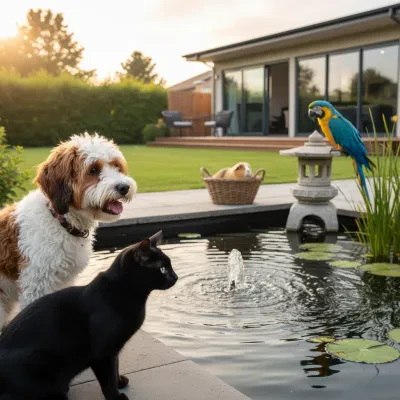
Summer Pond Care FAQ: Oxygen, Algae and Predators
Calm, practical answers to the questions garden pond owners ask most during heatwaves. Learn how to manage oxygen, algae, top-ups, predators and stocking.
Explore by topic
Practical information about aquatics & fish care to help you care for your pet and prepare questions for your veterinarian.
Calm, practical answers to the questions garden pond owners ask most during heatwaves. Learn how to manage oxygen, algae, top-ups, predators and stocking.
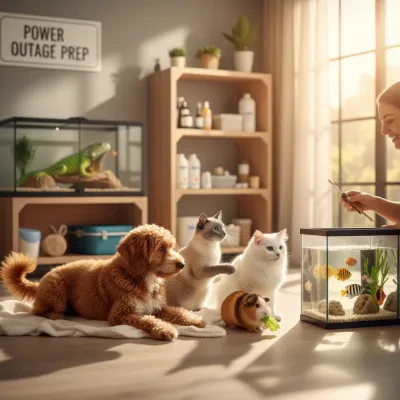
A comprehensive checklist for keeping aquarium fish safe during summer power outages. Covers battery air pumps, species survival times, temperature control, and emergency water changes.

A room by room checklist for launching a tropical aquarium in warm regions. Covers heat tolerant species, cooling methods, evaporation control, power outage plans, and a May to September maintenance calendar.

Ammonia and nitrite spikes after winter dormancy kill more pond fish in spring than any other season. U.S. pond owners face region-specific challenges, from chloramine-heavy municipal water to invasive plant restrictions, that demand a tailored testing strategy.
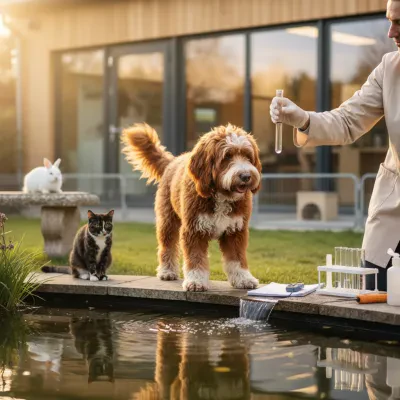
A complete checklist for testing ammonia, nitrite, and other parameters in outdoor ponds and container water gardens as fish emerge from winter dormancy. Includes a printable weekly log template for April and May.

Spring is the ideal time to start a tropical community aquarium. This guide covers beginner fish species, nitrogen cycle timing, essential equipment, and the stocking mistakes that cause aggression or disease.

As summer approaches, rising room temperatures can push aquarium water into dangerous stress zones for fish, corals, and invertebrates. This guide ranks cooling fans, chillers, and DIY methods by tank size, cost, and energy use so owners can choose the best option.
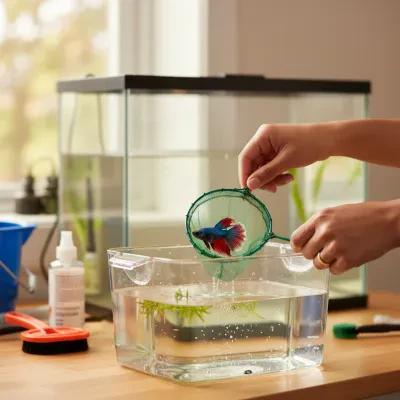
Rising spring temperatures can quietly destabilise your freshwater aquarium's water chemistry, trigger algae blooms, and reduce filter efficiency. This step by step seasonal maintenance checklist helps you get ahead of the problems before they harm your fish.

Spring is the highest-risk season for pond fish health across the United States, from the thawing ponds of the Northeast to the year-round mild climates of the South and Pacific Coast. Understanding what increased surface activity, spawning chases, and flashing behavior actually mean for your water quality can be the difference between a thriving pond and a preventable fish loss.
As water temperatures rise each spring, pond fish display a cascade of behaviours that range from entirely normal to genuinely urgent. Learning to distinguish thermoregulatory surface positioning from hypoxic distress, reproductive chasing from harmful aggression, and incidental flicking from a parasite crisis is the foundation of proactive spring pond management.
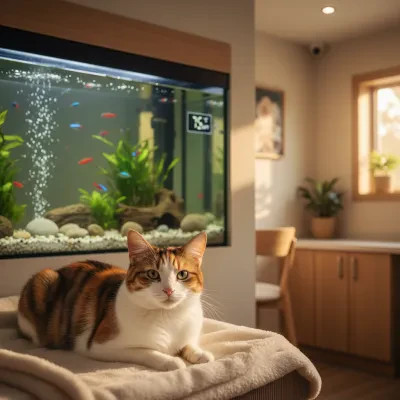
As ambient temperatures climb each spring, the water chemistry inside a freshwater aquarium undergoes a series of interconnected shifts that can reduce dissolved oxygen, destabilise pH, and trigger a cascade of opportunistic disease. Understanding the science behind these changes is the most effective tool aquarium owners have for protecting their fish during the season's most chemically volatile weeks.
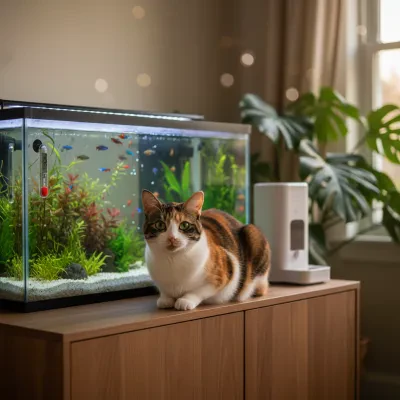
Spring brings unpredictable room temperatures that can destabilize even a well-maintained tropical aquarium. This expert FAQ covers the most common owner concerns, from heater performance gaps to disease outbreaks triggered by thermal stress.