Pet Nutrition & Diet
Navigating the world of pet nutrition can feel overwhelming amidst aggressive marketing and conflicting advice. Effective nutrition is not about choosing the trendiest brand, but understanding the biological requirements of your animal. Whether you feed commercial kibble, canned food, or a home prepared raw diet, the foundation of health lies in the balance of macronutrients and the bioavailability of essential vitamins and minerals. My approach focuses on deciphering ingredient labels and guaranteed analysis panels so you know exactly what is going into your pet's bowl.
Every animal has unique metabolic needs based on age, breed, activity level, and existing health conditions. A working border collie requires a vastly different fuel source than a senior pug. We move beyond generic feeding guidelines to help you construct a tailored feeding plan that supports longevity and vitality. By understanding the role of proteins, fats, and carbohydrates, you can make evidence based decisions that prevent common dietary issues like obesity and digestive sensitivity.
TrustMyPets provides unbiased, science backed guidance to bridge the gap between veterinary recommendation and practical daily feeding. We empower you to look past the packaging claims and assess the nutritional density of foods. From calculating caloric needs to sourcing safe supplements, our resources are designed to turn you into an informed advocate for your pet's nutritional well being.

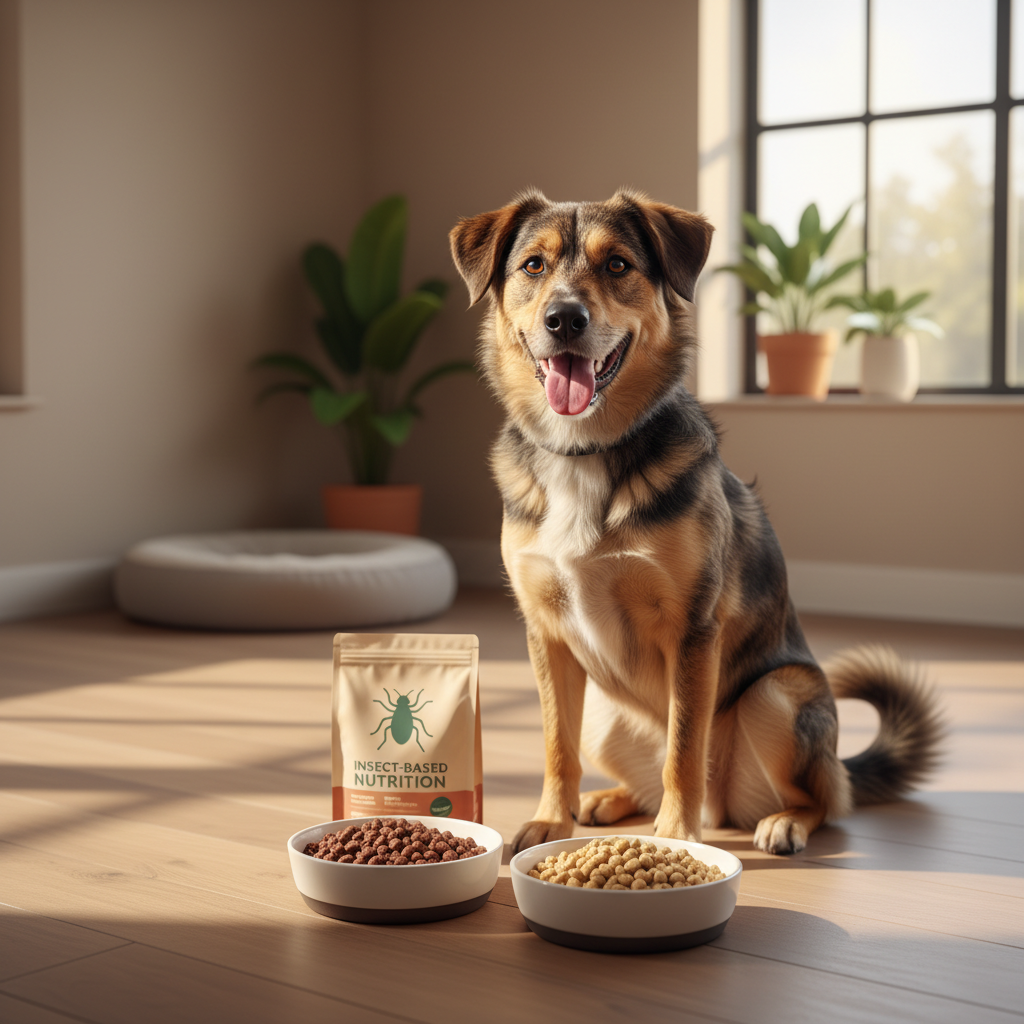
Insect Protein Dog Food vs Kibble: A US Guide (2026)
Insect protein dog food is gaining traction across the United States as an alternative to traditional kibble. This guide covers AAFCO compliance, pricing in USD, and practical advice for American dog owners considering the switch.

Switch Your Dog to Fresh or Cooked Food Safely
A practical guide for U.S. dog owners on transitioning to fresh or lightly cooked diets. Covers AAFCO compliance, food safety in varied American climates, realistic costs in USD, and when to consult a board certified veterinary nutritionist.

Mushroom Supplements for Dogs and Cats: 2026 Guide
Turkey tail, lion's mane, and reishi mushrooms are increasingly popular pet supplements, but do they work? This guide covers veterinary evidence, dosing by body weight, safety considerations, and how to spot quality products.
Insect Based Dog Treats: A U.S. Buyer's Guide
Insect protein dog treats are gaining ground across the United States as a sustainable, novel protein option. This guide covers AAFCO regulations, nutritional facts, allergy considerations, and practical buying tips for American dog owners.

Probiotics for Dogs and Cats: A Science Based Guide
Learn what probiotics actually do inside your pet's gut, how to read CFU counts on labels, and which products veterinarians recommend. This guide also covers whether homemade kefir is a safe alternative.

Raw vs Fresh Dog Food Delivery: U.S. Guide 2026
A practical comparison of raw and fresh cooked dog food delivery services available across the United States in 2026. Covers AAFCO compliance, FDA oversight, cold chain safety in varied U.S. climates, and real cost breakdowns in USD.

What to Feed a Dog With Spring Allergies
Spring allergies in dogs often have a dietary component that owners overlook. This guide covers elimination diet protocols, novel protein choices, omega-3 dosing for inflamed skin, and how to decode commercial dog food labels for hidden allergens.

Functional Ingredients in Pet Food: What Science Says
Premium pet foods market probiotics, omega fatty acids, glucosamine, and taurine as health boosters. This guide decodes the science behind those label claims and explains what peer reviewed research actually supports.

Adjusting Your Senior Cat's Diet in Warm Weather
Warmer months often reduce a senior cat's appetite, requiring careful calorie recalculation, increased hydration, and phosphorus monitoring. This guide covers practical feeding adjustments and the warning signs that demand a veterinary visit.

Raw vs Cooked vs Freeze-Dried Dog Food: US Guide
American dog owners face unique climate, cost, and safety factors when choosing between raw, gently cooked, and freeze-dried diets. This guide breaks down pathogen risk, daily costs in USD, and AAFCO compliance for each format.

Feeding Dogs in Extreme Heat: A Nutrition Guide
Hot weather changes how dogs eat, drink, and metabolise nutrients. This guide covers meal timing, hydration foods, portion adjustments, and spotting heat-related appetite loss.

Using Food Puzzles and Scatter Feeding to Slow Down Fast Eaters: The Nutritional and Behavioural Case for Enrichment Feeding in Dogs
Rapid eating in dogs carries real health risks, from regurgitation and bloating to life-threatening gastric dilatation-volvulus in deep-chested breeds. Food puzzles and scatter feeding are evidence-informed enrichment strategies that slow consumption, support digestion, and meet a dog's cognitive and olfactory needs using positive reinforcement principles.