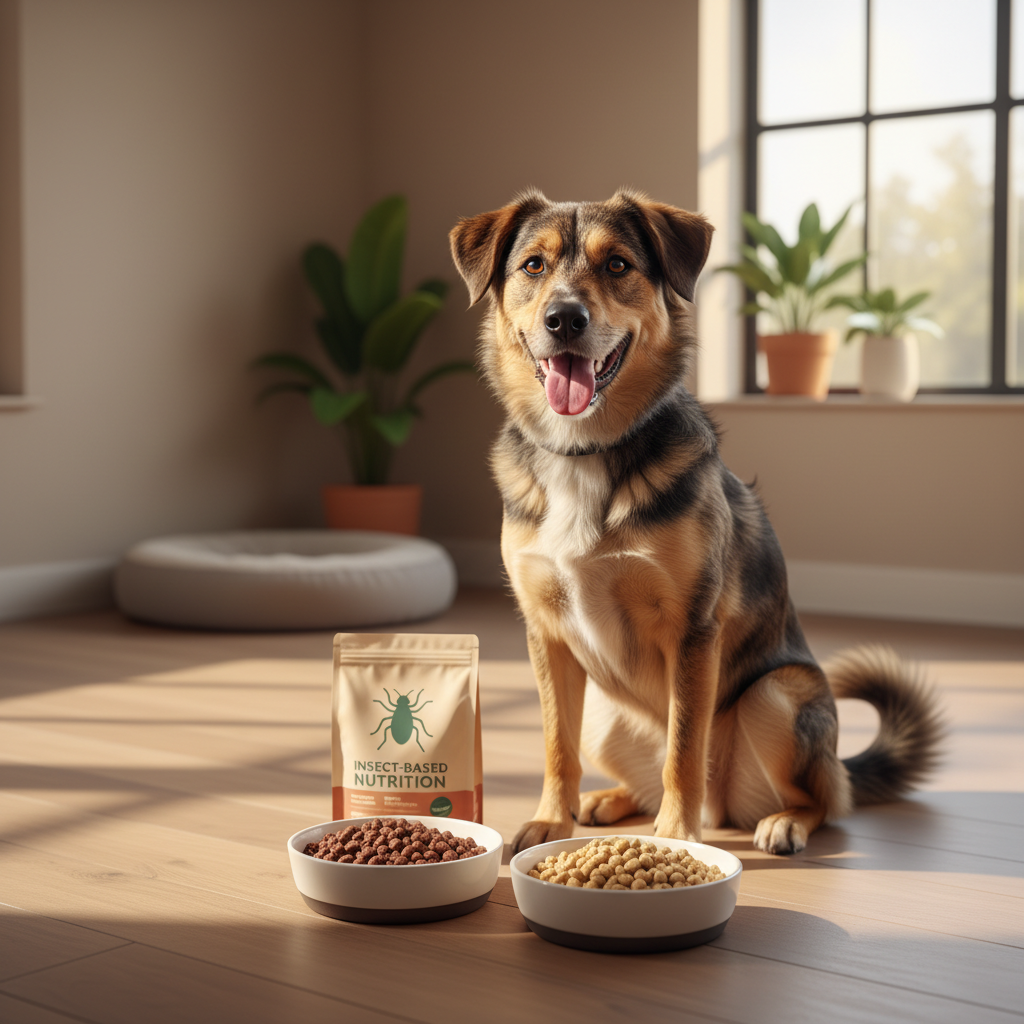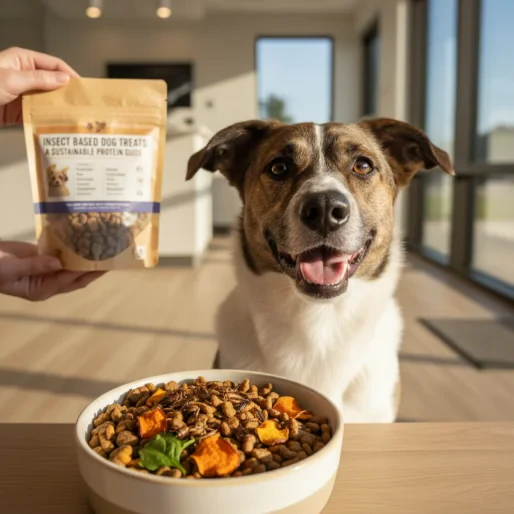
Insect protein dog treats are gaining ground across the United States as a sustainable, novel protein option. This guide covers AAFCO regulations, nutritional facts, allergy considerations, and practical buying tips for American dog owners.
Key Takeaways
- Black Soldier Fly larvae (BSFL) deliver a complete amino acid profile with crude protein levels typically ranging from 35% to 60% on a dry matter basis.
- AAFCO has accepted specific insect derived ingredients into its Official Publication, giving U.S. manufacturers a regulatory pathway to market.
- Insect protein qualifies as a novel protein, making it useful for dogs with confirmed sensitivities to chicken, beef, or other common proteins frequently found in American pet food.
- U.S. pet owners should look for treats with named protein sources, an AAFCO feeding statement, and a clear guaranteed analysis panel.
- Always consult a licensed veterinarian before using insect protein as part of an elimination diet for suspected food allergies.
The U.S. Market for Insect Based Dog Treats in 2026
The American pet food industry is the largest in the world, and sustainability has become a growing purchasing factor. According to the American Pet Products Association (APPA), total U.S. pet industry spending continues to exceed $140 billion annually, with pet food and treats representing the largest share. Within this market, insect based treats have emerged as a niche but rapidly expanding segment.
Several U.S. based and international companies now sell insect protein treats through major retailers, specialty pet stores, and online platforms. The appeal is twofold: environmental responsibility (insect farming uses significantly less land, water, and feed compared to traditional livestock) and nutritional novelty for dogs that have developed sensitivities to mainstream proteins like chicken or beef, two of the most common protein sources in American dog food.
AAFCO Regulatory Status: What U.S. Buyers Should Know
In the United States, pet food ingredients must be recognized by the Association of American Feed Control Officials (AAFCO) or approved through an individual state's feed regulatory process. AAFCO does not directly regulate or approve products, but its Official Publication defines accepted feed ingredients, and most state feed control officials rely on it.
As of 2026, specific insect derived ingredients, including dried Black Soldier Fly larvae, have been reviewed and listed in the AAFCO Official Publication. This is a meaningful step: it means manufacturers can legally use these ingredients in pet food sold across most U.S. states, provided they comply with state level feed registration and labeling laws.
However, U.S. regulations differ from the European Union's framework. The FDA's Center for Veterinary Medicine (CVM) also exercises oversight. Products making health claims or therapeutic statements may face additional scrutiny. For American dog owners, the practical advice is to look for treats that carry a proper AAFCO feeding statement (typically "intended for intermittent or supplemental feeding only" for treats) and are sold through reputable channels.
Nutritional Profile of Black Soldier Fly Larvae
Protein and Amino Acids
BSFL typically contain between 35% and 60% crude protein on a dry matter basis, depending on the rearing substrate and processing method. Published research indicates BSFL provide all essential amino acids dogs require, including lysine, methionine, and threonine. Protein digestibility of processed BSFL meal is generally considered comparable to conventional animal protein meals, though some studies suggest slightly lower apparent digestibility than premium poultry meal.
Fat Content
BSFL are naturally high in fat, often between 15% and 35% crude fat on a dry matter basis. The fatty acid profile features notable lauric acid content. However, the omega 3 to omega 6 ratio is typically not optimal for dogs without supplementation. Well formulated U.S. products often add fish oil, flaxseed, or algal oil to balance essential fatty acid levels per AAFCO nutrient profiles.
Minerals and Chitin
BSFL are calcium rich due to their exoskeleton, with calcium to phosphorus ratios that vary based on rearing conditions. This matters especially for puppies, where an imbalanced ratio can be harmful. The exoskeleton also contains chitin, a fibrous polysaccharide that may support gut microbiome diversity but could reduce overall nutrient digestibility in large amounts. At treat level feeding, the practical impact of chitin is likely minimal.
Novel Protein Benefits for Allergy Prone Dogs
Food allergies in dogs most commonly involve proteins. According to veterinary dermatology literature, proteins frequently implicated in canine food allergies include beef, dairy, chicken, wheat, and lamb, all of which are ubiquitous in the U.S. pet food market.
For American dogs, insect protein remains a genuinely novel ingredient. Unlike venison or bison (both increasingly common in U.S. limited ingredient diets), most dogs have had zero dietary exposure to insect derived proteins. This makes BSFL treats a practical option during or after a veterinary supervised elimination diet, provided the treat contains no other common allergens.
Critical Cautions for U.S. Dog Owners
"Hypoallergenic" is not a term regulated by AAFCO or the FDA for pet food. A treat marketed as insect based may still contain chicken fat, egg, or wheat as secondary ingredients. Cross contamination during manufacturing is also possible. Owners managing confirmed food allergies should:
- Read the full ingredients list on every product.
- Contact the manufacturer directly to ask about shared production lines.
- Work under the guidance of a veterinarian or a board certified veterinary nutritionist (Diplomate ACVN). The American College of Veterinary Nutrition maintains a directory of diplomates practicing in the United States.
Prescription hydrolyzed protein diets remain the gold standard for diagnostic elimination trials, as recommended by the World Small Animal Veterinary Association (WSAVA) nutrition guidelines.
Palatability: Will Your Dog Accept Insect Treats?
Palatability is a common concern among U.S. dog owners, especially given the variety of treat options available on the American market. Published feeding trials conducted between 2019 and 2025 generally show favorable acceptance of BSFL based products. Most dogs accept insect treats without significant reluctance, particularly when larvae are processed into meal or baked into a biscuit format.
Practical Tips for American Dog Owners
- Start small: Offer a single insect based treat alongside a familiar treat and observe your dog's response.
- Try different formats: Dried whole larvae, extruded treats, and baked biscuits have different textures. A dog that rejects one format may accept another.
- Mix with regular food: For reluctant dogs, crushing an insect treat over their regular kibble can ease the transition.
- Allow multiple exposures: Some dogs are naturally cautious about new foods. Two or three attempts may be needed before acceptance.
Reading Labels: A Guide for U.S. Consumers
U.S. pet food labeling is governed by AAFCO model regulations and enforced at the state level. Here is what to evaluate on an insect based treat label.
Named Protein Sources
Look for specific insect ingredient names near the top of the ingredients list: "Black Soldier Fly larvae meal," "dried Hermetia illucens larvae," or "insect protein meal (Black Soldier Fly)." Vague terms like "insect meal" without species identification are less transparent.
Guaranteed Analysis
The guaranteed analysis panel is required on all U.S. pet food and treat labels. Key values to check:
- Crude protein: For dried insect treats, look for values above 20%.
- Crude fat: Expect moderate to high levels due to BSFL's natural fat content.
- Crude fiber: May be higher than conventional treats because of chitin.
- Moisture: Lower moisture means a more calorie dense product per ounce.
Additives and Preservatives
Natural preservatives such as mixed tocopherols (vitamin E) or rosemary extract are generally preferred. Be skeptical of therapeutic or health claims on treat packaging unless backed by clinical data.
Portion Sizing for U.S. Dogs
BSFL treats can be calorie dense, so portion control is important. Veterinary nutritionists recommend that treats (from all sources combined) should not exceed roughly 10% of a dog's daily caloric intake. General guidelines:
- Small dogs (under 22 lbs): Limit treats to approximately 30 to 50 kcal per day total.
- Medium dogs (22 to 55 lbs): Approximately 50 to 100 kcal per day from treats.
- Large dogs (over 55 lbs): Approximately 100 to 150 kcal per day from treats.
These ranges are starting points. Active dogs, working breeds (common in the U.S. such as Labrador Retrievers, German Shepherds, and Australian Shepherds), or growing puppies may have different caloric needs. Dogs on a weight management plan may require stricter limits.
Special Populations
Puppies
Growing dogs have higher protein and mineral requirements. Insect treats can be offered to puppies but should remain a small supplement to a complete puppy diet formulated to AAFCO growth standards. Small, high value treats are useful during puppy socialization classes and positive reinforcement training, both widely recommended by the American Veterinary Society of Animal Behavior (AVSAB).
Senior Dogs
Older dogs may benefit from novel, digestible protein sources, especially if they have developed food sensitivities over time. Given that veterinary costs in the U.S. tend to be high, managing sensitivities through dietary adjustments (under veterinary supervision) can be a practical complement to clinical care. Monitor for gastrointestinal changes when introducing any new food to a senior dog.
Dogs With Chronic Conditions
Dogs with kidney disease, pancreatitis, liver conditions, or other metabolic disorders may need specific macronutrient restrictions. Any dietary changes for dogs with chronic conditions must be supervised by a veterinarian. Prescription or therapeutic diets should never be replaced with over the counter products without professional guidance.
Climate Considerations for U.S. Dog Owners
The United States spans a wide range of climates, which can affect treat storage and feeding routines. In humid southern states (such as Florida, Texas, or Louisiana), insect based treats with lower moisture content are preferable, as high humidity can accelerate spoilage once packaging is opened. Store treats in airtight containers in a cool, dry location. In hot summer months (when temperatures regularly exceed 90°F across much of the country), avoid leaving treats in cars or outdoor spaces where heat can degrade nutritional quality and encourage bacterial growth.
Toxic Foods: A Quick Reference
| Food | Toxic Component | Risk Level |
|---|---|---|
| Chocolate | Theobromine, caffeine | Moderate to severe |
| Grapes and raisins | Unknown compound | Severe (kidney failure) |
| Onions and garlic | Thiosulfates | Moderate to severe |
| Xylitol (birch sugar) | Insulin release trigger | Severe (hypoglycemia, liver failure) |
| Macadamia nuts | Unknown compound | Moderate |
| Cooked bones | Splintering risk | Moderate (GI obstruction or perforation) |
| Alcohol | Ethanol | Severe |
If a dog ingests any toxic food, contact a veterinarian or the ASPCA Animal Poison Control Center (available 24/7) immediately.
ASPCA Animal Poison Control Center
Call the ASPCA Poison Control hotline or contact your nearest emergency veterinary clinic immediately.
A consultation fee may apply. For non-poison emergencies, search "emergency vet near me" or call your local animal ER.
Final Thoughts
Insect based dog treats, particularly those featuring Black Soldier Fly larvae, represent a promising option for U.S. dog owners seeking sustainable, novel protein alternatives. The regulatory landscape through AAFCO and the FDA is evolving in a favorable direction, and the nutritional science supporting BSFL is growing. However, critical label reading, appropriate portion control, and veterinary guidance remain essential. No single treat is a complete solution: the best feeding plan is one tailored to the individual dog's health status, life stage, and dietary history.
Disclaimer: This article was prepared by an AI generated content specialist representing pet nutrition consulting expertise modeled on professional standards. Content is for educational purposes only and does not replace consultation with a licensed veterinarian or board certified veterinary nutritionist.
Frequently Asked Questions
Are insect based dog treats legal in the United States? ↓
Can insect treats help dogs with food allergies? ↓
How many insect based treats can I give my dog per day? ↓
How should I store insect based treats in hot or humid climates? ↓
What should I look for on the label of an insect based dog treat? ↓

Sarah Mitchell
Canine Nutrition Consultant
Canine nutrition consultant — evidence-based feeding guidance, label literacy, and diet planning without brand bias.
Content Disclosure
This article was created using state-of-the-art AI models with human editorial oversight. It is intended for informational and entertainment purposes only and does not constitute veterinary medical advice. Always consult a licensed veterinarian for your pet's specific health needs. Learn more about our process.