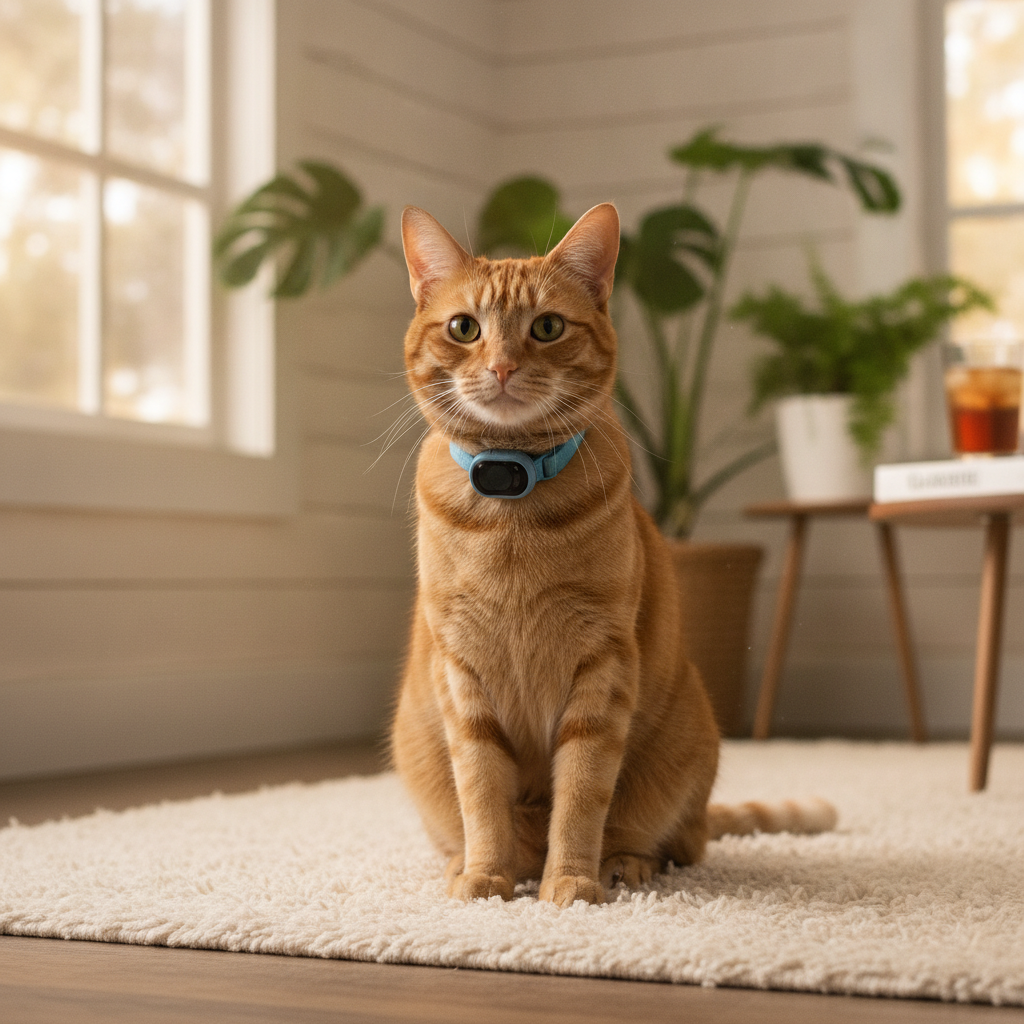
A U.S. focused guide to wearable heart monitors for dogs and cats in 2026, covering device comparisons, veterinary integration, climate considerations, and cost planning for American pet owners. Learn which monitors align with ACVIM cardiac screening guidelines and how to use trending data alongside your veterinarian.
Key Takeaways for U.S. Pet Owners
- Pet wearable heart monitors in 2026 use optical sensors, accelerometers, and AI algorithms to detect gradual changes in resting heart rate and respiratory rate, potentially flagging early heart disease in dogs and cats.
- No consumer wearable replaces veterinary diagnostics such as ECG or echocardiography. The American College of Veterinary Internal Medicine (ACVIM) consensus statements on cardiac screening remain the clinical standard.
- U.S. veterinary costs for cardiac workups (echocardiograms typically run $400 to $800 or more depending on the region) make early detection financially significant, since earlier intervention can reduce emergency costs.
- Extreme U.S. climate variation, from Gulf Coast humidity to Rocky Mountain altitude, can affect resting heart rate baselines and device sensor performance.
- Subscription costs often exceed the hardware price over the device lifespan, so factor monthly fees into your First Year Pet Costs in the U.S.: 2026 Budget Guide.
Why Cardiac Monitoring Matters in the U.S.
The United States has the highest rate of pet ownership globally, with an estimated 65% or more of households including at least one pet. According to veterinary literature, roughly 10% of dogs seen in primary care have some form of heart disease, and hypertrophic cardiomyopathy (HCM) remains one of the most common cardiac conditions in cats. Breeds popular in the U.S. such as Cavalier King Charles Spaniels, Doberman Pinschers, Boxers, Maine Coons, and Ragdolls carry elevated genetic cardiac risk.
The ACVIM has published consensus statements outlining screening protocols for breeds predisposed to conditions like myxomatous mitral valve disease (MMVD) and dilated cardiomyopathy (DCM). Traditional screening relies on auscultation, echocardiography, and Holter monitoring performed in a veterinary cardiology practice. Between annual or biannual checkups, however, subtle changes in resting heart rate or sleeping respiratory rate can go unnoticed. Wearable monitors aim to bridge that gap by collecting continuous data in the home environment, where pets are relaxed and readings reflect true resting physiology.
For U.S. pet owners, the financial dimension is also critical. Emergency treatment for congestive heart failure can exceed $3,000 to $5,000, while ongoing management with medications such as pimobendan, furosemide, or enalapril adds recurring monthly costs. Earlier detection may allow veterinarians to start therapy sooner, potentially slowing disease progression and reducing the likelihood of costly emergency visits.
How These Devices Work
Sensor Technology
Most pet health monitors rely on photoplethysmography (PPG) optical sensors (similar to those in Apple Watch or Fitbit devices familiar to U.S. consumers), multi-axis accelerometers, and sometimes temperature sensors. PPG sensors emit light into the skin and measure blood volume changes to estimate heart rate. Accelerometers detect motion patterns, allowing the device to isolate resting heart rate from active readings.
AI Baseline Personalization
Advanced 2026 devices build a personalized baseline for each pet over the first one to two weeks of wear, rather than comparing against generic breed averages. This matters because individual variation is substantial. A retired Greyhound (a breed commonly adopted through U.S. rescue organizations) may have a Adopting a Retired Greyhound in the U.S.: Care Guide around 50 to 70 bpm, while a healthy Chihuahua may sit between 100 and 140 bpm. A universal alarm set at 120 bpm would be meaningless for both.
What Gets Measured
- Resting heart rate (RHR): Collected during sleep or calm rest. A gradual upward trend over weeks may indicate developing cardiac insufficiency, pain, or systemic illness.
- Resting respiratory rate (RRR): A sleeping respiratory rate consistently above 30 breaths per minute in dogs and cats is a well-established early indicator of congestive heart failure, per ACVIM cardiology guidelines.
- Heart rate variability (HRV): Reduced HRV can indicate autonomic nervous system imbalance linked to cardiac disease, stress, or pain.
- Activity levels and sleep patterns: Decreased exercise tolerance and increased sleep can serve as secondary markers of progressing heart disease.
U.S. Climate Considerations for Wearable Accuracy
The United States spans dramatically different climates, and environmental conditions can affect both your pet's cardiac baseline and device sensor performance.
- Southern humidity (Gulf states, Southeast): Sustained temperatures above 90°F with high humidity elevate resting heart rates in both dogs and cats. Brachycephalic breeds such as Bulldogs, Pugs, and French Bulldogs (extremely popular in the U.S.) are especially vulnerable to heat-related cardiac stress. Owners in these regions should expect elevated summer baselines and adjust alert expectations accordingly.
- Northern winters (Midwest, Northeast): Cold exposure below 20°F can also affect heart rate and activity levels, particularly for small or short-coated breeds. Indoor heating environments tend to stabilize readings, but transitions between cold outdoor walks and warm homes may cause temporary spikes.
- Western altitude and wildfire smoke: Pets living at elevation (Colorado, Utah, mountain communities) may have slightly different baseline cardiovascular profiles. During wildfire season in California, Oregon, and Washington, poor air quality can elevate respiratory rates. Wearable respiratory rate data during smoke events can help owners and veterinarians assess whether a pet is experiencing respiratory distress.
Device Comparison for U.S. Buyers
| Feature | PetPace 3.0 | Maven Pet | Invoxia Biotracker 2026 | Tractive DOG 6 | DocuPet HomeSafe |
|---|---|---|---|---|---|
| Species | Dogs and cats | Dogs and cats | Dogs only | Dogs (CAT 6 mid-2026) | Dogs and cats |
| Heart rate | Continuous | Continuous | Continuous at rest | Resting HR | Resting HR |
| Respiratory rate | Yes | Yes | Yes | Yes | Yes |
| HRV tracking | Yes | Limited | Yes | No | Yes |
| GPS tracking | Yes | No | Yes | Yes | Yes |
| Vet data sharing | Dashboard plus telemedicine | Exportable reports | One-click share | Limited | One-click share |
| Hardware cost | Around $300 | Included with subscription | Check manufacturer | Around $70 | Check manufacturer |
| Monthly subscription | From $15/month | $20 to $35/month | Tiered plans | From $5/month | Annual plan required |
Best for Medically Monitored Pets
PetPace 3.0 or Maven Pet suit dogs or cats with diagnosed cardiac conditions or breeds flagged under ACVIM screening guidelines (Cavalier King Charles Spaniels, Dobermans, Boxers, Maine Coons, Ragdolls). PetPace's integrated telemedicine is especially useful for U.S. owners in rural areas where board-certified veterinary cardiologists may be hours away.
Best for Budget-Conscious U.S. Owners
Tractive DOG 6 at roughly $70 hardware and $5/month delivers basic heart rate and respiratory rate trending alongside GPS. With U.S. veterinary costs among the highest globally, affordable trend monitoring can prompt earlier checkups and potentially reduce downstream expenses. Factor these costs into your First Year Pet Costs in the U.S.: 2026 Budget Guide.
Best for Active and Outdoor Dogs
Invoxia Biotracker 2026 combines second-by-second GPS with cardiac monitoring and up to 15 days of battery life. This suits owners with active dogs who hike, run trails, or spend time off-leash in areas where GPS recovery matters.
Best for Cats
Maven Pet currently offers the best feline experience at just 14 grams (about 0.5 oz), a weight most cats tolerate. PetPace also supports cats. The Tractive CAT 6 Mini is expected mid-2026. Indoor cats can benefit from health monitoring paired with Spring Enrichment Ideas for Indoor Cats in the US.
Veterinary Integration in U.S. Practice
A growing number of U.S. veterinary practices, particularly those affiliated with corporate groups and specialty hospitals, are beginning to accept wearable data as supplemental history. Features to look for include:
- Vet dashboard access: PetPace and Maven allow owners to grant their veterinarian direct access to a web-based dashboard showing trends and alerts.
- Exportable reports: PDF or CSV summaries that can be emailed or uploaded to practice management systems before appointments.
- Telemedicine integration: PetPace includes integrated telehealth with licensed veterinarians who can review collar data during the consultation, relevant as telehealth veterinary regulations vary by state.
- Alert forwarding: Configurable notifications to both owner and clinic when readings cross personalized thresholds.
U.S. telehealth veterinary regulations differ by state. Some states require an existing veterinarian-client-patient relationship (VCPR) before telehealth consultations, while others have expanded access since 2020. Check your state veterinary medical board's current guidelines before relying on remote consultations for cardiac concerns.
ASPCA Animal Poison Control Center
Call the ASPCA Poison Control hotline or contact your nearest emergency veterinary clinic immediately.
A consultation fee may apply. For non-poison emergencies, search "emergency vet near me" or call your local animal ER.
Pet Insurance and Wearable Data
The U.S. pet insurance market is the largest globally, with major providers including Nationwide, Trupanion, Embrace, Healthy Paws, and others. While no major U.S. insurer currently offers direct premium discounts for wearable use, documented health data can strengthen claims by demonstrating when symptoms first appeared and showing a timeline of clinical changes. Some insurers may view proactive monitoring favorably during the underwriting process. Review our Cat Insurance Costs in the US: 2026 Price Guide for more on coverage options.
Adoption and Rescue Considerations
The U.S. has an extensive shelter and rescue network, with millions of dogs and cats adopted annually through organizations affiliated with the ASPCA, Humane Society of the United States, and regional rescues. Adopted animals, especially seniors, may arrive with unknown cardiac histories. Establishing a resting heart rate and respiratory rate baseline within the first two weeks provides both the owner and veterinarian a reference point for future comparison.
For pet-sitting professionals and shelter volunteers, wearable monitors can flag health changes in animals under temporary care. Combined with a solid understanding of Canine Body Language: A Guide for Daycare Staff, this data adds an objective layer to behavioral observations. If you are How to Start a Pet Sitting Business From Home (US), offering clients real-time health data access can differentiate your service.
Sensor Accuracy: What U.S. Buyers Should Know
- Clinical validation: Maven has published peer-reviewed data showing respiratory rate accuracy within one breath per minute of manual counts. PetPace has been used in veterinary research settings. Independent verification for other devices is less publicly available.
- Coat type: Popular U.S. breeds with thick double coats (Siberian Huskies, Golden Retrievers, Bernese Mountain Dogs, Persians) may produce noisier optical readings. Proper collar fit and sensor contact with skin are essential. Check Low-Stress Grooming for Anxious Dogs in the U.S. to keep fur manageable around sensor areas.
- FDA note: Pet wearables are not FDA-regulated medical devices. They are classified as consumer wellness products. No U.S. regulatory body currently certifies their accuracy for diagnostic purposes.
Decision Checklist
- Does your pet have a known or suspected cardiac condition? Choose PetPace 3.0 or Maven for the deepest health analytics and vet integration.
- Do you need GPS tracking? Invoxia Biotracker, Tractive, or DocuPet HomeSafe combine both features.
- Is your pet a cat? Maven or PetPace offer validated feline compatibility. Tractive CAT 6 Mini arrives mid-2026.
- What is your monthly budget? Tractive starts at $5/month; Maven and PetPace range from $15 to $35/month.
- Does your vet accept wearable data? Ask before purchasing. PetPace offers the most robust veterinary portal.
- Do you live in an extreme climate zone? Expect seasonal baseline variation and factor climate into alert interpretation.
- Do you manage multiple pets? Maven's subscription covers up to three pets, making it cost-effective for multi-pet households.
Limitations to Keep in Mind
No consumer pet wearable can diagnose heart disease. These devices detect trends and anomalies that warrant professional follow-up. Conditions such as MMVD, DCM, or HCM require echocardiography, ECG, and clinical assessment by a veterinarian or board-certified veterinary cardiologist (DACVIM-Cardiology). The American Veterinary Medical Association (AVMA) emphasizes that technology supplements, but never replaces, the veterinary examination.
Additionally, data overload is a real risk. Veterinary professionals recommend focusing on weekly and monthly trend summaries rather than reacting to individual readings. Normal physiological fluctuations, whether from a hot summer afternoon in Texas or a cold morning walk in Minnesota, do not indicate disease. As sensor miniaturization continues and veterinary telemedicine expands across U.S. states, wearable monitors are likely to become a routine component of preventive pet healthcare, but for now, they remain a tool best used in partnership with your veterinarian.
Frequently Asked Questions
Are pet wearable heart monitors FDA regulated in the United States? ↓
How much does a pet heart monitor cost per year in the U.S.? ↓
Can U.S. veterinarians access data from pet wearable monitors? ↓
Do U.S. pet insurance companies offer discounts for using wearable heart monitors? ↓
Does hot or cold weather in the U.S. affect pet heart monitor readings? ↓

Priya Nair
Dog Breed Advisor & Adoption Counsellor
Dog breed advisor and adoption counsellor — honest breed comparisons and lifestyle matching for prospective owners.
Content Disclosure
This article was created using state-of-the-art AI models with human editorial oversight. It is intended for informational and entertainment purposes only and does not constitute veterinary medical advice. Always consult a licensed veterinarian for your pet's specific health needs. Learn more about our process.