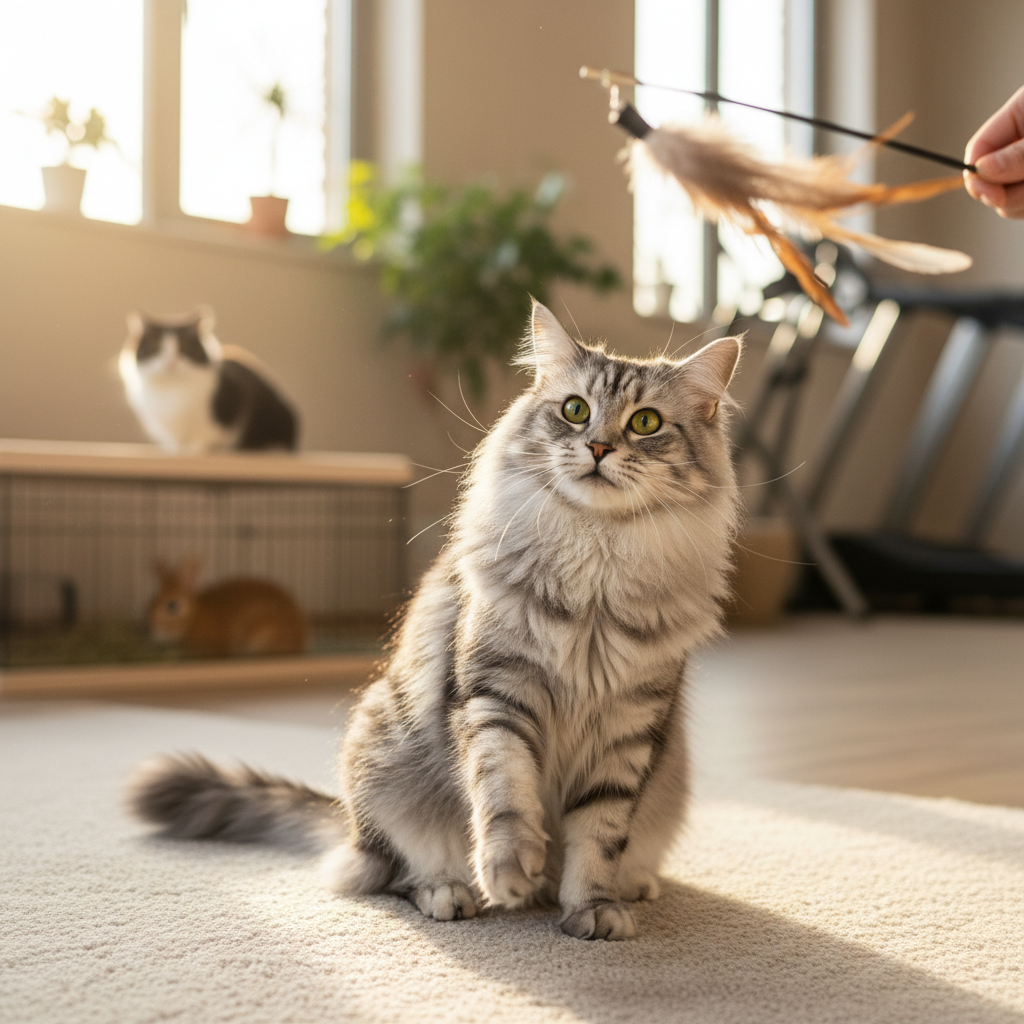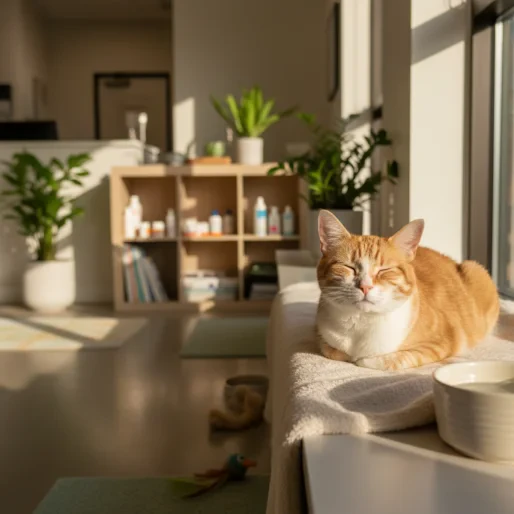
Senior cats across the United States face unique spring health risks shaped by regional climate, high veterinary costs, and seasonal toxin exposures. This checklist covers kidney screening, dental care, weight tracking, mobility, and home safety tailored for American cat owners.
Why Spring Is a Critical Window for Older Cats in the U.S.
Across the continental United States, spring arrives on a staggered schedule. Cat owners in the Southeast may see temperatures climbing past 80°F by late March, while parts of the Upper Midwest and Northeast can still experience freezing nights well into April. This wide climate range means there is no single "spring start date" for senior cat care. Instead, owners should anchor their spring wellness efforts to the local shift from winter conditions to consistently warmer weather, typically when daytime highs regularly exceed 55°F to 60°F.
For cats aged 11 and older (classified as "senior" by the American Association of Feline Practitioners, or AAFP), this seasonal transition brings specific pressures: heavier shedding cycles, increased exposure to open windows and screens, the return of fleas and ticks, and the arrival of toxic spring plants in homes and gardens. The AAFP and the American Veterinary Medical Association (AVMA) both recommend that senior cats receive veterinary wellness examinations at least twice per year. Spring is an ideal time to schedule one of those visits.
Budgeting for the Spring Vet Visit
Veterinary costs in the United States are among the highest globally, and prices vary significantly by region. A comprehensive senior wellness exam, including bloodwork, urinalysis, and a physical assessment, can range from roughly $250 to $600 or more depending on location and clinic type. Urban practices and specialty hospitals tend to charge at the higher end of that range.
Pet insurance can offset a significant portion of diagnostic costs, though coverage for routine wellness screening varies by plan. Many U.S. insurers offer optional "wellness" or "preventive care" riders that reimburse for annual bloodwork and urinalysis. Reviewing policy details before booking the appointment is strongly recommended. For guidance on understanding reimbursement structures, see What US Pet Insurance Actually Pays Out: How to Read Deductibles, Co-Insurance, and Annual Limits Before You Claim.
Kidney Screening: The Most Important Spring Test
Chronic kidney disease (CKD) is one of the leading health concerns for senior cats. The AAFP notes that CKD prevalence rises substantially with age, with estimates suggesting it may affect roughly 30 to 40 percent of cats over age 15. Because kidneys have significant functional reserve, cats often appear healthy until the disease is moderately advanced.
What to request at the vet:
- A full blood chemistry panel measuring blood urea nitrogen (BUN), creatinine, and symmetric dimethylarginine (SDMA). SDMA testing is widely available at major U.S. veterinary reference laboratories such as IDEXX and Antech, and it can detect reduced kidney function earlier than creatinine alone.
- A complete urinalysis, including urine specific gravity and protein levels.
- Blood pressure measurement. Hypertension frequently accompanies CKD and can accelerate kidney damage.
What to monitor at home:
- Track daily water consumption. A noticeable increase may signal kidney disease, diabetes, or hyperthyroidism.
- Monitor litter box output. Larger or more frequent urine clumps suggest increased urination.
- Note changes in appetite, energy level, or coat quality.
In warmer U.S. climates (the Gulf Coast states, the Desert Southwest), dehydration risk compounds kidney stress. Owners in these regions should ensure multiple fresh water sources are available and consider a pet water fountain to encourage adequate hydration as temperatures rise.
Dental Assessment: Uncovering Hidden Pain
The AVMA identifies dental disease as one of the most frequently diagnosed conditions in cats, with prevalence increasing markedly with age. Common problems in senior cats include periodontal disease, tooth resorption, and stomatitis. Cats are skilled at masking oral pain, so owners may not recognize a problem until the disease is advanced.
What the vet will evaluate:
- A visual oral exam checking for redness, swelling, tartar, and gum lesions.
- Dental radiographs if indicated. Tooth resorption often occurs below the gum line and is invisible without imaging.
- Assessment for feline stomatitis, a severe inflammatory condition that may require extractions or immunosuppressive treatment.
Cost note: A full dental cleaning with anesthesia for a senior cat in the U.S. typically ranges from $400 to $1,200 or more, depending on the extent of disease and whether extractions are needed. Some veterinary dental specialists charge higher rates. Pre-anesthetic bloodwork is standard for senior patients and adds to the total cost.
What to watch for at home:
- Drooling, pawing at the mouth, dropping food, or chewing on one side only.
- Reluctance to eat hard kibble when the cat previously ate it without issue.
- Worsening breath odor or blood spots near food bowls or on bedding.
Cats with dental pain often reduce grooming, leading to matting or a dull coat. For supportive grooming strategies, see Zero-Waste Cat Grooming at Home: Reusable Wipes, Compostable Brushes, and What to Do With Shed Fur.
Weight Monitoring: Small Changes, Big Signals
Weight shifts in senior cats are clinically meaningful. A loss of just half a pound (roughly 0.5 lbs) in a 10 lb cat represents a 5 percent change, enough to warrant investigation. Unintentional weight loss is linked to CKD, hyperthyroidism, diabetes, cancer, and inflammatory bowel disease. Weight gain raises the risk of diabetes, hepatic lipidosis, and joint stress.
At the vet:
- Request an accurate scale weight compared against previous records.
- Ask for a body condition score (BCS) on the standard 9-point scale, with 4 to 5 considered ideal.
- Request a muscle condition score, which evaluates muscle wasting over the spine, skull, and hindquarters separately from overall body fat.
At home:
- Weigh the cat monthly using a kitchen or baby scale. Record results in a log, spreadsheet, or phone app.
- Run hands along the ribs: they should be easily felt but not prominently visible.
- Watch for a narrowing waistline (viewed from above) or a newly prominent spine.
- Track daily food intake, including treats and supplements.
As spring temperatures rise, particularly in the South and Southwest where highs can exceed 90°F by late April, some cats eat slightly less. A small decrease is normal, but any sustained reduction in a senior cat's intake warrants a vet call. Spring is also a good time to reassess whether the cat's diet is appropriate; senior-specific formulas often adjust protein, phosphorus, and calorie levels to support aging kidneys and lean muscle.
Mobility Review: More Than "Just Slowing Down"
Degenerative joint disease (arthritis) is extremely common in older cats. Radiographic studies suggest a large majority of cats over age 12 show evidence of joint changes. Unlike dogs, cats rarely limp obviously. Instead, they reduce jumping, change resting spots, or become less active overall.
At the vet:
- Joint palpation of elbows, hips, knees, and spine.
- Gait observation. Many U.S. veterinary practices now encourage owners to bring smartphone video of the cat moving at home.
- Pain scoring using validated tools such as the Feline Musculoskeletal Pain Index (FMPI) or the Feline Grimace Scale.
At home:
- Note reluctance to jump onto furniture or counters the cat previously accessed easily.
- Watch for stiffness after rest, especially during cooler spring mornings common in the Midwest, Northeast, and Pacific Northwest.
- Observe litter box posture. Difficulty squatting can indicate hind-limb joint pain.
- Track sleeping locations. Choosing lower resting spots may mean the cat is avoiding painful jumps.
Indoor cameras can help owners track mobility patterns during the day. For guidance on using video monitoring, see How Indoor Pet Cameras Help You Monitor Behaviour While Away: What Normal Activity Looks Like and What Footage to Share With Your Vet or Sitter.
Spring Home Safety Audit: U.S. Specific Hazards
Toxic Plants
Lilies (all species of the Lilium and Hemerocallis genera) are extremely toxic to cats and can cause fatal kidney failure. The ASPCA Animal Poison Control Center consistently ranks lilies among the top feline toxin exposures reported each spring. Easter lilies, which are widely sold across the U.S. in March and April, are a particular concern. Remove all lilies from the home and yard entirely. Other spring plants of concern include tulip and daffodil bulbs, azaleas, and sago palms (common in Southern and Southwestern landscaping).
Pest Control
As warmer weather returns, many U.S. households begin pest control treatments. Rodenticides and insecticides are serious risks for cats. If professional pest control services are used, always inform the provider that cats live in the home and request pet-safe application methods. Permethrin-based flea and tick products labeled for dogs are highly toxic to cats and must never be used on felines or in shared environments without careful separation.
Windows, Screens, and Balconies
"High-rise syndrome" in cats peaks during warmer months when windows open. This applies not just to high-rise apartments in cities like New York, Chicago, or San Francisco, but also to second-story windows in suburban homes. Verify that all window screens are intact and securely fitted before opening windows for the season.
Flea and Tick Prevention
Spring is when flea and tick activity surges across most of the U.S., with earlier onset in Southern states. The Companion Animal Parasite Council (CAPC) provides regional parasite forecast maps that can help owners understand local risk timing. Ensure any preventive product used is specifically labeled for cats.
Litter Box Access
For senior cats with mobility issues, use low-entry litter boxes. Place at least one box on every floor of the home. Ensure paths to each box are well-lit and free of obstacles.
For a deeper look at spring allergy triggers in cats, see How the Feline Immune System Responds to Seasonal Environmental Change: Allergy Mechanisms, Skin Flares, and Why Spring Triggers Differ From Human Hay Fever.
Emergency Preparedness for Senior Cat Owners
Spring is a practical time to update an emergency kit, particularly relevant for owners in regions prone to spring severe weather (tornado season across the Central U.S., hurricane season starting June 1 along the Gulf and Atlantic coasts, and wildfire risk in Western states as vegetation dries).
Recommended kit contents:
- A printed copy of the cat's medical history, current medications, and dosages.
- A two-week supply of any prescription medications.
- Contact details for the primary veterinarian, the nearest emergency veterinary hospital, and the ASPCA Animal Poison Control Center: 888-426-4435 (a consultation fee typically applies).
- A comfortable, easy-to-clean carrier with low entry for arthritic cats.
- Familiar bedding or a blanket carrying the cat's scent.
- A small supply of the cat's regular food, bottled water, and any prescription diet.
- Copies of vaccination records, microchip details, and proof of rabies vaccination (required by law in most U.S. states).
- A basic first-aid kit with gauze, non-adhesive bandages, saline solution, and blunt-tipped scissors.
ASPCA Animal Poison Control Center
Call the ASPCA Poison Control hotline or contact your nearest emergency veterinary clinic immediately.
A consultation fee may apply. For non-poison emergencies, search "emergency vet near me" or call your local animal ER.
State Rabies Laws: A Spring Reminder
Most U.S. states require cats to have current rabies vaccinations, though specific requirements (frequency, age of first vaccination, exemption policies) vary by state and sometimes by county. Spring is a good time to confirm that rabies vaccinations are up to date, especially since increased outdoor exposure through open windows and doors raises the risk of contact with wildlife. Check with the local veterinarian or state veterinary medical board for current requirements.
When to Seek Emergency Care
While this checklist focuses on prevention, certain spring situations require immediate veterinary attention:
- Any contact with lilies, including pollen on fur, warrants an emergency visit even without symptoms.
- Sudden inability to bear weight on one or more limbs.
- Complete refusal to eat or drink for more than 24 hours.
- Labored breathing or open-mouth breathing.
- Sudden, dramatic increase in water consumption or urination.
- Vomiting or diarrhea persisting beyond 12 hours in a senior cat.
In any emergency, contact the primary veterinarian or nearest emergency animal hospital immediately. For suspected poisoning, the ASPCA Animal Poison Control Center can be reached at 888-426-4435.
For guidance on recognizing when symptoms require emergency care versus calm observation, see The First Emergency With a New Puppy: Recognising When Symptoms Require Immediate Vet Attention vs. Calm Observation at Home, which covers triage principles applicable across species.
Bringing It All Together
Senior cats are masters of subtlety. The changes that matter most, a slight dip in kidney function, a quiet toothache, gradual muscle loss, are exactly the ones they conceal best. A structured spring wellness checklist turns vague worry into clear, actionable steps. By combining twice-yearly veterinary exams with consistent home monitoring and awareness of regional risks, American cat owners give their senior companions the best chance at comfort, early intervention, and lasting quality of life.
Frequently Asked Questions
How much does a senior cat wellness exam cost in the United States? ↓
Are rabies vaccinations required for cats in the U.S.? ↓
Why are Easter lilies so dangerous for senior cats? ↓
When does flea and tick season start for cats in the U.S.? ↓
What weight change in a senior cat should prompt a vet visit? ↓

Tom Ashford
Pet Safety & Home Consultant
Pet safety and home-proofing specialist — systematic hazard prevention and emergency preparedness for pet owners.
Content Disclosure
This article was created using state-of-the-art AI models with human editorial oversight. It is intended for informational and entertainment purposes only and does not constitute veterinary medical advice. Always consult a licensed veterinarian for your pet's specific health needs. Learn more about our process.