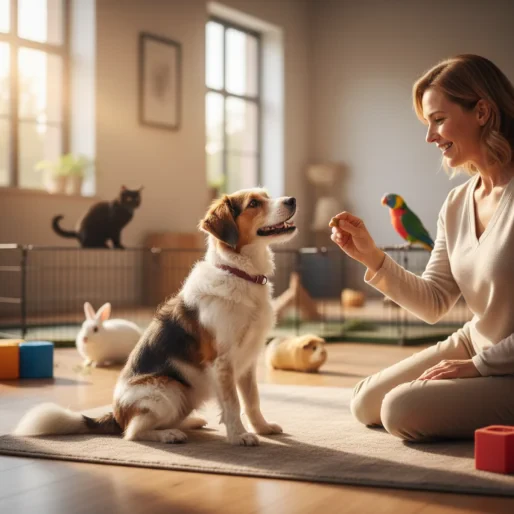
The 3-3-3 rule maps the first three days, three weeks, and three months of a shelter dog's adjustment period. This guide covers decompression spaces, behavioural surprises, and the mistakes first-time adopters commonly make.
Key Takeaways
- The 3-3-3 rule divides canine adjustment into three phases: overwhelm (days 1 to 3), settling (weeks 1 to 3), and trust building (months 1 to 3).
- A quiet decompression space is essential before any socialisation or training begins.
- Spring adoption brings season-specific triggers: increased outdoor allergens, garden toxins, and higher foot traffic in parks.
- Positive reinforcement techniques aligned with LIMA (Least Intrusive, Minimally Aversive) principles produce the most reliable long-term outcomes.
- Professional assessment from a CPDT-KA or IAABC-certified consultant is recommended whenever fear, aggression, or resource guarding persists beyond the three-month mark.
Understanding Why Shelter Dogs Need a Transition Period
A shelter environment exposes dogs to chronic low-level stress: unfamiliar smells, constant barking, irregular routines, and limited personal space. When a dog moves from that setting into a home, the sensory shift is enormous. Professional consensus suggests it takes most dogs roughly three months to feel genuinely settled in a new household. The 3-3-3 framework, widely referenced by rescue organisations such as the ASPCA and Humane Society of the United States, provides adopters with a realistic timeline so they can respond to each phase with patience rather than panic.
Spring adoptions carry a few unique factors. Warmer weather means open windows (novel sounds), blooming gardens (potentially toxic plants and fertilisers), and busier streets. All of these add sensory load to a dog that is already processing a major life change.
Training Prerequisites: Equipment, Environment, and Timing
Essential Equipment
- Front-clip harness or well-fitted flat collar: avoid slip chains, prong collars, or any aversive equipment.
- Long line (3 to 5 metres): useful for safe outdoor exploration during early weeks.
- High-value treats: soft, pea-sized, easily consumed. Variety helps identify what the individual dog finds most motivating.
- Crate or exercise pen: sized so the dog can stand, turn, and lie flat comfortably.
- Non-slip mat or bed: placed inside the decompression zone.
- Puzzle feeders and lick mats: encourage calm, self-directed behaviour.
Setting Up a Decompression Space
The decompression space is the single most important environmental setup for a new shelter dog. Choose a low-traffic room or a partitioned area away from the main household flow. The goal is to give the dog a place where nothing is demanded of them.
- Place the crate or bed in a corner with the opening facing the room so the dog can observe without feeling cornered.
- Add a water bowl and a food-dispensing toy.
- Keep lighting soft and consider covering part of the crate with a light blanket (leaving ventilation) to create a den-like feel.
- Avoid scented diffusers or plug-ins unless recommended by a veterinary behaviourist; some dogs find strong scents aversive.
- During spring, keep windows screened and be mindful of sudden sounds from lawn equipment or neighbourhood activity.
The decompression space is not a punishment zone. The dog should be free to leave and return on their own terms once they begin exploring.
Timing Matters
Professional trainers generally recommend adopting at the start of a period when the adopter has several consecutive days at home: a long weekend or the beginning of a holiday break. This does not mean hovering over the dog. It means being present and calm so the dog can acclimate to the household rhythm.
Phase One: The First Three Days (Overwhelm and Shutdown)
During the first 72 hours, many shelter dogs exhibit one of two broad patterns: shutdown (withdrawn, reluctant to eat, hiding) or hypervigilance (pacing, startling, excessive panting). Both are normal stress responses, not indicators of permanent temperament.
What to Expect
- Reduced appetite or refusal to eat from a bowl.
- House-training lapses, even in dogs previously reported as house-trained.
- Reluctance to walk through doorways, navigate stairs, or approach unfamiliar surfaces.
- Whining, panting, or restlessness at night.
Positive Reinforcement Technique: The "Do Nothing" Protocol
In operant conditioning terms, the first three days focus primarily on classical conditioning: pairing the adopter's presence with safety and good things (food, quiet, warmth) without requiring any behaviour from the dog.
- Sit quietly in the same room as the dog at a comfortable distance. Read a book or work on a laptop.
- Toss a treat toward the dog every few minutes without making eye contact or speaking.
- If the dog approaches, remain still. Allow sniffing. Avoid reaching over the dog's head.
- Keep all interactions brief. Three to five minutes of gentle engagement followed by withdrawal is more productive than prolonged attention.
This approach aligns with LIMA principles: the least intrusive strategy is simply letting the dog set the pace.
Phase Two: The First Three Weeks (Settling and Testing)
Between days 4 and 21, the dog typically begins to relax. Appetite improves, play behaviour may emerge, and the dog starts learning house routines. This is also when adopters commonly see behavioural surprises.
Common Behavioural Surprises
- Barrier frustration: barking or lunging at windows when people or dogs pass. Spring increases foot traffic, making this more likely.
- Resource guarding: growling over food bowls, toys, or resting spots that the dog has now claimed.
- Separation-related distress: vocalising, destructive behaviour, or house soiling when left alone.
- Leash reactivity: pulling, barking, or freezing on walks, often triggered by other dogs, joggers, or cyclists.
- Sound sensitivity: spring thunderstorms, lawnmowers, and garden power tools can startle newly adopted dogs.
Step-by-Step: Building a Reliable Recall Foundation
Recall is a critical safety behaviour, especially heading into spring and summer when off-leash hiking and open water swimming become tempting activities. During weeks one to three, begin indoors only.
- Charge the cue: say the dog's name (or a chosen recall word) and immediately deliver a high-value treat. Repeat 10 to 15 times per session, two sessions per day. No movement from the dog is required yet; this is pure classical conditioning.
- Add a short distance: wait until the dog looks away, say the cue, and reward any movement toward the adopter. This is shaping: reinforcing successive approximations of the desired behaviour.
- Increase criteria gradually: move to a hallway, then a fenced garden. Only add distractions when the dog responds reliably at the current level.
- Never use the recall cue for anything the dog finds unpleasant (bath time, nail trims, crating). Protect the positive association.
Introducing Routine Without Rigidity
Consistent meal times, walk times, and rest times help the dog predict what comes next, reducing anxiety. However, professional trainers caution against extreme rigidity, as dogs who learn to expect walks at exactly 7:00 a.m. may develop frustration if that schedule shifts. Varying the routine by 15 to 30 minutes builds flexibility.
Phase Three: The First Three Months (Trust and True Personality)
Around the two to three month mark, adopters often say, "It is like we have a completely different dog." The dog's genuine temperament, energy level, and social preferences become visible once the stress hormones (primarily cortisol) return to baseline levels. Research in applied animal behaviour science suggests that cortisol levels in shelter dogs can remain elevated for weeks after adoption before gradually normalising.
What Emerges
- Play style preferences: chase, tug, wrestling, or independent toy play.
- Social thresholds: some dogs warm up to visitors; others consistently prefer a smaller social circle.
- Energy plateaus: the dog's true exercise needs become clear, which is valuable information before investing in activities like spring hiking.
- Coat condition may change as nutrition stabilises and stress decreases. Spring shedding can be heavy; appropriate deshedding tools help manage this transition.
Advancing Training: Desensitisation and Counter-Conditioning
If fear-based behaviours (leash reactivity, sound phobia, stranger avoidance) persist into months two and three, a structured desensitisation and counter-conditioning (DS/CC) programme is the gold-standard approach endorsed by the IAABC.
- Identify the trigger: the specific stimulus (other dogs at 10 metres, the sound of a lawnmower, a person wearing a hat).
- Find the threshold: the distance or intensity at which the dog notices the trigger but can still take a treat and respond to a cue. This is the starting line.
- Pair trigger with reward: trigger appears at sub-threshold intensity, and the dog receives continuous high-value treats. Trigger disappears, treats stop. The dog learns: trigger predicts wonderful things.
- Decrease distance or increase intensity in small increments: only when the dog shows relaxed body language (soft eyes, loose body, willingness to eat) at the current level.
- End sessions before the dog reaches threshold: three to five minutes of successful sub-threshold work is far more productive than one flooding episode.
This process can take weeks or months. Patience is non-negotiable.
Common Mistakes First-Time Adopters Make
- Too much, too soon: hosting visitors, visiting dog parks, or enrolling in group classes in the first week. Overstimulation during the overwhelm phase can set back trust-building significantly.
- Misreading shutdown as "good behaviour": a dog that lies motionless and makes no demands is often deeply stressed, not calm. Look for soft body language, voluntary engagement, and willingness to eat as better indicators of comfort.
- Correcting house-training accidents: scolding a dog for indoor elimination during the adjustment period damages trust and does not teach the desired behaviour. Instead, increase the frequency of outdoor trips and reinforce elimination outside with treats and calm praise.
- Skipping veterinary assessment: a post-adoption veterinary check within the first week identifies pain, dental disease, or infections that can drive behavioural issues. Behaviour cannot be addressed effectively when a medical cause is overlooked.
- Comparing to a previous dog: every dog's adjustment timeline is individual. Breed, age, shelter duration, and prior experiences all influence the pace.
- Neglecting enrichment: puzzle feeders, sniff walks, and scatter feeding engage the dog's brain and reduce boredom-related behaviours. In spring, scent work in the garden is an excellent low-pressure enrichment option.
- Using aversive tools to "fix" behaviour quickly: shock collars, citronella sprays, and leash corrections suppress behaviour without addressing the underlying emotional state. The CPDT-KA code of ethics and LIMA hierarchy explicitly advise against these methods.
Troubleshooting Slow Progress
Not every dog follows the 3-3-3 timeline neatly. Dogs with longer shelter stays, multiple rehomings, or trauma histories may need six months or more. Signs that progress is slower than expected include:
- Persistent refusal to eat meals after the first week.
- Escalating reactivity rather than gradual improvement.
- Guarding behaviour that intensifies over time.
- Self-injurious behaviour (excessive licking, tail chasing, flank sucking).
If any of these patterns appear, a veterinary behaviourist or IAABC-certified behaviour consultant should be contacted. Medication (prescribed by a veterinarian) combined with a behaviour modification plan often produces the best outcomes for dogs with clinical anxiety or fear.
Spring-Specific Considerations
Adopters bringing a new dog home in spring should also account for:
- Seasonal allergens: pollen, grass seeds, and mould spores can cause itching and discomfort, which may be mistaken for stress-related scratching.
- Garden hazards: cocoa mulch, slug pellets, fertilisers, and toxic spring plants are common in gardens during this season.
- Longer daylight hours: beneficial for training, as more sessions can happen in natural light, but also means more neighbourhood activity that can trigger reactive dogs.
- Travel season: if summer travel is planned, consider boarding facility requirements and airline cargo policies early in the adoption process.
When to Bring in a Professional Trainer
Adopters should seek professional help if:
- The dog shows aggression (growling, snapping, biting) that does not decrease with avoidance of known triggers.
- Separation-related distress causes property damage or self-injury.
- The dog is unable to settle in the home after four or more weeks.
- The adopter feels overwhelmed or unsafe.
Look for credentials such as CPDT-KA, CPDT-KSA, IAABC-certified, or a veterinary behaviourist (Diplomate ACVB or equivalent). Ask specifically about the trainer's methods: any professional aligned with LIMA principles will be transparent about avoiding aversive techniques.
Adopting a shelter dog in spring is a rewarding decision. The 3-3-3 framework provides a realistic, science-informed map of what the journey looks like, but it is just that: a map, not a rigid schedule. Every dog writes their own timeline. The adopter's role is to provide safety, consistency, and patience while that timeline unfolds.
Frequently Asked Questions
What is the 3-3-3 rule for shelter dog adoption? ↓
How do you set up a decompression space for a newly adopted dog? ↓
Why does a shelter dog seem perfectly calm for the first few days and then start misbehaving? ↓
When should an adopter contact a professional trainer or behaviourist? ↓
Are there special considerations for adopting a shelter dog in spring? ↓

Mark Sullivan
Certified Professional Dog Trainer
Certified professional dog trainer — positive-reinforcement methods for every breed and behavioural challenge.
Content Disclosure
This article was created using state-of-the-art AI models with human editorial oversight. It is intended for informational and entertainment purposes only and does not constitute veterinary medical advice. Always consult a licensed veterinarian for your pet's specific health needs. Learn more about our process.