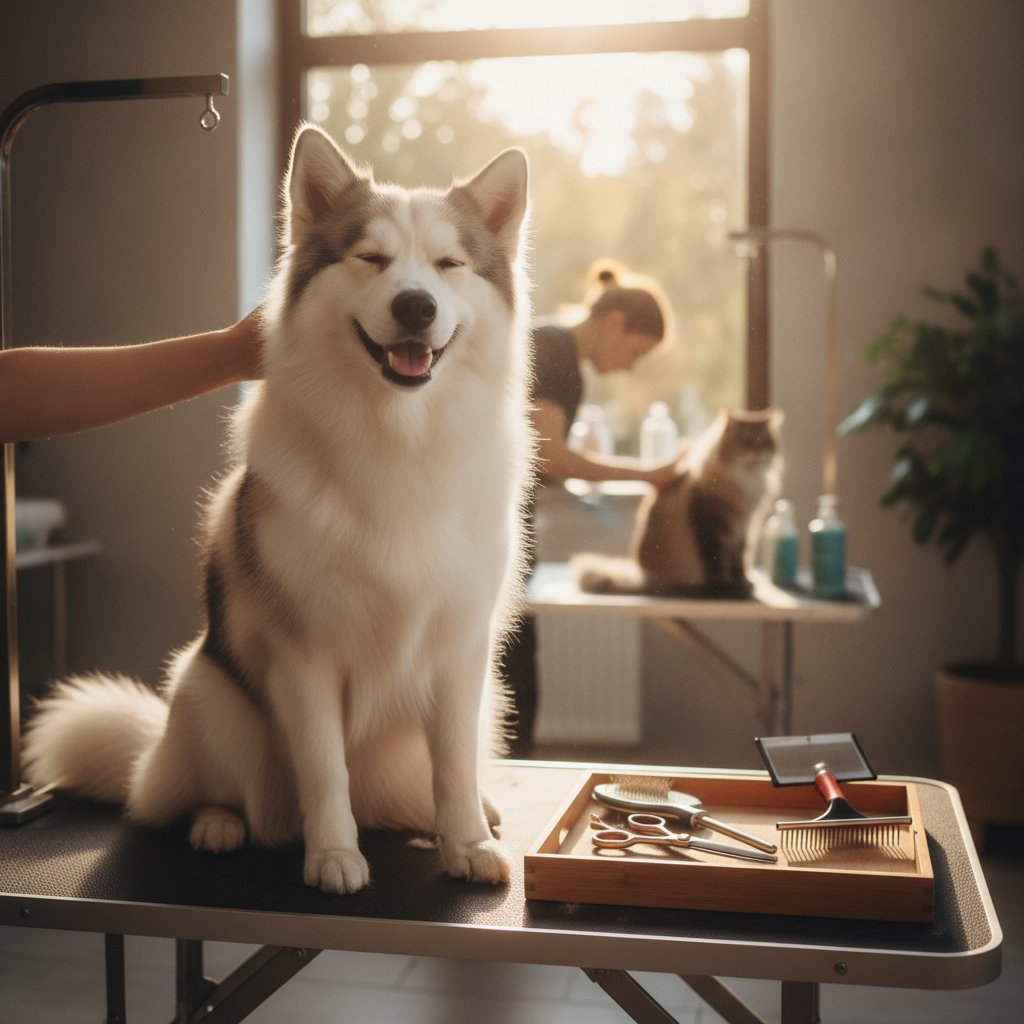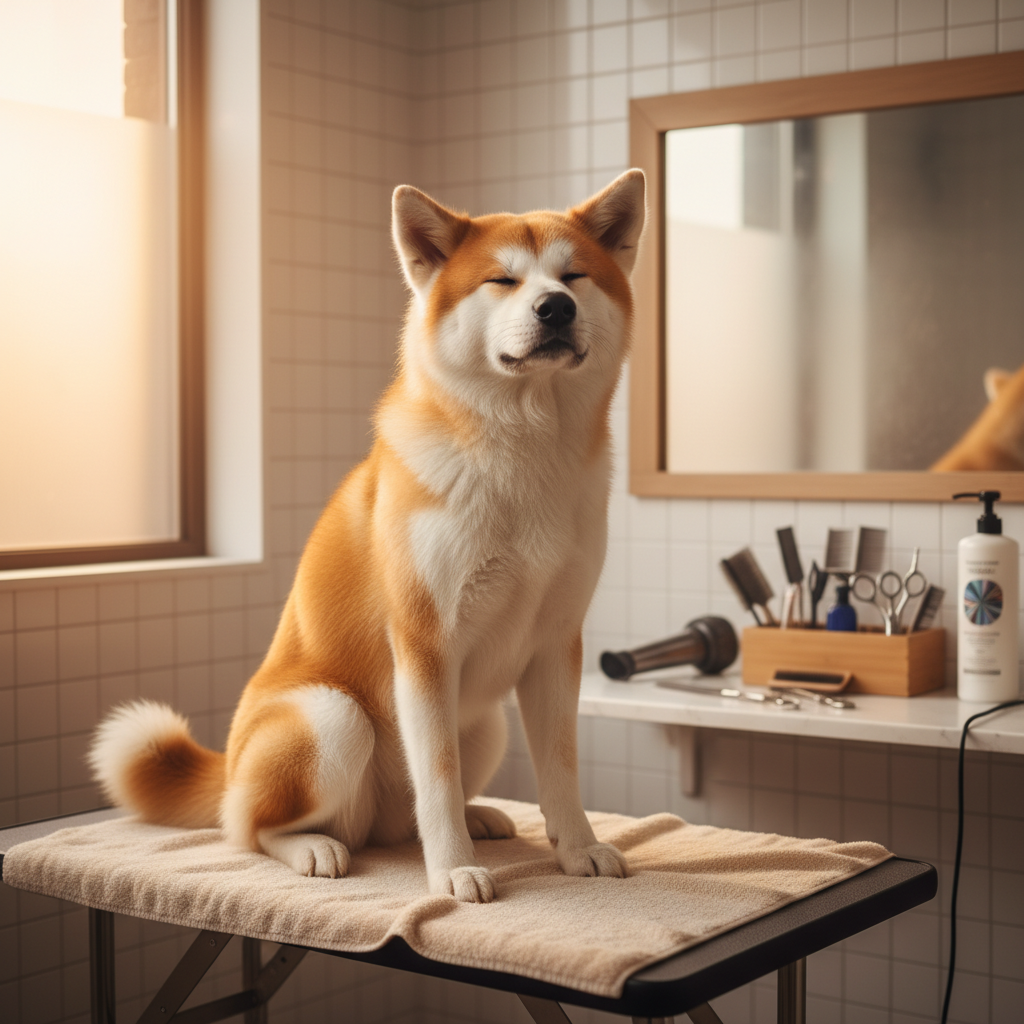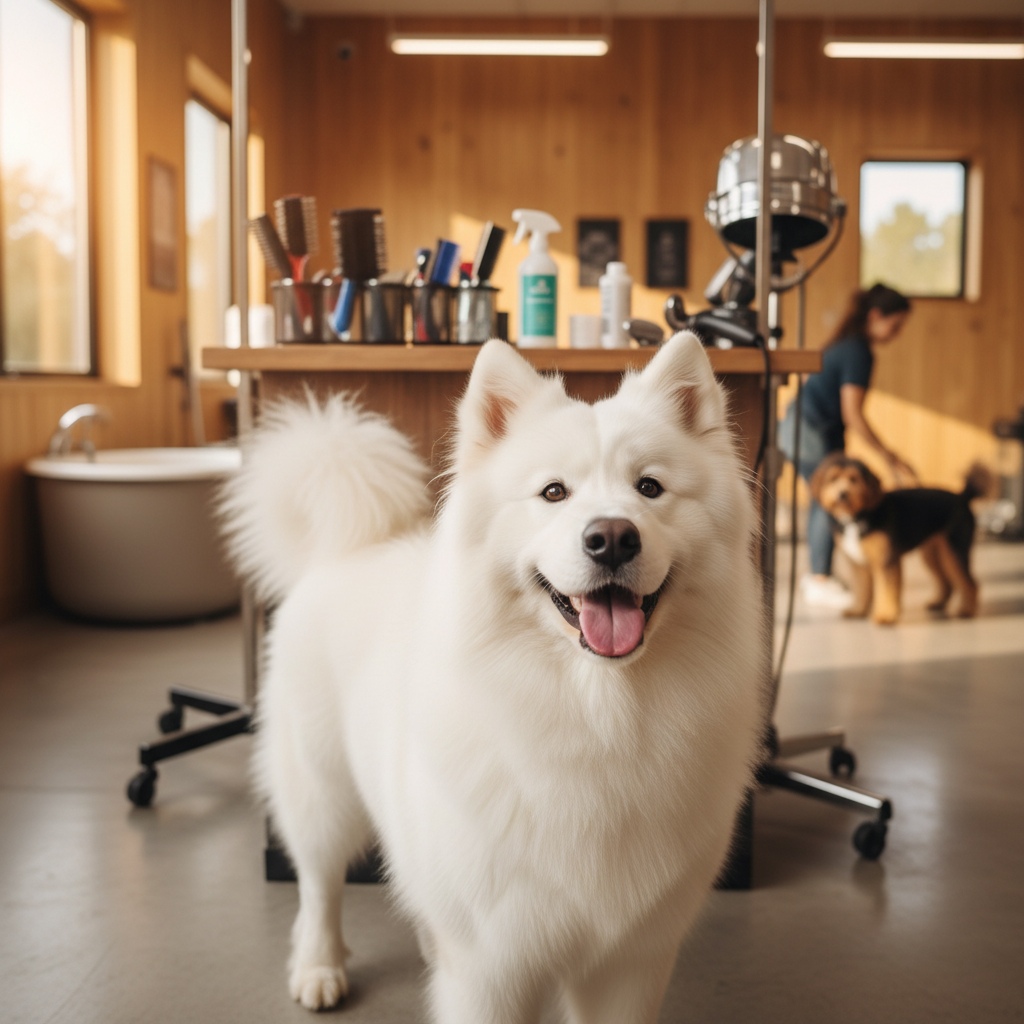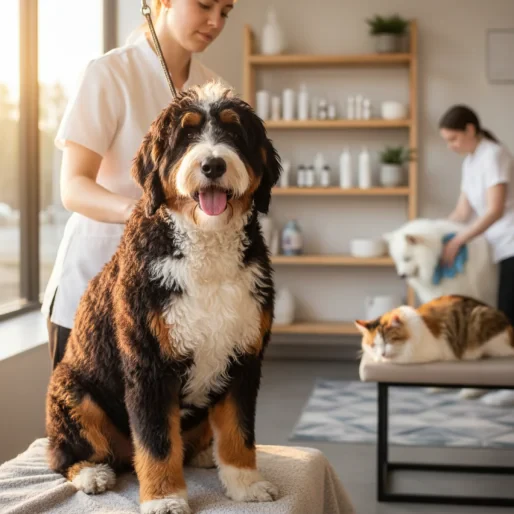
Shaving a double-coated dog removes its natural insulation against heat and cold, risking permanent coat damage and sunburn. Learn safer, vet-backed cooling strategies tailored to every U.S. climate zone.
Key Takeaways
- A double coat insulates against both heat and cold. Shaving destroys this natural thermoregulation system.
- Shaved double coats often regrow incorrectly, a condition veterinary dermatologists call "post-clipping alopecia."
- Shaving exposes pale, thin skin to UV radiation, raising the risk of sunburn and squamous cell carcinoma.
- Safer alternatives include regular deshedding, shade, cooling mats, and adjusted exercise schedules.
- U.S. summers bring region-specific dangers: extreme humidity in the Southeast, triple-digit dry heat in the Southwest, and wildfire smoke in the West.
Understanding the Double Coat
Many of the most popular breeds in the United States carry a double coat: Golden Retrievers, Labrador Retrievers, Siberian Huskies, German Shepherds, Australian Shepherds, Samoyeds, Great Pyrenees, Bernese Mountain Dogs, and Pomeranians, among others. According to the American Kennel Club (AKC), several of these rank in the top 10 most registered breeds year after year.
A double coat has two layers. The undercoat is dense, soft, and sits close to the skin. It traps a thin layer of air that acts as insulation, keeping body heat in during winter and buffering external heat in summer. The topcoat (guard hairs) is longer and coarser. It repels water, blocks UV rays, and shields the skin from insects, thorns, and debris.
Together, these layers function like home insulation: the same material that keeps a house warm in a Minnesota January keeps it cool in an Arizona July. Removing that insulation forces the body to work harder in both directions.
How Dogs Actually Cool Down
A common misconception is that dogs cool off by sweating through their skin, the way humans do. In reality, dogs have very few sweat glands, limited mostly to the paw pads. Their primary cooling mechanisms are:
- Panting: Evaporative cooling through the mouth and respiratory tract accounts for the majority of heat dissipation.
- Vasodilation: Blood vessels near the skin surface widen, releasing heat through areas with thinner fur such as the ears and belly.
- Conduction: Lying on cool tile, concrete, or a cooling mat transfers heat directly from the body to the surface.
The double coat supports all three mechanisms by preventing ambient heat from loading onto the skin. When temperatures climb above 90°F (common across much of the U.S. from June through September), that insulating air layer becomes critically important. Shaving it away allows external heat to reach the skin directly, potentially raising the dog's core temperature rather than lowering it.
What Goes Wrong After Shaving
Disrupted Coat Regrowth
The undercoat and topcoat grow at different rates and follow independent growth cycles. When both are shaved to the same length, the faster-growing undercoat often dominates the regrowth. The result is a coat that may be patchy, woolly, or "cottony" in texture, less water-repellent, and significantly more prone to matting.
Post-Clipping Alopecia
Veterinary dermatologists recognize a condition called post-clipping alopecia, where hair fails to regrow normally after shaving. It is observed most frequently in Nordic breeds (Huskies, Malamutes, Samoyeds) but can affect any double-coated dog. The condition may persist for months or, in some documented cases, years. The American College of Veterinary Dermatology (ACVD) lists this among coat cycle abnormalities that may require specialist evaluation.
Sunburn and Skin Cancer Risk
Without guard hairs blocking UV radiation, the pale skin beneath a double coat is fully exposed. In the U.S., the UV Index regularly exceeds 8 ("very high") across southern states from May through September, and even northern states see elevated levels in midsummer.
Canine sunburn (solar dermatitis) presents as reddened, inflamed skin that may blister. Chronic UV exposure can progress to actinic keratosis and, eventually, squamous cell carcinoma. The American Veterinary Medical Association (AVMA) recognizes UV exposure as a contributing factor in certain canine skin cancers. The nose, ear tips, and dorsal trunk are especially vulnerable areas on a shaved dog.
U.S. Climate Zones: Region-Specific Risks
The United States spans nearly every climate type, and each brings distinct challenges for double-coated dogs.
Southeast and Gulf Coast (High Humidity)
States like Florida, Georgia, Louisiana, and Texas combine high temperatures with extreme humidity, often 80% or above. Humidity reduces the effectiveness of panting because moisture-laden air slows evaporation. A shaved dog in Houston or Miami loses its insulating barrier while also facing impaired evaporative cooling, a dangerous combination. Keeping the coat intact and well-brushed, while providing air-conditioned rest spaces, is essential.
Southwest and Desert States (Extreme Dry Heat)
Arizona, Nevada, and parts of Southern California routinely see temperatures above 110°F. Direct sun on exposed or shaved skin can cause burns in minutes. The intact double coat reflects solar radiation and maintains the insulating air layer. Dogs in these areas should avoid outdoor exposure during peak hours (typically 10 a.m. to 4 p.m.) and always have access to shade and water.
Pacific Northwest and Northern Rockies (Wildfire Smoke)
Wildfire season, which now extends from late spring through fall across much of the western U.S., introduces airborne particulates that can irritate exposed skin and respiratory passages. A full coat provides a physical barrier against ash and particulate matter settling directly on the skin.
Midwest and Northeast (Seasonal Extremes)
Dogs in states like Michigan, Wisconsin, New York, and Maine face both hot, humid summers and bitter winters. A dog shaved in June may not regrow adequate coat protection by October, leaving it vulnerable to cold-weather risks as well.
Common Myths, Corrected
"Shaving helps my dog stay cooler." Veterinary consensus, including AVMA guidance, does not support shaving as a cooling strategy for double-coated breeds. The coat insulates against external heat; removing it increases thermal loading on the skin.
"The coat will grow back the same." It often does not. The risk of permanent texture change or post-clipping alopecia is well documented. There is no reliable way to predict which individual dogs will recover fully.
"Shaving reduces shedding." The hair growth cycle continues regardless of length. Shorter shed hairs are actually harder to remove from upholstery and carpet because they embed more deeply into fibers.
"My dog seemed relieved after shaving." That relief typically results from removing matted, dead undercoat, not from the shave itself. Proper deshedding achieves the same comfort without risk.
Safer Alternatives That Actually Work
1. Regular Deshedding
Removing dead undercoat is the single most effective grooming intervention. During peak shedding (typically April through June across most U.S. regions), daily brushing sessions with an undercoat rake or deshedding tool may be necessary. Professional grooming every 6 to 8 weeks, typically $50 to $120 depending on breed size and region, helps maintain the coat's natural airflow.
2. Constant Access to Water and Shade
Dehydration accelerates overheating. Fresh, cool water should be available at all times. For outdoor dogs, shade structures or canopy covers are critical. In the hottest U.S. regions, outdoor water bowls should be refreshed frequently, as standing water can reach unsafe temperatures within hours.
3. Cooling Mats and Elevated Beds
Gel-based cooling mats and elevated mesh cot-style beds promote heat dissipation through conduction and airflow. These products are widely available at major U.S. pet retailers and typically range from $20 to $60.
4. Adjust Exercise Timing
The AVMA recommends limiting strenuous activity during peak heat hours. In much of the southern U.S., safe outdoor exercise windows may be restricted to before 8 a.m. and after 7 p.m. during summer. Pavement temperature should also be checked: if the asphalt is too hot for a human hand held flat for 7 seconds, it is too hot for paw pads.
5. Swimming (With Proper Drying)
Swimming is excellent low-impact exercise for many double-coated breeds. However, the coat must be thoroughly dried afterward. Moisture trapped against the skin in a dense undercoat can lead to bacterial or fungal infections, often called "hot spots." A high-velocity dryer, available at many U.S. self-service dog wash stations, is effective for this purpose.
6. Cool (Not Cold) Damp Towels
Placing a cool, damp towel on the belly and inner thighs, where blood vessels run close to the surface, provides short-term evaporative cooling. Avoid ice water, which can constrict peripheral blood vessels and paradoxically trap heat in the body's core.
7. Professional Summer Trim (Not a Shave)
An experienced groomer can tidy feathering on the legs, belly, and tail and trim fur around the paw pads without cutting into the undercoat. When booking, use specific language: "deshed and trim only, no clipping to the skin." This avoids miscommunication that could result in an unintended full shave.
When to Contact a Veterinarian
Certain situations require professional evaluation:
- Signs of heatstroke: Excessive panting, thick drooling, lethargy, vomiting, staggering, or collapse. This is a medical emergency. Contact your veterinarian or nearest emergency animal hospital immediately.
ASPCA Animal Poison Control Center
Call the ASPCA Poison Control hotline or contact your nearest emergency veterinary clinic immediately.
A consultation fee may apply. For non-poison emergencies, search "emergency vet near me" or call your local animal ER.
- Persistent skin redness or lesions after sun exposure: These may indicate solar dermatitis or early skin cancer requiring biopsy and treatment.
- Coat that has not regrown months after shaving: A board-certified veterinary dermatologist (searchable through the ACVD directory) can evaluate for post-clipping alopecia and rule out endocrine conditions such as hypothyroidism or Cushing's disease.
- Severe matting that cannot be resolved with brushing: In extreme cases, partial clipping under professional supervision may be the most humane option, but this should be a last resort.
Helpful questions for your vet visit include: "Could an underlying health condition be affecting coat quality?" and "What grooming protocol do you recommend for this breed in our climate?"
Breeds Most Commonly Affected in the U.S.
While the guidance above applies to all double-coated breeds, the following are among the most frequently shaved (and most at risk for complications) in the United States:
- Golden Retriever and Labrador Retriever
- Siberian Husky and Alaskan Malamute
- German Shepherd
- Australian Shepherd
- Samoyed
- Great Pyrenees and Bernese Mountain Dog
- Pomeranian and Keeshond
- Shetland Sheepdog and Rough Collie
- Chow Chow
- Newfoundland
Single-coated breeds (Poodles, Maltese, Yorkshire Terriers, Bichons) have a different hair structure and can be clipped without the same risks. If uncertain about a dog's coat type, a professional groomer or veterinarian can confirm.
A Note on Groomer Communication and Pet Insurance
Clear communication with groomers is essential. Specifying "deshed and trim only" prevents well-meaning but damaging full shaves. Pet owners who use daycare, boarding, or pet-sitting services should include grooming instructions in their care notes.
For owners concerned about the cost of veterinary dermatology consultations or emergency heat-related visits (which can range from $200 to $1,500 or more at U.S. emergency clinics), pet insurance may offset some expenses. The North American Pet Health Insurance Association (NAPHIA) reports steady growth in U.S. pet insurance enrollment, and many plans cover dermatology referrals and emergency care.
Frequently Asked Questions
Why is shaving a double-coated dog dangerous in hot U.S. climates? ↓
Will my dog's double coat grow back after shaving? ↓
What is the safest way to keep a double-coated dog cool in summer? ↓
How much does professional deshedding grooming cost in the U.S.? ↓
When should I take my dog to the vet for coat or heat-related concerns? ↓

Dr. James Harrington
Veterinarian & Pet Health Writer
Veterinarian and health writer — translating complex medical topics into clear, actionable guidance for pet owners.
Content Disclosure
This article was created using state-of-the-art AI models with human editorial oversight. It is intended for informational and entertainment purposes only and does not constitute veterinary medical advice. Always consult a licensed veterinarian for your pet's specific health needs. Learn more about our process.