When wet winters across Aotearoa cut short walks and backyard play, structured indoor conditioning keeps Kiwi dogs strong and settled. Here is a safe, six-week plan tailored to New Zealand homes and climate.
Key Takeaways
- Indoor conditioning suits Kiwi winters. Short, structured drills maintain strength, balance, and cardio fitness when wet weather from June to August keeps dogs inside.
- Warm cold joints first. A few minutes of gentle movement before any game reduces strain, especially for senior dogs and arthritic breeds during damp New Zealand mornings.
- High-value rewards drive engagement. Brief positive-reinforcement games burn mental and physical energy faster than aimless play.
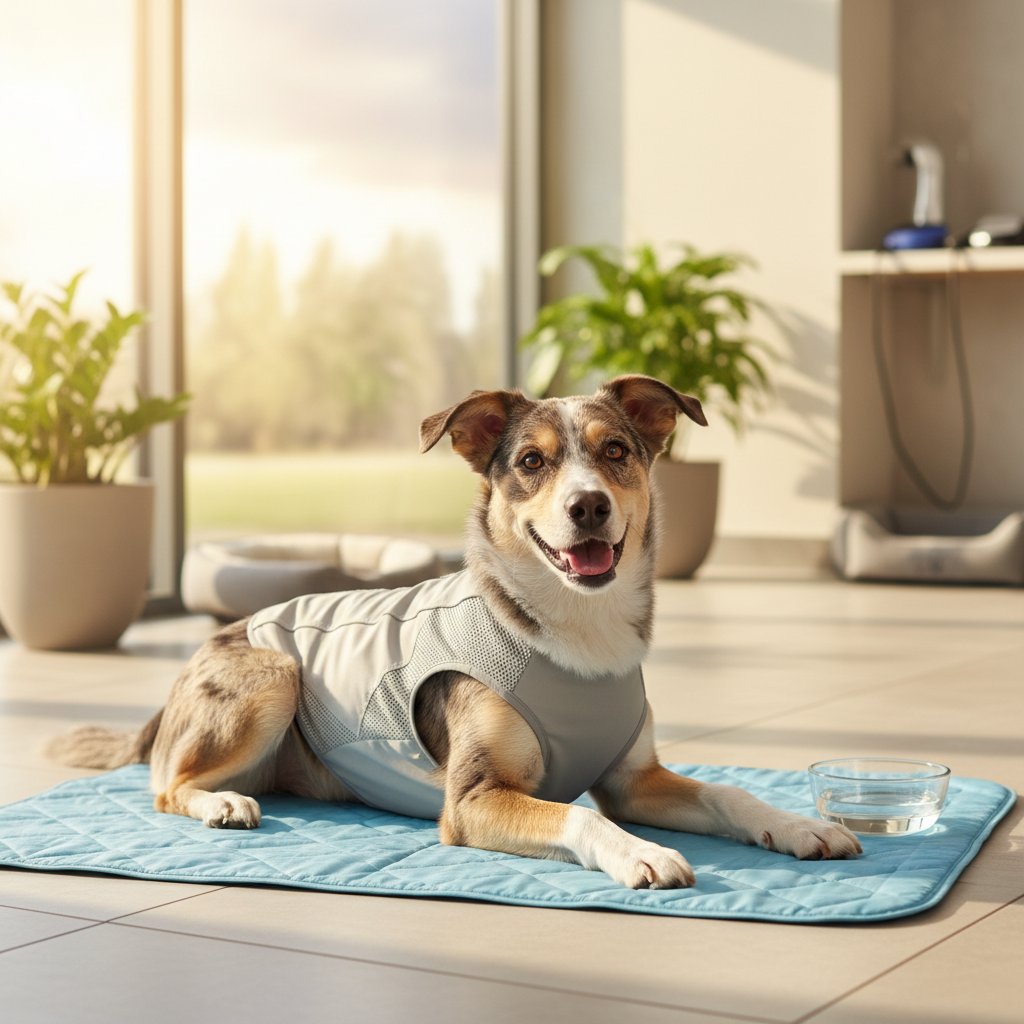
- Surfaces matter. Slippery floors cause injuries; non-slip mats make indoor work safe.
- Mind the rules. The Dog Control Act 1996, council registration, and microchipping all stay relevant even when walks are scarce.
- Know your limits. Pain, persistent stiffness, or sudden behaviour changes warrant a veterinary or qualified trainer assessment.
Why Winter Changes Your Dog's Behaviour in Aotearoa
New Zealand's maritime climate makes winter less about deep cold and more about relentless damp. Wellington southerlies, Auckland's grey drizzle, and Southland frosts all interrupt the daily walks and section play that normally regulate a dog's energy and mood. Owners commonly report restlessness, destructive chewing, excessive barking, and weight gain through the wettest months. These are not signs of a bad dog: they are predictable responses to a sudden drop in physical and mental stimulation.
Cold also affects the body directly. Muscles and connective tissue are less pliable at lower temperatures, and joints, particularly in senior dogs and breeds prone to arthritis, can feel stiff first thing on a frosty morning. A dog that bursts off a cold couch into a sprint across a slick floor is a candidate for a soft-tissue strain. Reframing winter fitness as deliberate and structured, rather than a frantic attempt to tire the dog out, protects both joints and household sanity.
There is also a behavioural feedback loop. Under-stimulated dogs often become more reactive to household triggers, and frustrated owners may unintentionally reinforce attention-seeking behaviours. Replacing that cycle with short, predictable bouts of indoor activity gives the dog an outlet and gives you a calmer companion through the long evenings.
Local Rules That Still Apply in Winter
Wet weather does not pause your obligations as an owner. Under the Dog Control Act 1996, all dogs over three months must be registered with your territorial authority and microchipped (working farm dogs are the main exception to the chipping rule). Winter is a sensible time to confirm your microchip details are current on the New Zealand Companion Animal Register, since fewer walks mean fewer chances to notice a faded or missing collar tag.
New Zealand also places strong emphasis on protecting native wildlife. Even brief winter outings near reserves, wetlands, or kiwi habitat may fall under dog access restrictions or controlled-dog area bylaws set by the Department of Conservation or your council. If your usual off-lead spot is a conservation zone, indoor conditioning becomes a genuinely useful substitute on days when responsible access is limited.
Training Prerequisites: Equipment, Environment, and Timing
Equipment You Actually Need
Indoor conditioning does not require a home gym. A few inexpensive items, available at most New Zealand pet retailers or hardware stores, cover the basics:
- Non-slip mats or rugs to create a safe working surface over tile or polished native timber floors.
- A treat pouch and high-value rewards cut into pea-sized pieces, or part of the daily food allowance.
- A few household props: a low sturdy step or cushion, a broom handle or low pole, and a couple of cones or water bottles to weave around.
- An optional balance item such as a firmly folded blanket or a purpose-made wobble cushion for proprioception work.
Avoid improvising with anything that can slip, tip, or collapse under weight. Stability is the priority for every prop a dog stands on. Budget for the basics is modest, often under $50 NZD if you repurpose items you already own.
Setting Up the Environment
Choose a room with enough space for your dog to turn around comfortably, free of sharp furniture corners and clutter. A garage or sleepout can work well in winter if it is dry and draught-free, though many older Kiwi homes run cold, so check the temperature suits an older or short-coated dog. Lay your non-slip surface down, then build success in a low-distraction area before adding mild distractions as skills become reliable.
Timing and Session Length
Short and frequent beats long and exhausting. Two or three sessions of five to ten minutes spread across the day suit most dogs better than one marathon. Allow at least an hour after meals before vigorous games to reduce the risk of digestive upset, and pick times when your dog is naturally alert rather than deeply asleep by the heat pump.
Warm-Up Routines for Stiff Joints in the Cold
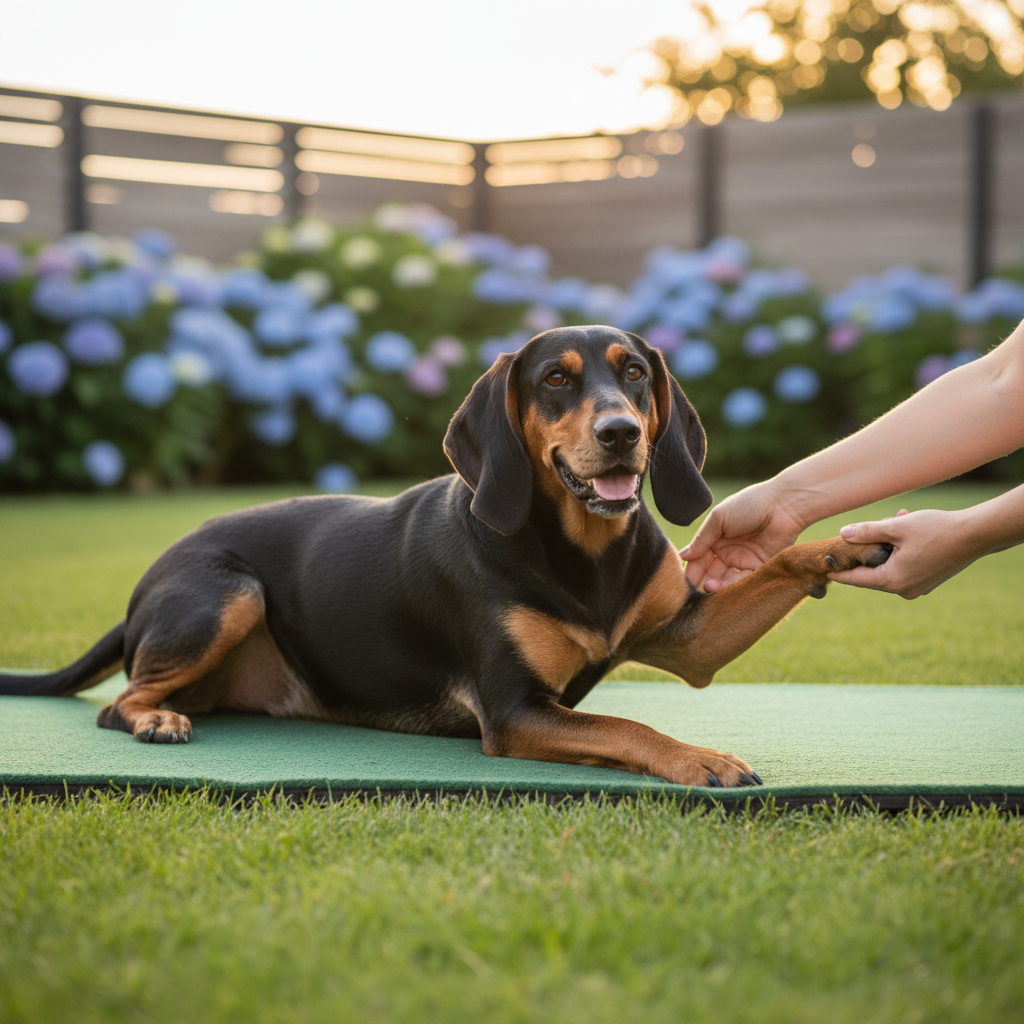
A warm-up raises tissue temperature, increases blood flow, and primes the nervous system for movement. Veterinary physiotherapy guidance consistently recommends a gentle warm-up before conditioning, and it matters even more on a cold, damp morning. Spend three to five minutes here before any game.
A Simple Indoor Warm-Up Sequence
- Loose lead walking on the spot: one to two minutes of relaxed walking back and forth across the room to get the blood moving.
- Gentle sit-to-stand repetitions: five to eight slow repetitions, luring the dog from a sit into a stand and back to activate the hindquarters without impact.
- Nose-led neck and spine bends: use a treat to lure the head gently toward each shoulder and then between the front legs, encouraging a slow stretch the dog controls itself. Never force a stretch.
- Slow weaving: walk the dog at a relaxed pace around two or three cones to mobilise the spine.
With a fearful rescue dog, the first warm-up session often looks like little more than taking treats while standing still, and that is a perfectly good starting point. For senior or arthritic dogs, keep every movement slow and controlled, and stop at the first sign of reluctance.
Indoor Conditioning Drills
Conditioning targets strength, balance, and body awareness. These drills suit healthy adult dogs. Clear new exercises with your veterinarian if your dog is recovering from injury, very young, very old, or has a known joint condition such as hip or elbow dysplasia, which is worth noting in popular New Zealand breeds like the Huntaway, German Shepherd, and Labrador.
Sit-to-Stand Strengthening
Once warmed up, build the sit-to-stand into a deliberate strength drill of two short sets of five to eight slow repetitions. Reward the controlled movement, not speed. This works the same muscle groups a dog uses to push uphill, which is valuable when winter limits real hills and farm tracks.
Balance and Proprioception
Ask your dog to place its front feet on a low, stable cushion and hold for a few seconds, then step off. Progress to standing with all four feet on a firmly folded blanket. These tasks recruit the small stabilising muscles and sharpen body awareness, which helps prevent slips year round.
Controlled Cavaletti Walking
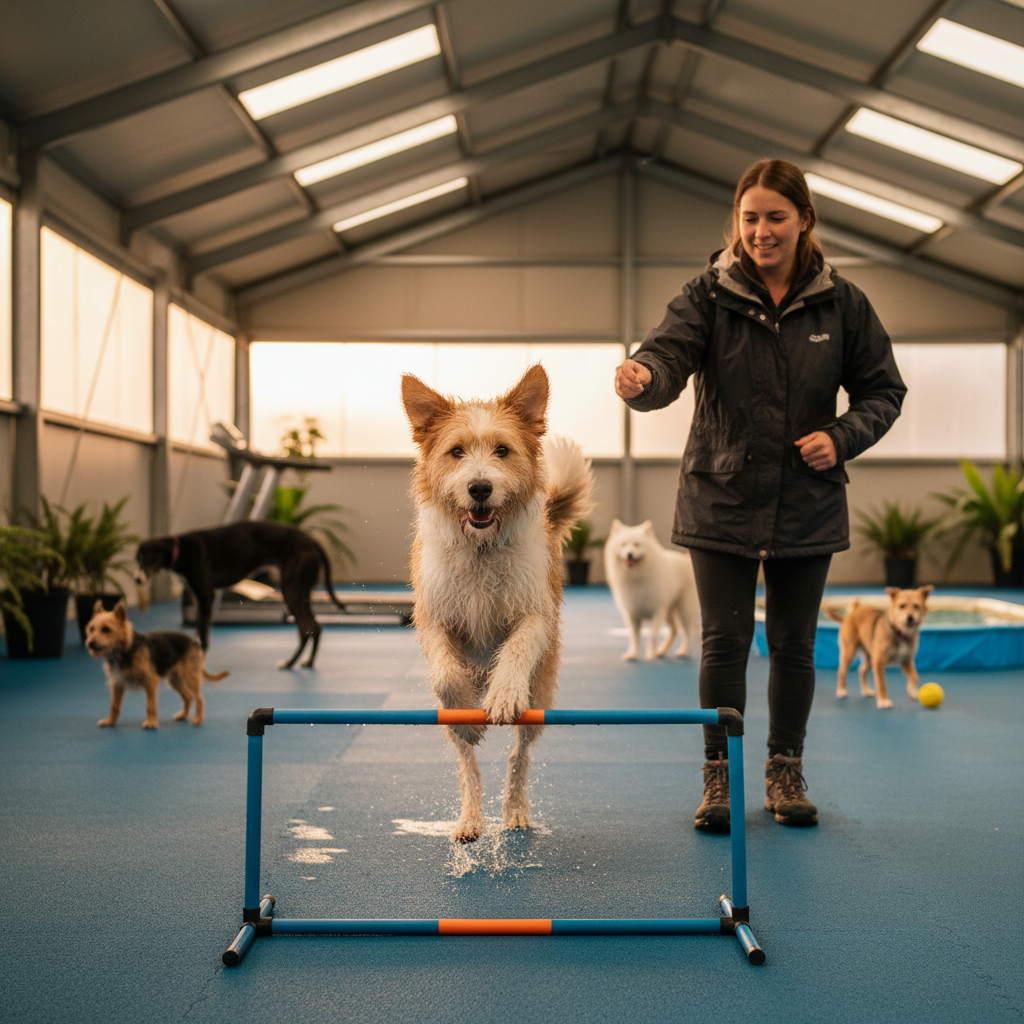
Lay a broom handle or low pole flat, or raise it slightly on books, and lure your dog to step slowly over it. Walking over low obstacles encourages deliberate limb placement and improves coordination. Keep the pace slow: this is a precision exercise, not a jump.
Backing Up and Side-Stepping
Teaching a dog to step backwards or sideways on cue builds hindlimb awareness that many dogs lack. Lure slowly and reward small efforts. These are advanced coordination skills, so shape them in tiny increments.
Short High-Value Training Games to Burn Energy Indoors
Mental work is genuinely tiring. Scent and problem-solving games can take the edge off a high-energy dog faster than physical exercise alone, which is ideal when an evening southerly rules out the park.
Find It Scent Games
Scatter a few treats on a towel or hide them around the room and cue find it. Sniffing is naturally calming and mentally demanding. Increase difficulty by hiding rewards in cardboard boxes or under cups for a foraging puzzle.
Shaping a New Trick
Use shaping, rewarding successive approximations toward a goal, to teach something fresh such as a chin rest, a spin, or targeting a hand or object. Shaping makes the dog think, and that problem-solving burns energy. Keep your reward rate high and your sessions short so the dog ends wanting more.
Structured Tug With Rules
Contrary to old myths, tug played with clear start and stop cues is excellent indoor exercise and builds impulse control. Teach a reliable drop first, reward it generously, and keep bouts brief. Play on a non-slip surface to protect joints.
The Hallway Recall
If you have a safe, carpeted hallway, two people can take turns calling the dog back and forth, rewarding each recall. This adds short cardio bursts and strengthens recall at the same time. Keep the surface grippy and avoid hard turns at speed. A solid recall also supports responsible ownership near wildlife once outdoor walks resume.
Throughout these games, work within the principles of LIMA (Least Intrusive, Minimally Aversive) and rely on positive reinforcement. There is never a need for verbal corrections, lead pops, or intimidation to build fitness or focus.
Safe Surfaces to Avoid Slips
Slips are one of the most common indoor injury risks, and hard winter floors make them worse. A dog that loses traction can twist a joint or strain a muscle in an instant.
- Cover slick floors. Lay rubber-backed mats, yoga mats, or rugs over tile, laminate, and polished wood in your training area.
- Check paw hygiene. Trim the fur between paw pads and keep nails at a sensible length, since long nails reduce grip and alter how the foot loads.
- Watch for wet entry points. Dogs coming in from New Zealand rain bring water and mud onto floors. Dry their paws and keep a towel by the door.
- Avoid high-speed turns indoors. Design games that flow in straight lines or gentle curves rather than sharp pivots on slick ground.
If your dog already shows hesitation on a particular surface, that caution is useful information: respect it and add traction rather than pushing the dog across.
A Six-Week Winter Fitness Plan
This progressive plan assumes a healthy adult dog with veterinary clearance. Scale everything down for seniors, puppies, or dogs returning from injury, and never progress through pain.
Weeks 1 to 2: Foundations
Focus on the warm-up sequence and low-intensity skills. Two short sessions a day of five minutes each: warm-up, plus one conditioning drill (sit-to-stand) and one mental game (find it). The goal is building the habit and teaching safe movement on non-slip surfaces.
Weeks 3 to 4: Building Strength and Coordination
Keep the warm-up, then add a second conditioning drill such as front-feet-on-cushion balance work or slow cavaletti walking. Increase sit-to-stand to two sets. Introduce a shaping game to deepen mental work. Sessions can stretch to seven or eight minutes, two to three times daily.
Weeks 5 to 6: Integration and Light Cardio
Combine drills into short circuits: warm-up, balance, cavaletti, then a recall or structured tug burst for cardio, finishing with a calming scent game. Add gentle backing-up or side-stepping if coordination is solid. By now most dogs handle three sessions of up to ten minutes. Watch recovery: a fit dog should settle calmly afterward, not collapse exhausted.
Across all six weeks, track how your dog moves the morning after harder sessions. Mild eagerness for the next session is a good sign; reluctance, limping, or stiffness means you have done too much too soon.
Common Mistakes Owners Make
- Skipping the warm-up. Launching a cold dog straight into games is the most frequent and most avoidable cause of strain.
- Going too fast. Speed-based play on slick floors looks fun but invites injury. Prioritise control.
- Sessions that run too long. Fatigue erodes form and focus. Stop while the dog is still keen.
- Low-value rewards. Boring treats produce a bored dog. Reserve high-value rewards for these sessions.
- Ignoring weight management. Less winter activity plus the same food often means weight gain, which loads joints further. Adjust portions in consultation with your veterinarian.
- Reaching for aversive tools. Frustration sometimes tempts owners toward corrections. These damage trust and have no place in fitness work.
Troubleshooting Slow Progress
If your dog seems disengaged, check the basics first: is the reward valuable enough, is the session too long, and is the room too distracting? Lowering criteria, rewarding smaller steps, and shortening sessions usually restores enthusiasm.
If a dog refuses a particular movement, consider discomfort before assuming stubbornness. Reluctance to sit, hesitation on stairs, or favouring one side can signal pain that needs veterinary attention rather than more repetitions. For dogs that arrive over-aroused and cannot settle, begin with calming scent work to lower arousal before asking for precision.
When to Bring in a Professional
Indoor fitness is largely something owners can run at home, but certain situations call for expert input:
- Pain or lameness: any limping, stiffness that does not ease with gentle warm-up, or yelping warrants veterinary assessment before continuing. For urgent after-hours concerns, contact your local emergency clinic here:
After Hours Veterinary Clinics
Contact your regular vet's after-hours service or your nearest emergency veterinary clinic.
Major centres (Auckland, Wellington, Christchurch) have dedicated 24-hour emergency vet hospitals.
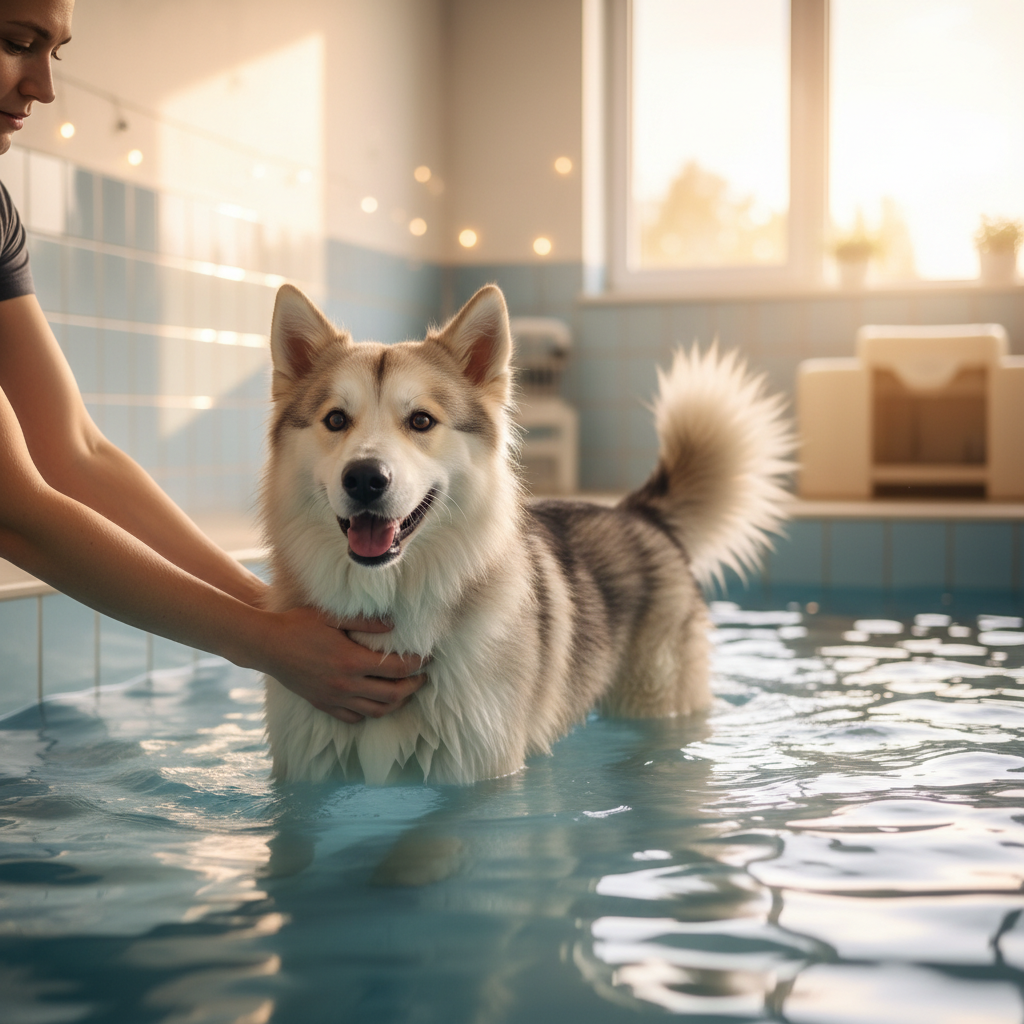
- Known orthopaedic conditions: dogs with dysplasia, cruciate issues, or arthritis benefit from a tailored programme designed by a veterinarian or a qualified canine rehabilitation professional.
- Persistent behavioural struggles: if restlessness, reactivity, or anxiety remain high despite consistent enrichment, a qualified positive-reinforcement trainer or accredited behaviour consultant can help.
- Fearful or rescue dogs: when handling itself triggers fear, professional support keeps progress within the dog's emotional comfort zone.
For region-specific guidance, the New Zealand Veterinary Association can help you locate accredited clinics, and Companion Animals New Zealand offers responsible-ownership resources alongside the national microchip register. Winter does not have to undo your dog's fitness or your shared routine. With a safe surface, a proper warm-up, a handful of positive-reinforcement games, and a steady six-week build, most dogs stay strong, balanced, and content through the wettest months of the year.
Frequently Asked Questions
How much indoor exercise does my dog need during a New Zealand winter? ↓
Are there any legal requirements I should keep in mind even when walks are limited? ↓
What flooring is safest for indoor conditioning in older Kiwi homes? ↓
When should I stop home exercises and see a vet? ↓

Mark Sullivan
Certified Professional Dog Trainer
Certified professional dog trainer — positive-reinforcement methods for every breed and behavioural challenge.
Content Disclosure
This article was created using state-of-the-art AI models with human editorial oversight. It is intended for informational and entertainment purposes only and does not constitute veterinary medical advice. Always consult a licensed veterinarian for your pet's specific health needs. Learn more about our process.