Pet Daycare & Social
Socialization is often misunderstood as simply exposing a dog to as many new friends as possible, but true social stability comes from positive, controlled interactions. As a certified trainer, I evaluate daycare environments not just by their amenities, but by their management of arousal levels and play styles. A well-run facility prioritizes structured rest periods and matches dogs by temperament rather than just size, ensuring that shy dogs build confidence while high-energy players learn appropriate boundaries.
Choosing the right social outlet for your pet requires understanding their unique body language and stress signals. Effective socialization is about quality over quantity; a few calm, positive greetings are far more valuable than an hour of chaotic running. On this page, I guide you through identifying safe play environments, recognizing the difference between healthy wrestling and bullying, and deciding if group care is the best fit for your companion's specific behavioral needs.


Evaluating Dog Daycare Outdoor Yards for Heat Safety
A thorough guide to assessing shade coverage, water station placement, surface temperatures, and staff ratios at dog daycare outdoor play yards in warm weather. Protect your dog from heat related illness with this professional evaluation framework.

How to Choose a Cat Daycare With Real Enrichment
Not all catteries offer genuine enrichment. Learn what UK cat owners should look for, from ISFM standards to licensing requirements, when choosing a daycare that respects feline welfare.

Prepare Your Dog for Its First Day at Daycare (UK)
A UK-specific guide to getting your dog ready for daycare, covering vaccination protocols, mandatory microchipping, temperament assessments, and seasonal advice tailored to British weather. Includes a printable checklist and answers to common questions from UK dog owners.
How to Evaluate Dog Daycare Play Groups in the UK
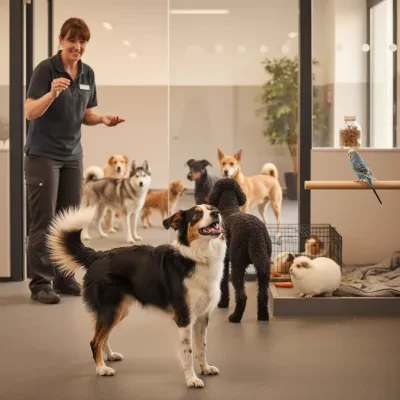
Choosing a dog daycare in the UK means understanding staffing ratios, play group management, and legal requirements under the Animal Welfare Act 2006. This guide covers what British dog owners should look for and what red flags to avoid.

Climate-Controlled vs. Outdoor Dog Daycare in Hot Climates: What to Look for When Temperatures Rise Above 30C
When temperatures exceed 30 degrees Celsius, the choice between climate-controlled and outdoor dog daycare shifts from a preference to a welfare decision. This guide sets out the standards to demand from each facility type, the breeds most at risk, and a practical checklist for making the right call.

Choosing a Pet Daycare in the UK: Red Flags and Green Flags on Your First Visit
A practical walkthrough guide for evaluating dog daycare facilities in the UK, covering licensing requirements under the Animal Welfare Act, staff qualifications, and seasonal considerations for the British climate. Learn exactly what to look for and what should send you straight to the exit.

Managing Overstimulation in Group Play: A Behaviourist's Guide
Learn to identify the subtle signs of arousal and stress in dog parks and daycare. Professional strategies for preventing trigger stacking and ensuring safe social interactions.

Dog Park Etiquette: Recognizing Healthy vs. Bullying Play Styles
A certified applied animal behaviourist's guide to distinguishing reciprocal play from predatory drift and bullying. Learn the critical body language signals that require immediate intervention.

Is Your Dog Ready for Group Play? A Behaviourist's Assessment Guide
Not every dog thrives in a daycare environment. Learn to recognize the subtle signs of Fear, Anxiety, and Stress (FAS) and determine if group play is truly beneficial for your companion.